03 Profile
Vital Signsby Bridgehead
Hansard to 9 November 2026 · 31,243 contributions indexed · 1,439 MPs & peers
All voices01 Voice · Academic · Health inequalities
Keith Payne: no photograph is held, so the academic plate is shown instead.
Academic
Keith Payne
Psychology and neuroscience professor, University of North Carolina Chapel Hill
1
0
Oct 2026Nov 2026to date
1
press citation on 1 topic since 22 Oct 2026 · last quoted 22 Oct 2026
02 Quoted on · 1 of 29 topics
Keith Payne: key facts
- Kind of voice
- Academic
- Role
- Psychology and neuroscience professor, University of North Carolina Chapel Hill
- Quoted on
- Health inequalities
- Tracked press citations
- 1
- Most recently quoted
- 22 Oct 2026
04 The signal · where Keith Payne sits on health inequalities
Ranked 23= of 100 voices quoted in the press on health inequalities, level with 77 others on 1 citation.
Ranked on press citations on this topic only, not across all topics. Joint positions share a rank.
- 1
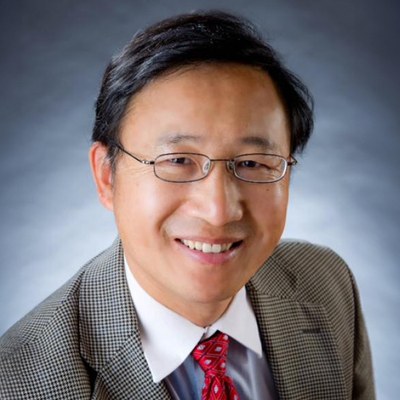 Guohua LiAcademicProfessor of Epidemiology and Mieczyslaw Finster Professor of Anesthesiology; founding director, Center for Injury Epidemiology and Prevention, Columbia University Mailman School of Public Health6
- 2=
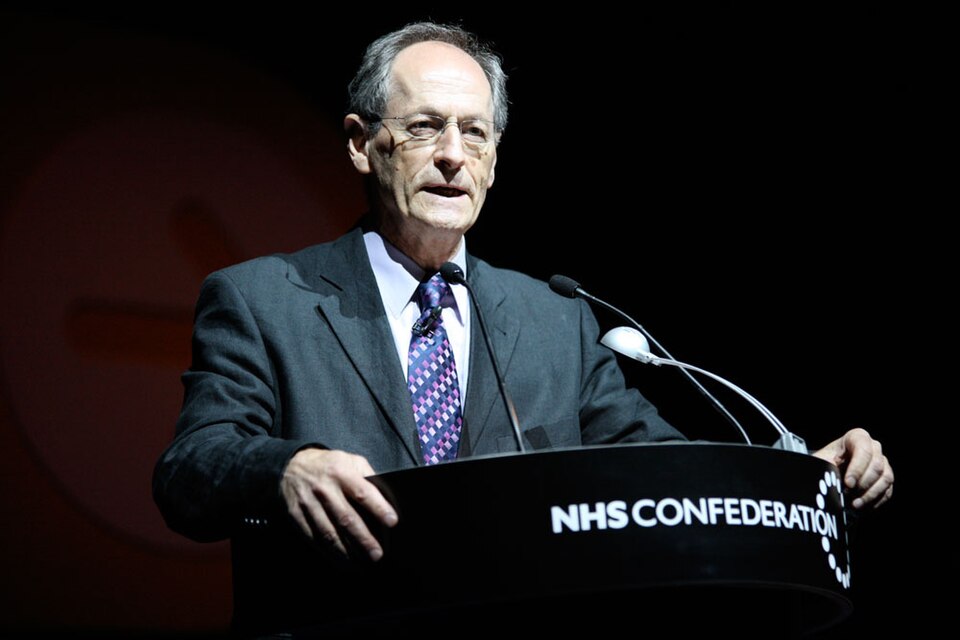 Sir Michael MarmotAcademicProfessor of Epidemiology and Director, UCL Institute of Health Equity, University College London5
- 2=
 Dr Amir KhanClinicianGP Partner, The Ridge Medical Practice5
- 23=Esme CullenAcademicM.D., M.P.H., chief health equity officer for national Medicaid and state programs at KP1
- 23=Shreya KangoviAcademicM.D., founder of Impact Care1
- 23=Keith PayneAcademicPsychology and neuroscience professor, University of North Carolina Chapel Hill1
- 23=Manuel GalvanAcademicPsychology professor, UC Berkeley1
- 23=Iain BuchanAcademicProfessor, University of Liverpool1
Showing the leaders and the ranks around 23=, of 100 voices · See every voice on the topic →
05 On the record · press
What Keith Payne has said
By outlet · linked articles
- ls.berkeley.edu1
Where Keith Payne has been quoted
- 01How the legacy of slavery shapes health disparities todayls.berkeley.edu · 22 Oct 2026
Verbatim
“Historical systems such as slavery created unequal institutions, policies and distributions of resources. They left Black Americans more likely to experience poverty, fewer educational opportunities, unsafe neighborhoods and other conditions that increase health risks.”
Related media coverage
Recent UK press coverage of their topics, not necessarily citing them directly.
Professors, researchers and think-tank analysts quoted on the strength of their research rather than a clinical role. Citations are counted by an automated scan of UK press coverage and may be incomplete. Roles, biographies and contact details are researched and human-reviewed before they appear here; anything not yet reviewed is simply absent rather than shown unverified. This profile was last updated on 10 Nov 2026. See the methodology for how this page is built, or email contact@bridgeheadcommunications.com to correct anything on it.