01
Local search and the map pack
Ranking when someone searches care homes near me, and owning the Google Business Profile that most private-pay enquiries start from.
Social Care · Care Home Marketing
Families now start the search for a care home online, often on a phone, often late at night. Digital marketing for care homes is about being found at that moment and answering the questions that turn a search into an enquiry.
The promise
Found late at night, chosen the next morning.
The decisive research happens on a phone, quietly, before anyone rings. Get your local search, profile and website right and you win the enquiry before a competitor is even considered.
On the record
A live feed of where our work has been showing up: real placements, real titles, real reach.
 604M reach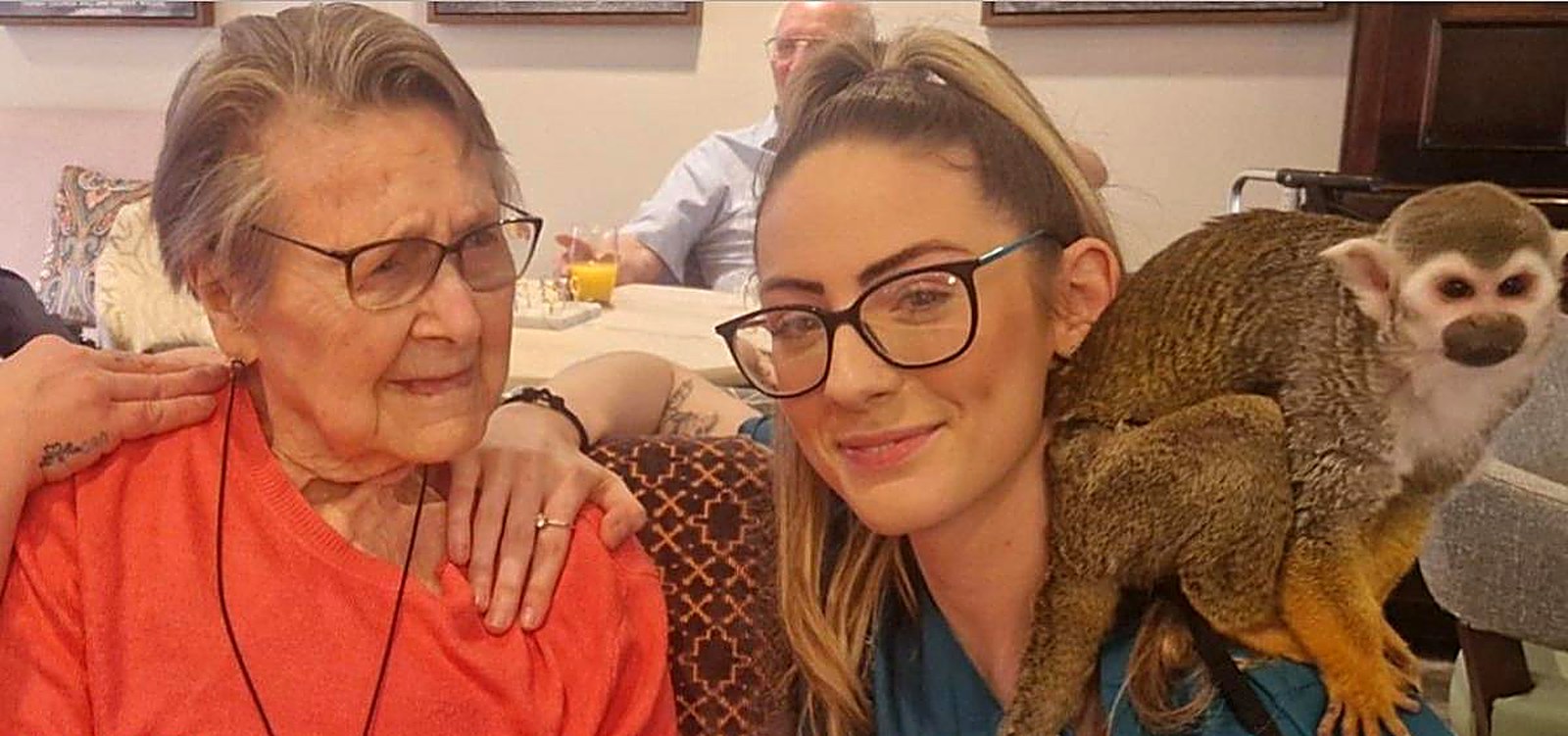
England · BBC
 83.7M readers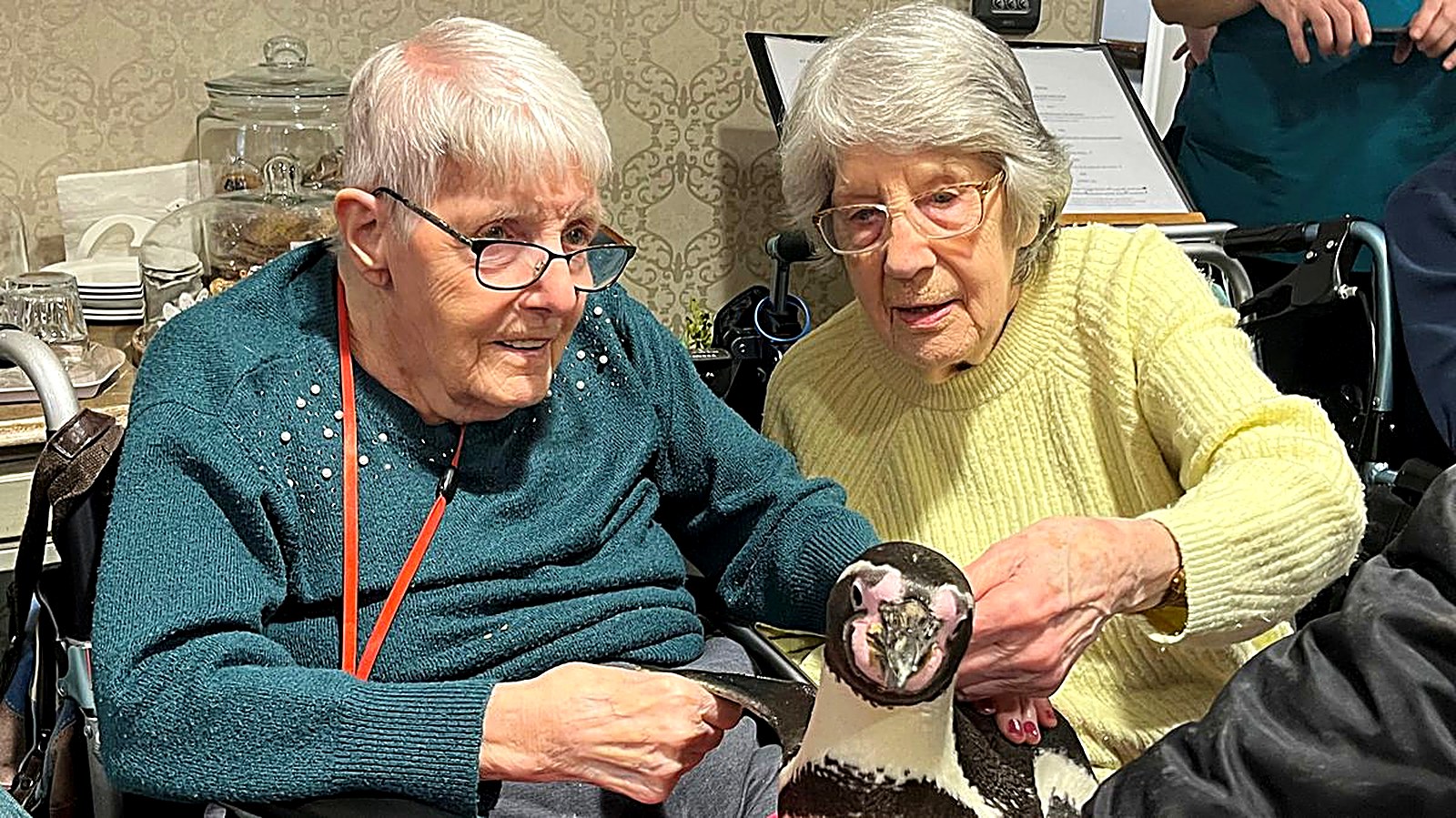
UK News · The Mirror
 25M reach
Social affairs · The Independent
 Syndicated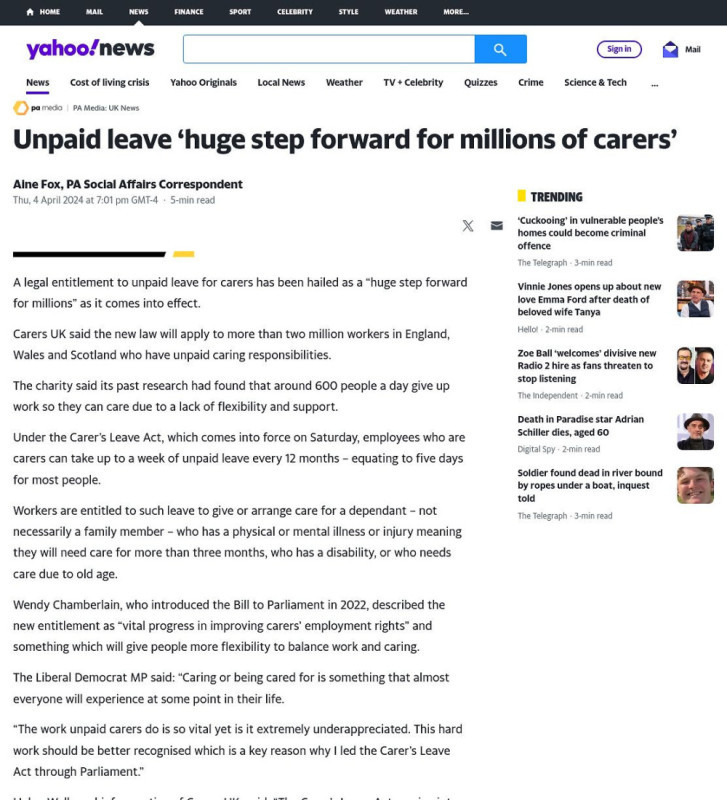
Social affairs · PA Media
New from Bridgehead
bamboo is our care home marketing software. It writes your Google and Meta campaigns from your CQC profile, hosts the landing pages, logs every enquiry and ranks you weekly against every comparable home nearby. Free to start.
01Win enquiries
Campaigns · Landing pages · Enquiry tracking
02Beat local rivals
Presence Score · Competitors · Media coverage
03Protect your name
Reviews · Reputation audit · Coverage books
04Get talked about
Press releases · Media database · Newsletter
05Be found
SEO audit · Answer engines · Care calendar
What it covers
Ranking when someone searches care homes near me, and owning the Google Business Profile that most private-pay enquiries start from.
Fees guidance, care types, the last CQC rating and an effortless enquiry path, so the traffic your other channels earn actually converts.
A steady review habit and quick replies, because a cautious family reads your reviews before they read your brochure.
Daily life, activities, staff and community, chosen to show warmth and standards, on the one or two platforms your families and referrers actually use, with a rhythm a small team can keep.
A clear, recorded consent process for residents and families, so the feed builds trust without ever putting a vulnerable person at risk.
Search and social advertising used surgically, on the terms and audiences that produce genuine enquiries, and switched off where they do not.
The definition
Digital marketing for care homes is the use of online channels, local search, Google Business Profile, the home's website, reviews and paid advertising, to reach families and case managers at the moment they are choosing a home, and to convert that attention into enquiries and move-ins. It is measured by cost per enquiry and occupancy, not by clicks or followers.
Care is a local, high-trust purchase, so the digital priorities differ from most sectors: the map pack and reviews matter more than a large ad budget, and the website earns its keep by answering fees, care types and regulatory questions clearly rather than by looking impressive.
Digital sits inside the wider care home marketing picture and set direction with a marketing plan. All of it sits within the full range of services we offer.
FAQs
It works best as reassurance and reputation, not lead generation: showing life in the home to families who already know you, and giving referrers something current to point to. Treat it as proof, not as a primary enquiry channel, and link it back to a website that converts and to your reviews.
Local search and the Google Business Profile first, then a website that answers real questions and makes enquiring easy, then reviews. Paid advertising is useful but secondary, and only when the organic foundations are in place.
Not always. Many homes fill beds on local search, reviews and referrals alone. Paid search earns its place where private-pay demand outstrips organic visibility, and should be judged strictly on cost per genuine enquiry.
By enquiries and cost per enquiry, then show-round and conversion rates through to occupancy. Traffic and impressions are only useful as leading indicators of those outcomes.
The foundations, profile, reviews and enquiry handling, are very manageable in-house with a clear plan. We build that plan with you and step in for the technical or paid work where specialist time pays for itself.
Keep exploring
Trust-building social content for providers.
ReadPR, policy and reputation for healthcare organisations.
ReadEarned media that moves healthcare audiences.
ReadThe living map of UK care technology.
ReadSpeak with us
Thirty minutes with a partner. We'll tell you whether we can help, what the work would look like, and what it's likely to cost, before either of us commits to anything.
