01
A story is about to break
A journalist is on the phone, a deadline is hours away, and what you say in the next conversation shapes everything that follows. We take the call with you.

When the story matters, we put the right narrative in the right titles, from the FT and The Times to BBC and ITV.
Start the conversation→When people call us
A journalist is on the phone, a deadline is hours away, and what you say in the next conversation shapes everything that follows. We take the call with you.
What people find when they look you up no longer reflects who you are. We work to correct, suppress and rebalance the page-one picture through legitimate means.
A safeguarding incident, a regulatory action, a leak or a legal dispute. We run the communications so you can run the response, holding line, stakeholders and media in step.
The immediate threat has passed, but the damage remains. We rebuild standing patiently and credibly, through accurate content, earned coverage and time.
On the record
A live feed of where our work has been showing up: real placements, real titles, real reach.
 27.3M readers
Profile · Business · Financial Times
 33.5M reach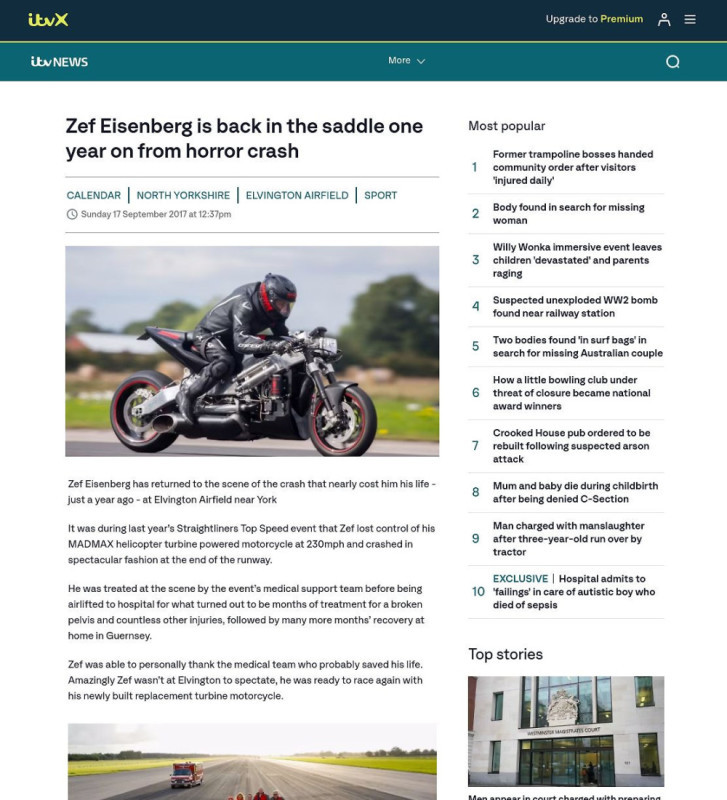
Feature · ITV
 604M reach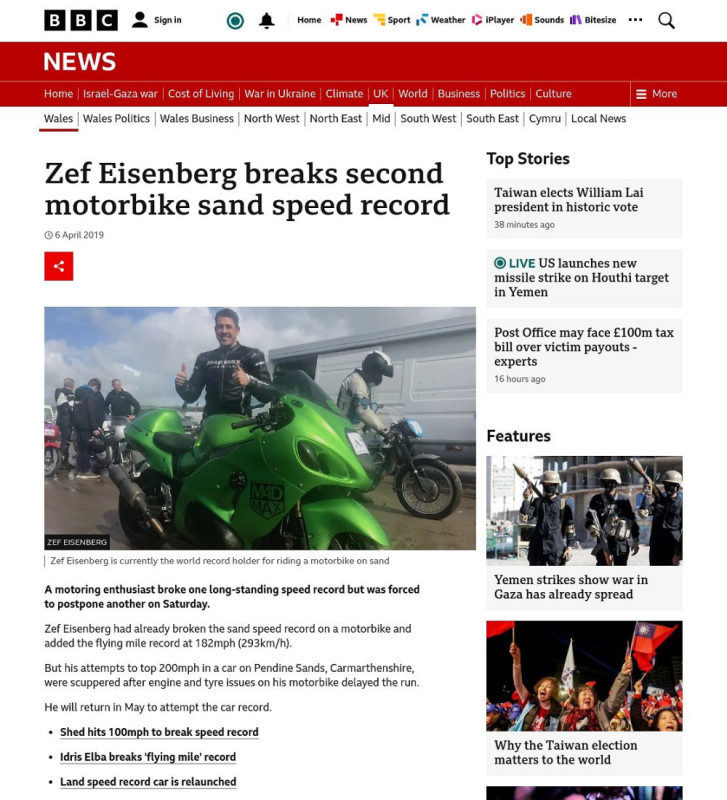
Sport · BBC
 375M reach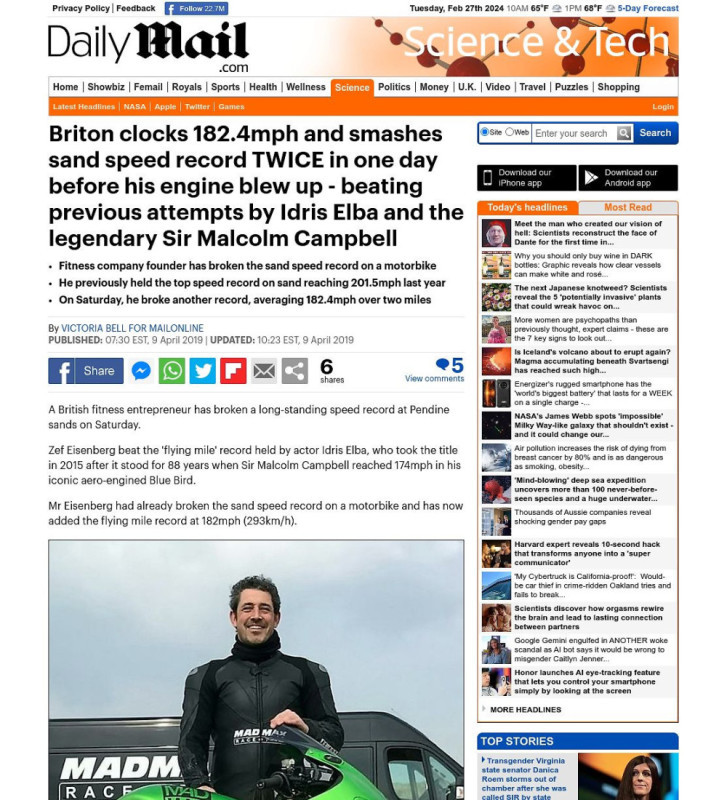
News · Daily Mail
 35.8M readers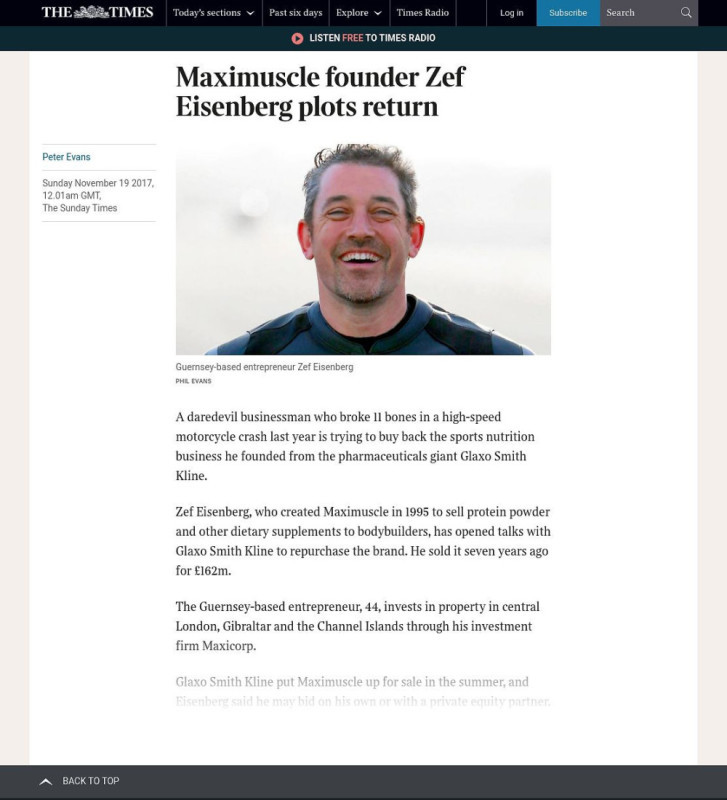
Business · The Times
How we work
We establish the facts, the exposure and the realistic outcomes fast, so the advice you get is honest rather than reassuring.
We stabilise the immediate threat: the media line, the stakeholders who need to hear from you first, and the content that needs to move.
We restore the picture over time, through accurate, earned and owned content that holds up the next time someone looks.
In a live crisis right now?
If a specific story, incident or regulatory action is live and the outcome is still movable, that is a crisis, and the clock matters. Our crisis communications team covers the first hour, the first day and the first week, across healthcare, social care, education and corporate sectors, out of hours included.
Crisis communications agency, UK →Discretion
The work we are proudest of is the work no one ever hears about.
Reputation work is handled by a small senior team under strict confidentiality. We do not name the individuals or organisations we protect, we do not trade on your situation, and discretion is the assumption from the first call, not a clause you have to ask for.
FAQs
It depends on what you are facing. A single search result is a defined piece of work; an active crisis or a sustained press campaign is a retained engagement. We will tell you honestly on the first call what is realistic, what it is likely to take, and what it will cost, before you commit to anything.
Sometimes, and we will be straight about when. We can pursue factual-accuracy and right-to-be-forgotten routes with publishers and search engines, and we can rebalance what people find through new, accurate content. We will never promise to make a true, lawful story disappear, because no honest agency can.
Yes. Most of our reputation work is never spoken about, by design. Engagements are handled by a small senior team under strict confidentiality, and discretion is the starting assumption, not an add-on.
Reputation management is the long game: what people find when they look you up, and what the record says about you over years. Crisis communications is the short one: the hours and days when a specific story, incident or regulatory action is live and the outcome is still movable. Most engagements start as the second and become the first. If you are in the middle of a live crisis right now, our crisis communications team can take the call immediately.
From our insights
Speak with us
Thirty minutes with a partner. We'll tell you whether we can help, what the work would look like, and what it's likely to cost, before either of us commits to anything.