Interview · Health & Social Care · Cura Insight
Damian Hinds on what the Budget left out of social care
In conversation with
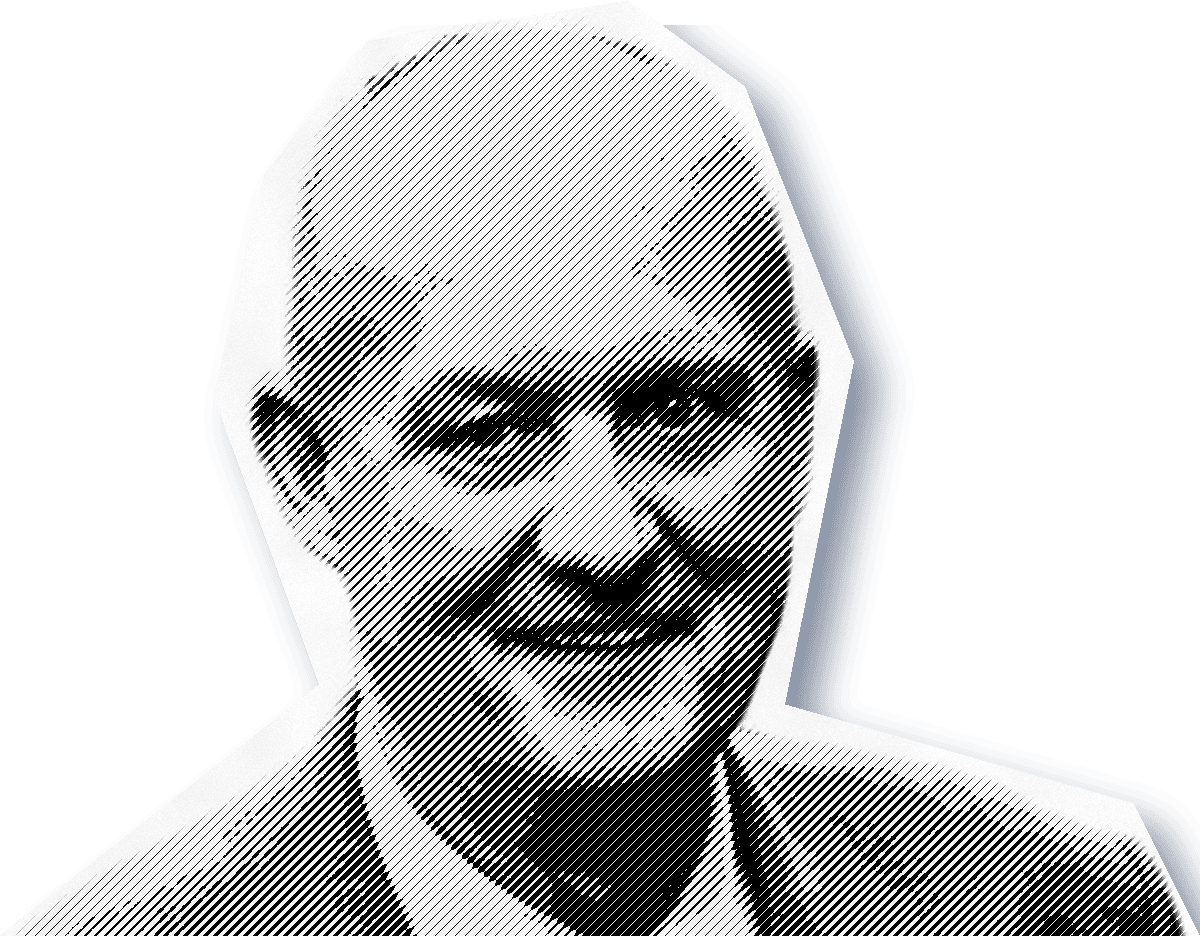
Damian Hinds, Shadow Secretary of State for Health and Social Care, The Conservative Party

Managing Director, Bridgehead Communications
Published 5 min read
Rt Hon Damian Hinds MP, Shadow Secretary of State for Health and Social Care, on the 28 October Budget: the capital cuts to DHSC, why he says the National Care Service is still unfunded, and a Carer’s Allowance taper that withdraws a pound for every pound earned.

Key findings
- Hinds says the Budget “did not give us much more flesh on the bone” on a National Care Service, and that the Chancellor “has so far ducked the difficult decisions on how a National Care Service will be paid for”.
- Hinds credits the Chancellor for announcing “more money for the NHS to cope with winter pressures”, but says “there are also big questions arising from the significantly increased cuts to DHSC’s capital budget”, adding: “So far we know little about which programmes will be affected.”
- On the Carer’s Allowance change, Hinds says “it is a 100%-withdrawal rate taper, i.e. a £1 reduction in the Allowance for every £1 earned over the threshold”, and that he is disappointed by “the delay in implementation”.
- Hinds says the Budget “offered little in the way of short-term support for local authorities” while social care takes an increasing share of council spending, and that employers saw “no respite” on employer National Insurance.
- Hinds says the government has “left a lot for the Casey Commission to figure out for itself, which is not what political leadership looks like”, with no guidance on the resources that will be available.
Rt Hon Damian Hinds MP, Shadow Secretary of State for Health and Social Care, gives his verdict on the 28 October Budget: what it did for providers, why he says the National Care Service is still unfunded, and where the Carer’s Allowance change falls short
Analysis by William Walter, managing director of Bridgehead Communications
The Budget of 28 October contained several measures that matter to care providers, and the verdict on them depends on who is giving it. Damian Hinds, the Shadow Health and Social Care Secretary, gave me his in the second part of this interview. Part one, published before the Budget, is here.
He speaks for the Opposition, so he has every reason to find gaps. Two of his criticisms rest on detail rather than party: little is yet known about which DHSC programmes the capital cuts will hit, and the Carer’s Allowance taper he describes withdraws a pound for every pound earned. His third, that the National Care Service is still unfunded, repeats what he said before the Budget. He still does not name a funding source of his own.
What the Budget did for the sector
Asked whether 28 October was a social care Budget, Hinds does not give a one-word answer. He starts with how a Budget gets read: the Chancellor’s headlines first, the journalists’ and economists’ analysis later the same day, then days of combing through hundreds of pages. “Things can look and feel rather different after those few days have passed compared to the moment when the Chancellor sits down at the end of his statement,” he says.
On the NHS he gives credit. The Chancellor “did announce more money for the NHS to cope with winter pressures”. But “there are also big questions arising from the significantly increased cuts to DHSC’s capital budget”, he says. “So far we know little about which programmes will be affected.”
On pay, he points to what he calls the Chancellor’s “apparent change of heart” on equalising minimum wage rates for adults of all ages, a move away from the Labour manifesto commitment. Rates rose by the same percentage, “so the convergence has, for now at least, stopped”. He adds that the percentage is “closer to price inflation than of late”.
Nor was there relief on employer National Insurance. Employers “still grappling with the effects of the earlier employer NICs rise and reduction in the secondary threshold saw no respite from this at the Budget”.
The other side of the ledger, Hinds says, is “the revenue needed to cover the costs of employing people”, and for this sector, “to a great extent”, that is about local authorities’ spending.
“At a time when social care accounts for an increasing share of local government spending in England,” he says, the Budget “offered little in the way of short-term support for local authorities”. For a care home, those two sides meet in the fee the council pays.
The National Care Service: no new answer
On the National Care Service, Hinds sees nothing new. The Budget “did not give us much more flesh on the bone”, he says, and “the situation remains essentially as it was set out at the Labour Party Conference”.
“The Chancellor has so far ducked the difficult decisions on how a National Care Service will be paid for,” he says. “The public deserves honesty about the difficult choices involved in new funding.”
He repeats his pre-Budget objection to using the triple lock. Changing it from 2030 “raises nowhere near enough money for what the Prime Minister has suggested a ‘National Care Service’ would include”. That leaves, in his words, “serious questions about how the gap will be covered”. He also holds that “launching a raid on pensioners is not the right way to address the problems facing the care sector”.
His remaining questions are about delivery. The sector will have “many other questions about the structure of the new system and how it will work”, he says, and about implementing pay and conditions reform, where he wants “evidence that the funding set aside for it will be sufficient”.
Carer’s Allowance: the cliff edge goes, the taper stays
Hinds welcomes the change for unpaid carers, with reservations. Removing the cliff edge “has been widely welcomed”, he says. “Cliff edges in benefits can exist because of a quest for simplicity, but can have the drawback of discouraging people from taking on more paid work. This one has been around for a long time.”
He is on familiar ground as a former Employment Minister. Universal Credit was, in his words, “in part about a drive to reduce cliff edges, such as the old ‘16 Hour Rule’”.
The principle, he says, is that “there should always be an incentive to work because you keep a reasonable proportion of any extra earnings”. The Carer’s Allowance change “does remove a particularly stand-out disincentive and some of the uncertainty in the system”.
Then comes the objection. He is disappointed by “the delay in implementation”, and by the design. “Although it is technically a taper system,” he says, “it is a 100%-withdrawal rate taper, i.e. a £1 reduction in the Allowance for every £1 earned over the threshold.”
A 100% taper means that, above the threshold, extra earnings leave a carer no better off until the allowance has gone. That ends the penalty for earning a few pounds over. It does not give the incentive Hinds says the system should.
The Casey Commission and the Conservative test
Hinds says the Budget leaves the Casey Commission with a problem of its own. “While having set out a number of high-level pledges for social care, the government has simultaneously left a lot for the Casey Commission to figure out for itself, which is not what political leadership looks like.”
It left the Commission “in an awkward position”, he says, expected to produce recommendations “without any guidance on the resources that will be available”.
Asked what a Conservative government would do differently, he gives a test rather than a policy. “Conservatives recognise that social care needs fundamental reform,” he says. “But reform must be backed by clear, costed and deliverable plans.”
The Budget, he says, “offered more warm words on social care, but little clarity on what Labour’s proposals will actually deliver for the British public or how they will be funded”. His closing line is aimed at the government: “Taxpayers deserve more than another set of promises; they deserve to know what will change, how much it will cost and what it will mean for them.”
This analysis was originally published in Care Home Professional.