Jersey · Speaking Activity
Who spoke the most
Every tracked States Assembly member, ranked by total words spoken in the Chamber — sourced from the Assembly’s own Official Report, not the voting record. Ranked by word count rather than number of speaking turns, so being interrupted often doesn’t outrank giving fewer, longer speeches. Covers 145 sittings of the 2022–2026 Assembly, published between 30 June 2022 and 9 May 2026.
Now monitoring
Who spoke the most
What’s dominated the chamber’s time, sourced from the Assembly’s own Official Report.
- 1
 Montfort TadierPrivileges and Procedures Committee Member2,057 turns · 130 sittings550,165
 - 2
 Robert James WardEducation and Lifelong Learning Minister1,566 turns · 128 sittings392,416
 - 3
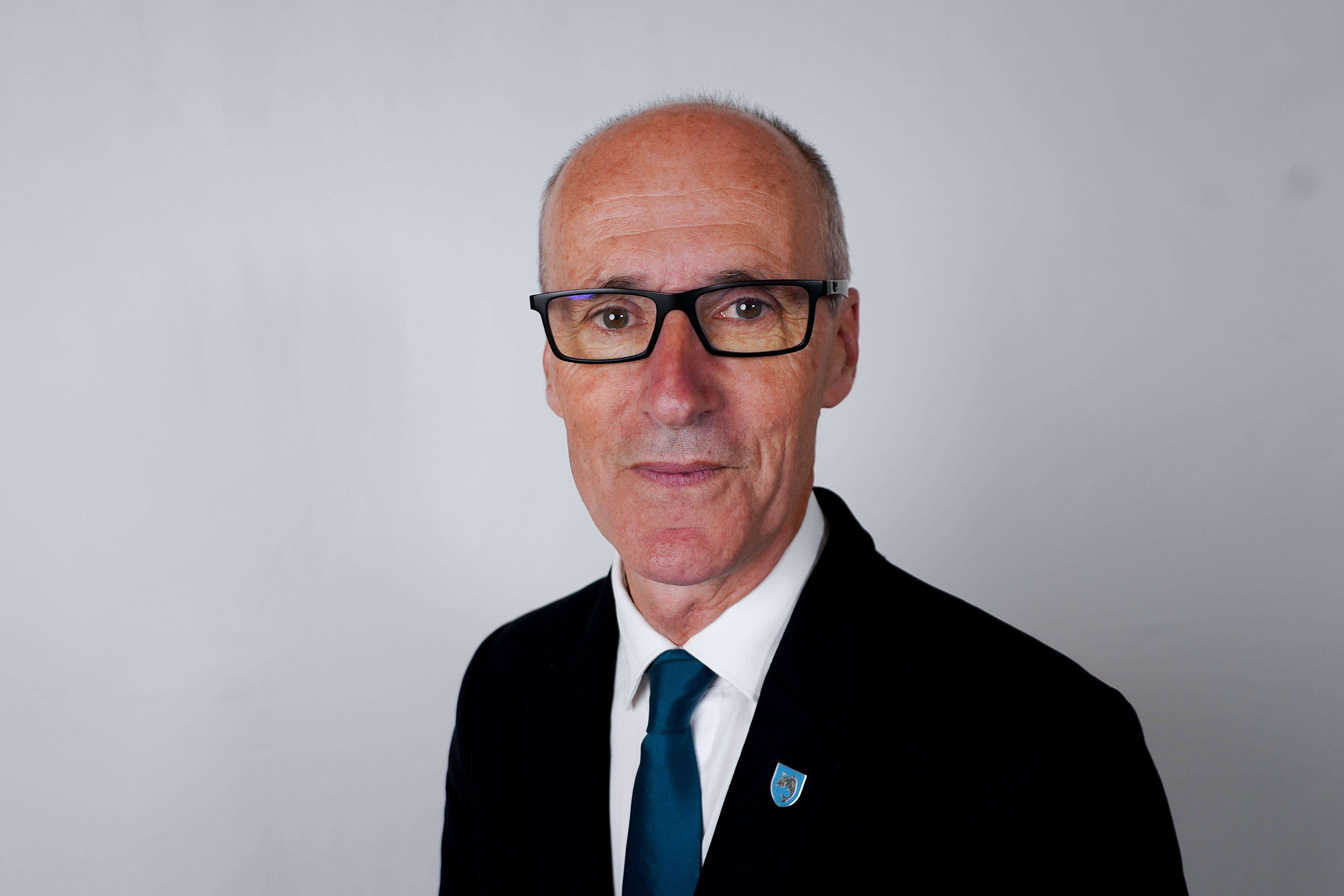 Jonathan RenoufFuture Hospital Review Panel Chair1,712 turns · 126 sittings372,141
 - 4
 Samuel Yves MézecAssistant Social Security Minister1,274 turns · 122 sittings365,368
 - 5
 Kirsten Francis MorelSustainable Economic Development Minister1,386 turns · 116 sittings291,832
 - 6
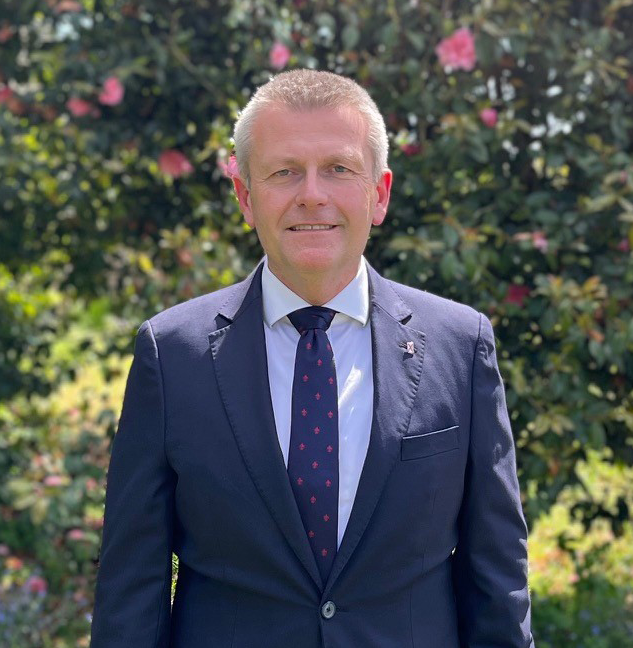 Philip Francis Cyril OzoufExternal Relations Minister1,174 turns · 82 sittings259,427
 - 7
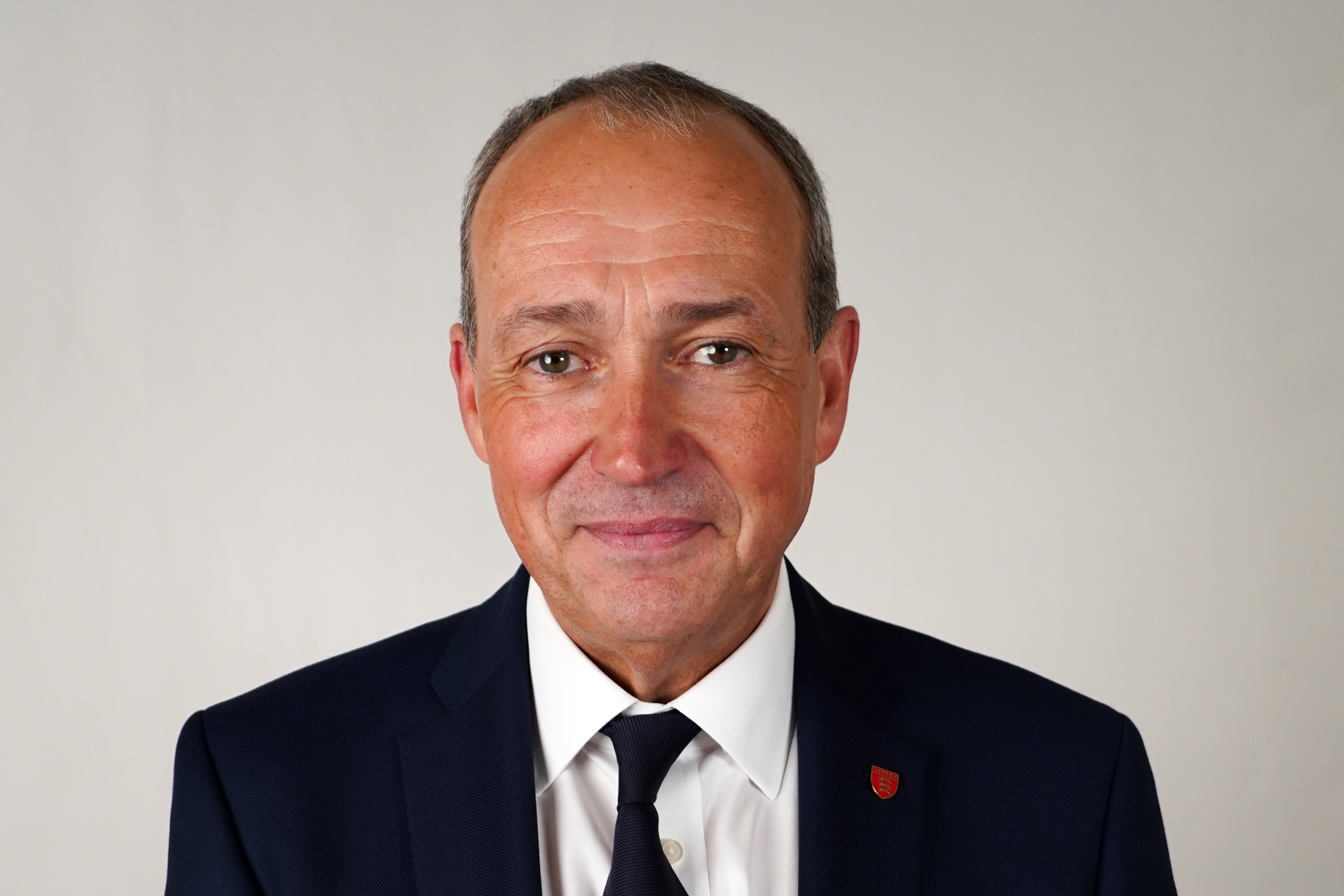 Lyndon John FarnhamStates Employment Board Chair1,761 turns · 124 sittings243,552
 - 8
 Elaine MillarAssistant External Relations Minister1,184 turns · 120 sittings238,085
 - 9
 Mary-Rose (Moz) ScottAssistant External Relations Minister1,182 turns · 126 sittings223,699
 - 10
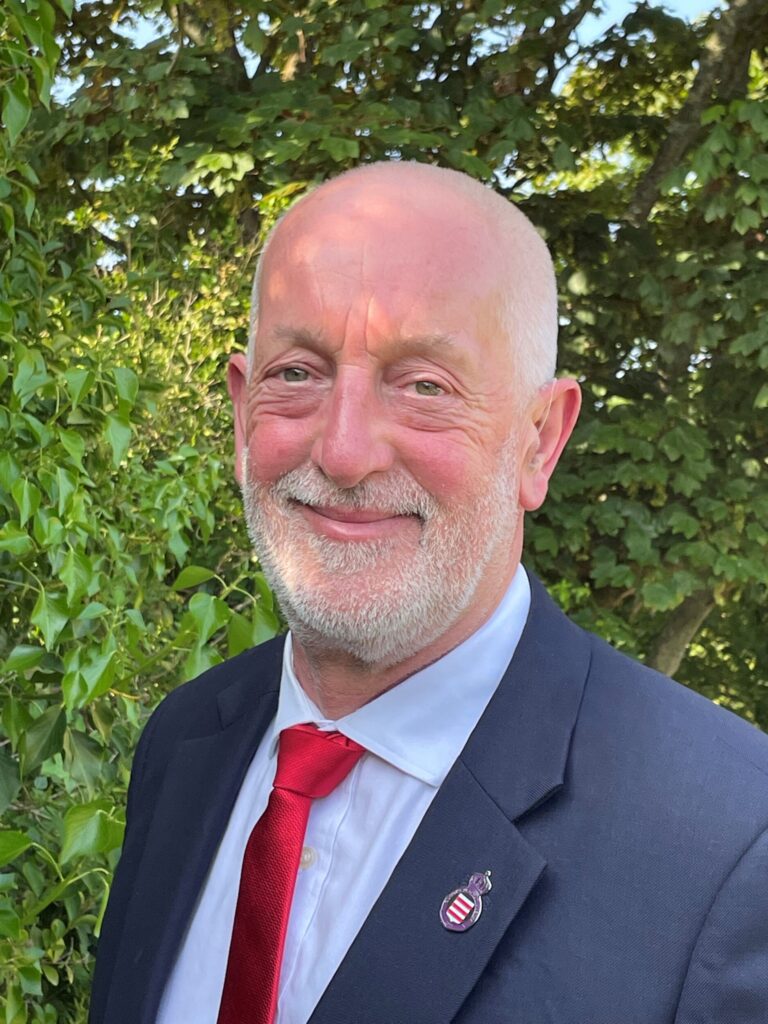 Stephen George LuceEnvironment Minister866 turns · 111 sittings190,010
 - 11
 Ian Joseph GorstAssistant Treasury & Resources Minister828 turns · 98 sittings184,427
 - 12
 Inna GardinerScrutiny Liaison Committee President1,130 turns · 111 sittings175,337
 - 13
 Hilary Louise JeuneOffshore Wind Review Panel Member912 turns · 107 sittings173,068
 - 14
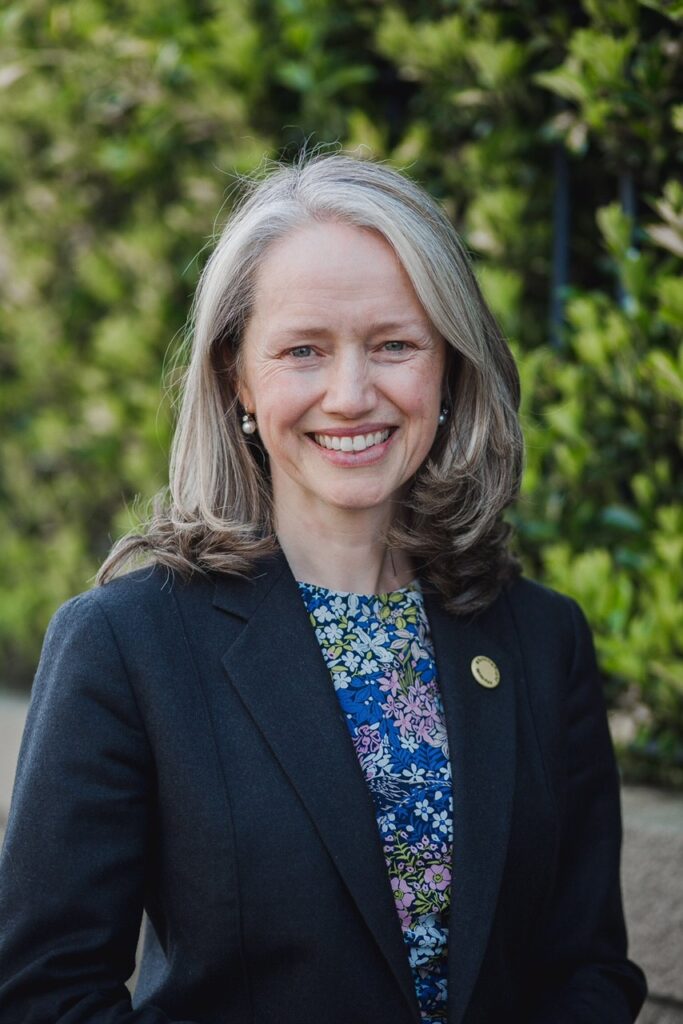 Kristina Louise MoorePrivileges and Procedures Committee Member1,207 turns · 100 sittings167,002
 - 15
 Louise Mary Catherine DoubletHealth and Social Security Scrutiny Panel Chair681 turns · 100 sittings158,347
 - 16
 Alex Frederick CurtisFuture Hospital Review Panel Member643 turns · 114 sittings146,692
 - 17
 Thomas John Albert BinetDeputy Chief Minister1,168 turns · 93 sittings140,025
 - 18
 Max Brennan AndrewsEconomic and International Affairs Scrutiny Panel Member490 turns · 100 sittings128,021
 - 19
 Lyndsay Victoria FelthamSocial Security Minister866 turns · 104 sittings123,985
 - 20
 David James WarrPublic Accounts Committee Member772 turns · 114 sittings118,313
 - 21
 Thomas Anthony ColesEnvironment, Housing and Infrastructure Scrutiny Panel Member429 turns · 95 sittings115,084
 - 22
 Helen Mary MilesChildren, Education and Home Affairs Scrutiny Panel Member559 turns · 93 sittings113,234
 - 23
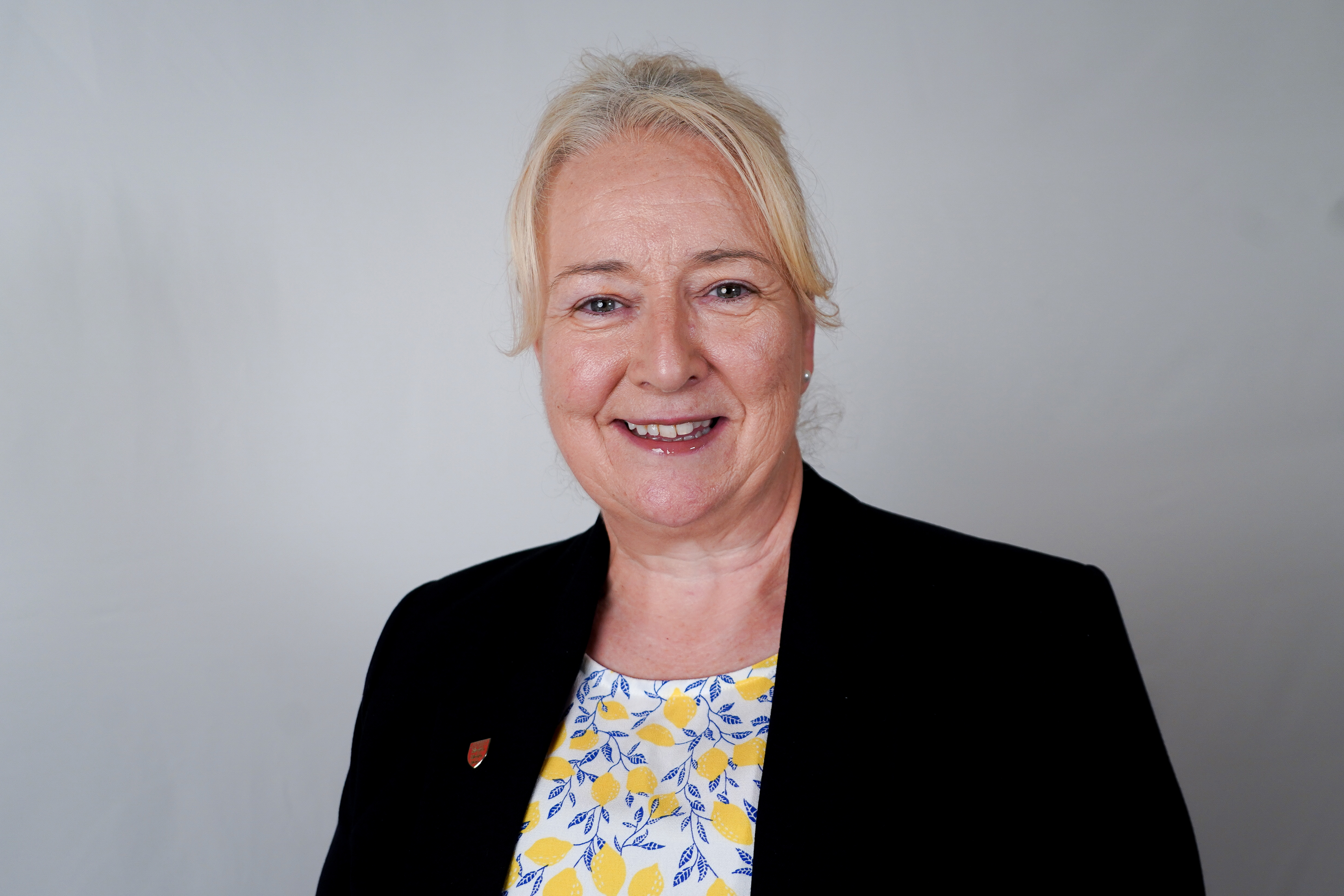 Karen Margaret WilsonHospital Review Panel Member691 turns · 97 sittings112,468
 - 24
 Andrew Nicholas JehanAssistant Sustainable Economic Development Minister726 turns · 97 sittings108,147
 - 25
 Mary Rose Le HegaratJustice and Home Affairs Minister513 turns · 85 sittings88,698
 - 26
 Raluca Stefana KovacsPublic Accounts Committee Member393 turns · 104 sittings88,669
 - 27
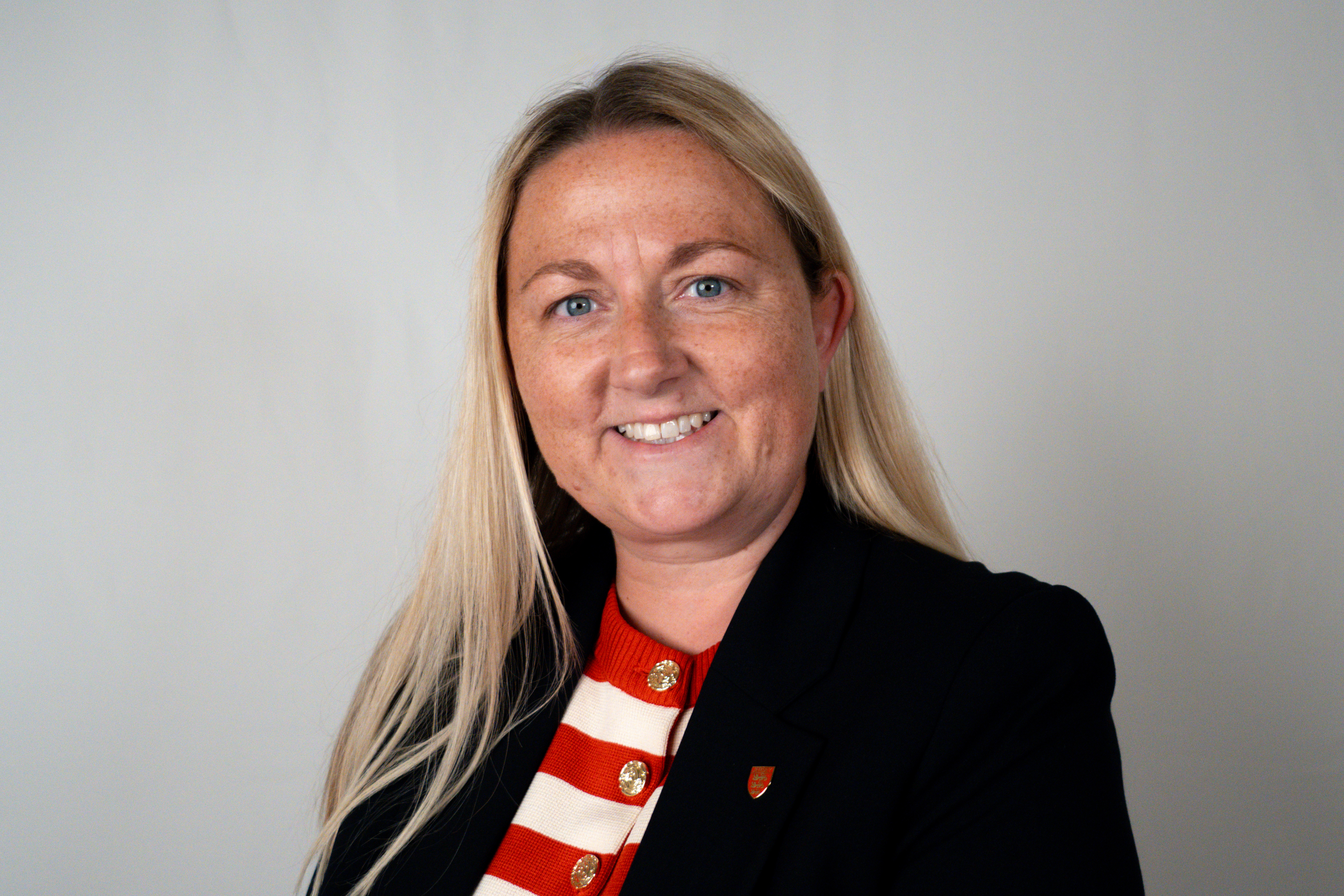 Lucy Kate Frances StephensonDiversity Forum Chair463 turns · 78 sittings85,818
 - 28
 Sir Philip Martin BailhacheHealth and Social Security Scrutiny Panel Member283 turns · 82 sittings70,020
 - 29
 Karen Elizabeth Shenton-StoneHealth and Social Security Scrutiny Panel Member377 turns · 100 sittings67,822
 - 30
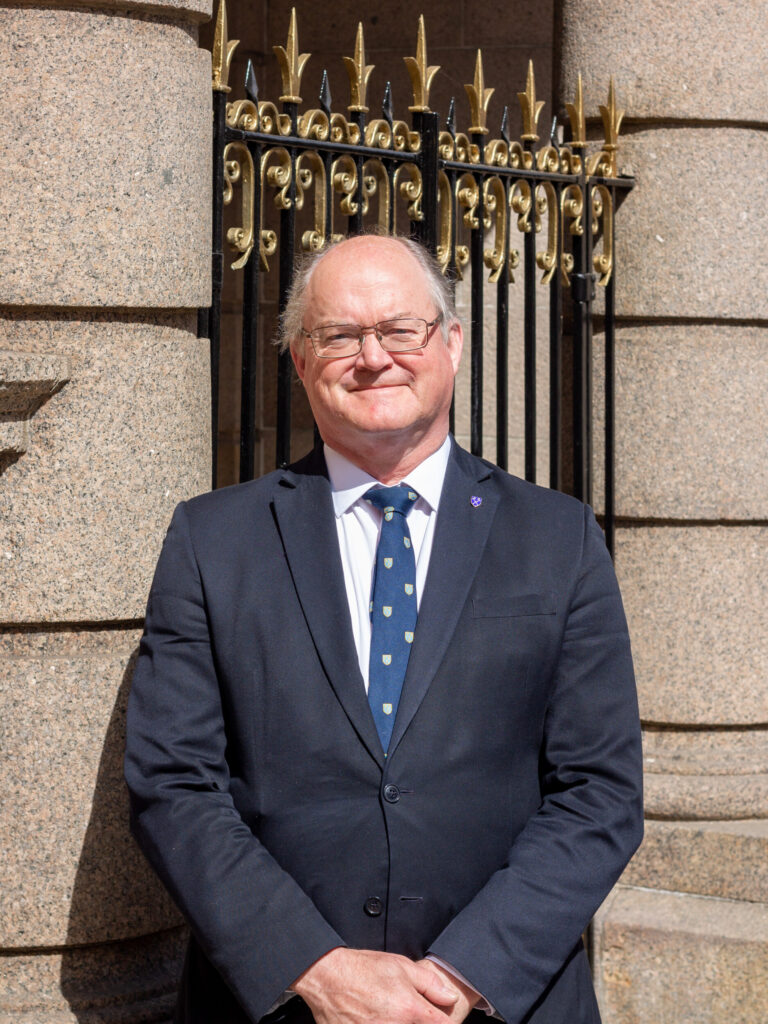 Alan Simon CrowcroftAssistant Sustainable Economic Development Minister222 turns · 70 sittings63,203
 - 31
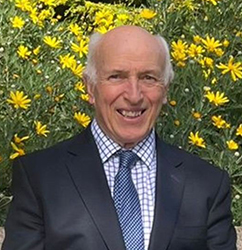 Michael Keith JacksonPrivileges and Procedures Committee Member470 turns · 107 sittings58,723
 - 32
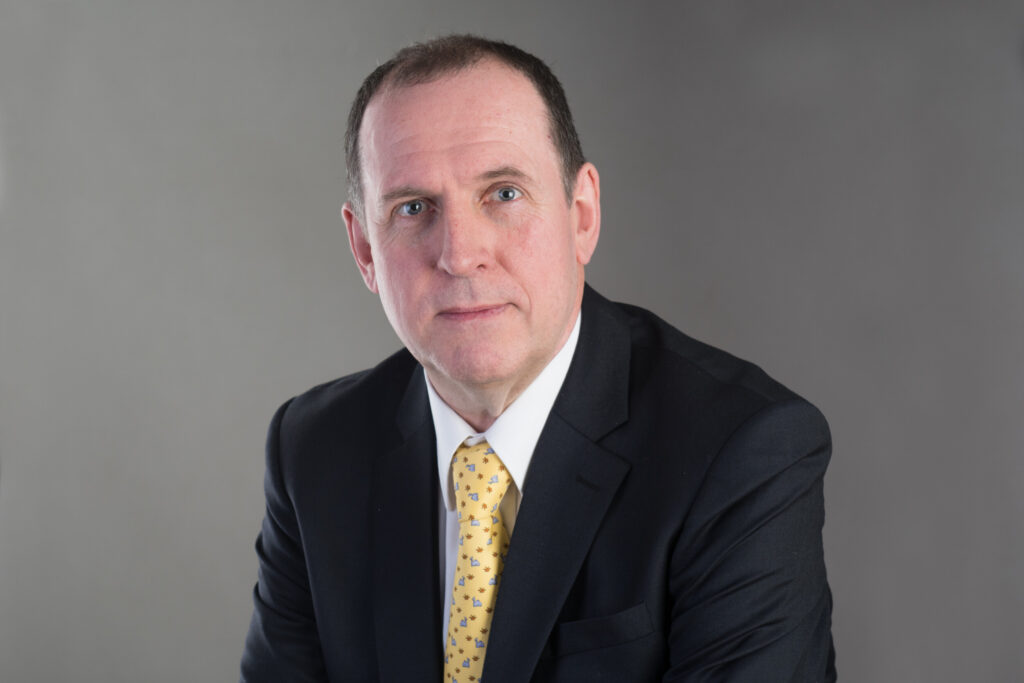 Stephen Morrison AhierPrivileges and Procedures Committee Chair426 turns · 79 sittings54,682
 - 33
 Geoffrey Peter SouthernEconomic and International Affairs Scrutiny Panel Member574 turns · 81 sittings53,419
 - 34
 Malcolm Ross FereyPrivileges and Procedures Committee Member249 turns · 81 sittings44,686
 - 35
 Richard Percy VibertAssistant Education and Lifelong Learning Minister318 turns · 51 sittings42,967
 - 36
 Andrea HowellAssistant Health & Social Services Minister371 turns · 99 sittings42,550
 - 37
 Carina Soares AlvesAssistant Education and Lifelong Learning Minister200 turns · 64 sittings41,383
 - 38
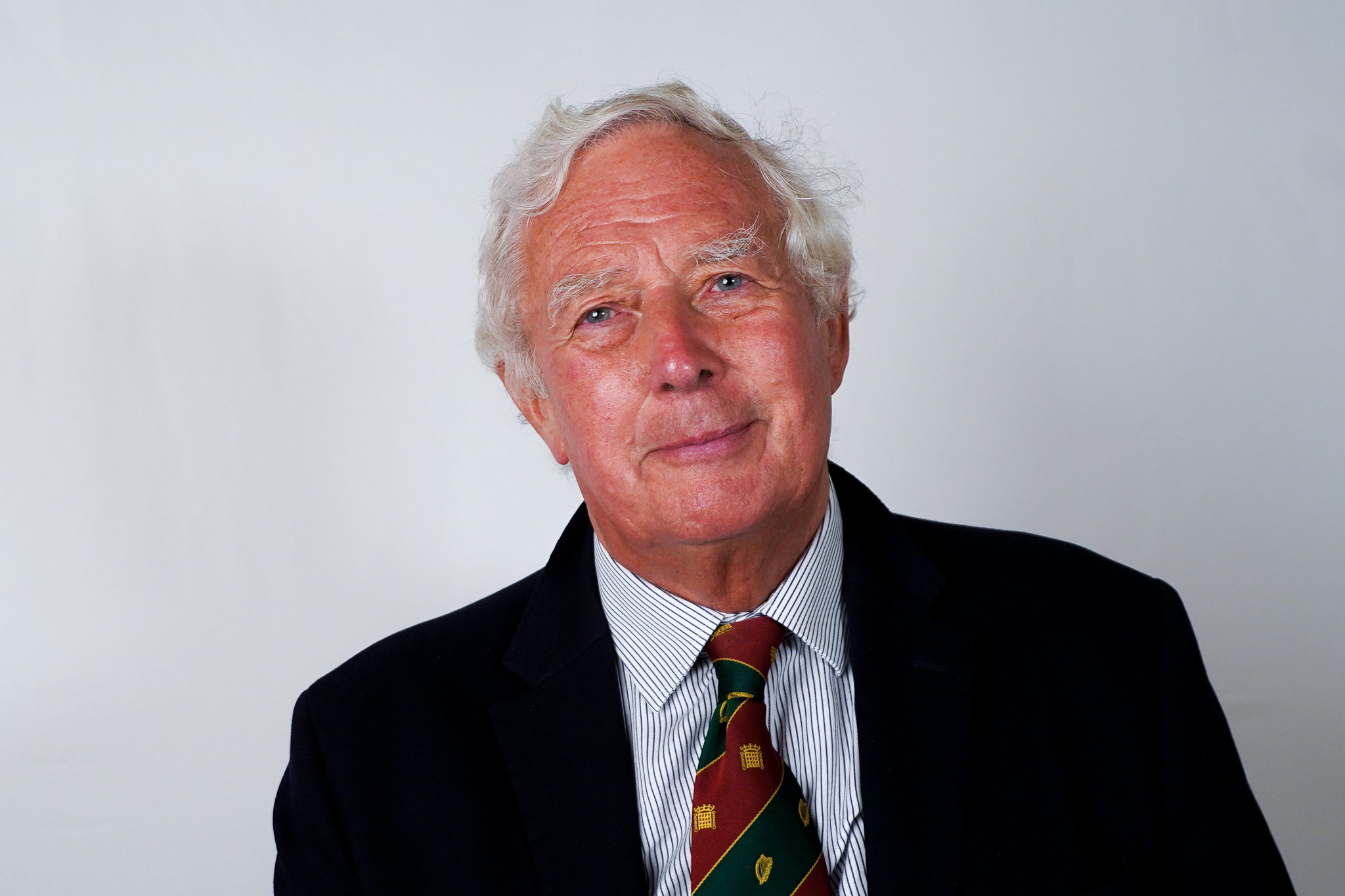 Robert David JohnsonOffshore Wind Review Panel Member186 turns · 94 sittings38,973
 - 39
 Catherine Dolores CurtisDisability Strategy Advisory Group Member202 turns · 45 sittings33,471
 - 40
 Barbara WardAssistant Health & Social Services Minister127 turns · 64 sittings31,195
 - 41
 Kevin Charles LewisPlanning Committee Member227 turns · 89 sittings25,763
 - 42
 Carolyn Fiona LabeyAssistant External Relations Minister188 turns · 47 sittings22,785
 - 43
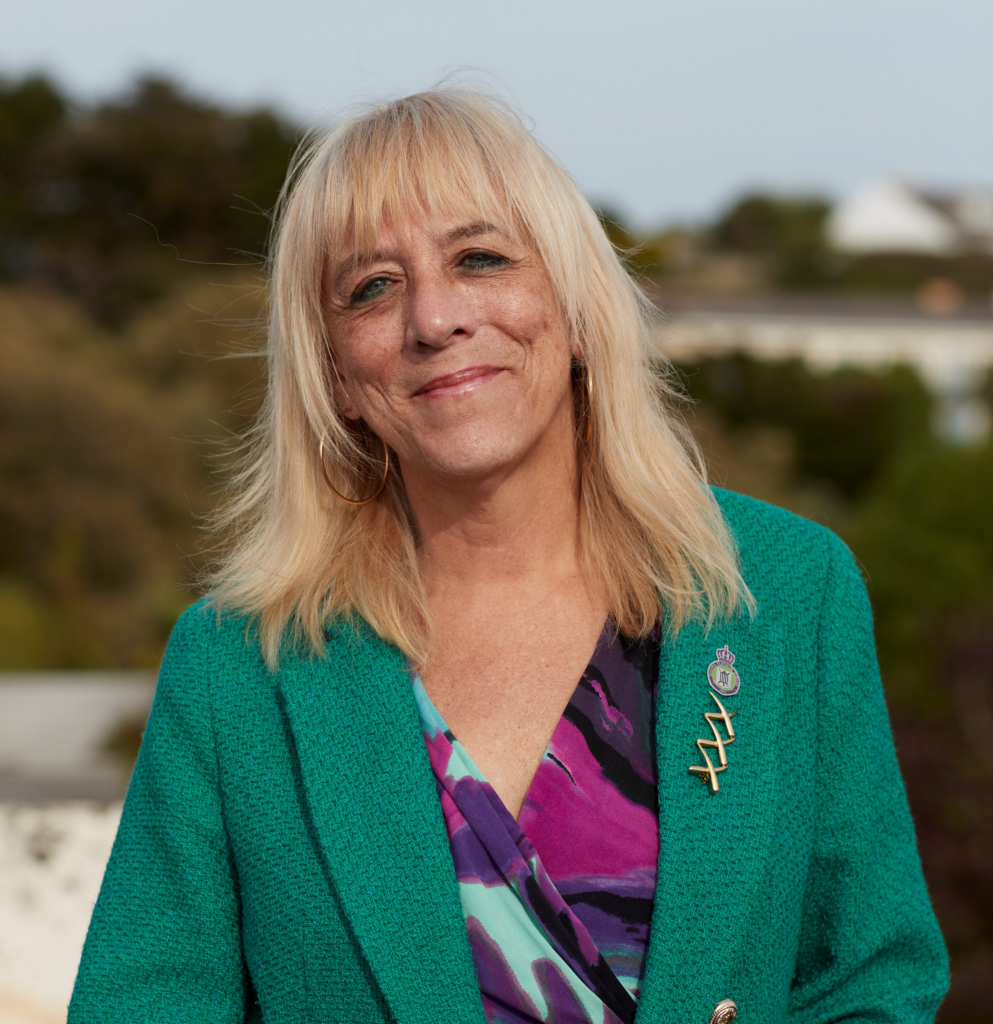 Deidre Wendy MezbourianPlanning Committee Member199 turns · 55 sittings22,551
 - 44
 Beatriz Borges de Sousa Vaz Moreno PoréeEconomic and International Affairs Scrutiny Panel Member120 turns · 47 sittings15,083
 - 45
 Philip Bond Le SueurPlanning Committee Chair94 turns · 46 sittings13,540
 - 46
 Marcus O'Donnel TroyFuture Hospital Review Panel Member99 turns · 47 sittings13,068
 - 47
 Mark Anthony LabeyPlanning Committee Member74 turns · 49 sittings11,694
 - 48
 Rosemary Esther BinetStates Employment Board Member25 turns · 17 sittings2,320
 - 49
 Richard Anthony Kingston HoneycombePlanning Committee Member18 turns · 17 sittings1,784
Words per sitting over time
Official Report · per sittingHow the ranking works
Ranked by total words spoken, not number of speaking turns, so a member interrupted often (many short turns) doesn’t outrank one giving fewer, longer speeches. This measures chamber airtime only — it says nothing about whether a member delivered on their promises. See promise delivery rankings.
Debate analysis
A full read of the busiest debates this term — what was argued, by whom, and verbatim lines from the chamber floor — checked against the transcript, never paraphrased. Expand a debate below to read it.
The busiest single agenda item so far has been “Oral Questions” on 18 Mar 2025, which drew 32,896 words from 33 members — 1.1× the next busiest, “Draft Residential Tenancy (Jersey) Amendment Law 202- (P.24/2025)” (9 Sept 2025). Debates with a full analysis can be expanded below.
- 1
Oral Questions
32,896w
18 Mar 2025 · 33 members
This session was an extended Oral Questions sitting of the Jersey States Assembly covering a wide range of policy areas through written questions, oral questions with supplementaries, and procedural exchanges. Three oral questions generated the most substantial debate: water quality and PFAS contamination, teacher retention, and property transaction protections for buyers. A further exchange on planning guidance for large homes, Fort Regent's future, the frozen Russian assets question, and the Highlands College booking cancellation also produced notable exchanges.
The PFAS water contamination question, asked by Deputy K.L. Moore and Deputy I. Gardiner among others, dominated early proceedings. The Minister for the Environment, Deputy Luce, explained that an independent scientific panel was being tasked with prioritising water regulation and treatment options, with an interim report expected in the summer. He confirmed that Jersey currently meets EU and UK guidance levels but acknowledged new, more stringent standards may be required, with infrastructure costs potentially reaching around £20 million per treatment works. Deputy Moore pressed the Minister on whether he could commit to a specific timeframe and confirm he had sufficient resource; Deputy Luce stopped short of a firm commitment, noting that any new treatment works would take years to build and that discussions about funding with Jersey Water, a private company in which the Government holds a majority share, had only just begun. Deputy Tadier raised whether compensation might eventually be considered for those affected; the Minister said he had not yet had those conversations. Deputy Renouf asked whether PFAS remediation might be included in Project Breakwater, the long-term infrastructure planning process; the Minister said money was a secondary consideration to getting the water quality right, but acknowledged the question of who pays was yet to be resolved.
The question on teachers leaving Jersey, put by Deputy Wilson, produced a lengthy exchange with the Minister for Education, Deputy Ward. He presented statistics showing a leaving rate of 4.9 per cent, lower than the general Government rate, but acknowledged workload, cost of living, and housing as significant factors. Deputy Warr challenged the Minister on a failure to deliver promised terms and conditions changes by September 2024, and Deputy Moore argued that work on terms and conditions had been on track before the change of government and that it was funding, not process, that was now the obstacle. Deputy Ward disputed this account, maintaining that he had inherited an unresolved pay dispute and that a three-year pay settlement had since been achieved. He expressed support for measures such as GST removal from food and rent regulation to ease cost-of-living pressures more broadly, while acknowledging these had not been supported by others in the Assembly. Deputy Gardiner raised the absence of a permanent director of Education; the Minister said he did not believe additional management layers were the answer, and pointed to seconded headteachers as a mechanism to improve the link between schools and the department. The debate was repeatedly brought back by the Deputy Bailiff to the original question of why teachers were resigning.
The question on property buyer protections, asked by Deputy Andrews, saw the Minister for Housing, Deputy Mézec, acknowledge that there are currently very few protections for either party when a transaction fails before reaching the Royal Court. He referenced pre-sale agreements and standard seller questionnaires as existing tools but said a comprehensive overhaul of the process was not among his current priorities. The Connétable of St. Mary drew attention to a 2018 Residential Property Transactions Review Panel recommendation directed at the Chief Minister, and Deputy Mézec said he was happy to raise it with the Chief Minister again. Deputy Tadier suggested a cross-ministerial working group; the Minister offered encouragement without a formal commitment. A separate but related exchange on the buy-to-let stamp duty surcharge saw Deputy Mézec defend the existing 3 per cent surcharge, citing statistics showing advertised rents were slightly falling and that the market was in a period of correction, while Deputy Ozouf pressed him on anecdotal evidence of rental scarcity and rising rents within tenancies.
The planning guidance question on large homes produced a sharp exchange in which Deputy Renouf and others challenged Deputy Luce's decision to remove guidance limiting new residential builds above 3,000 square feet without public consultation, after the review was initiated at the request of the Head of High Value Residency Engagement on behalf of three clients. The Minister maintained the guidance had made no practical difference, that existing Island Plan policies provided sufficient control, and that reducing red tape was appropriate. Deputy Stephenson asked whether the Minister had considered how it might appear to change planning guidance at the request of high-net-worth individuals; the Minister repeatedly maintained he had received no direct contact from those individuals. The debate on this point did not reach a formal resolution within the session.
This record does not show how the oral questions session formally concluded other than the Deputy Bailiff confirming that two hours and twenty minutes had elapsed and that written responses would be required for outstanding questions.
“When I came to office in this role I was extremely disappointed that a letter had been sent to all teaching staff effectively dividing them into individuals and asked them to accept a pay deal or a letter, which is Elon Musk style, saying if you do not reply then it is seen as an acceptance. I would not put my name to a letter like that and very quickly we settled the pay deal.”
“The short answer to the first part is that there are not really many protections for either party when something happens at the last minute causing the transaction to fail before it reaches court.”
“I regard the period that we are in as a period of market correction because the situation that we were in just a few years ago was clearly unsustainable because prices were rising, incredible rates that were simply unsustainable and, frankly, terrifying for young people who were looking at the Island and trying to plot what their future would be, seeing prices become more and more unaffordable.”
- 2
Draft Residential Tenancy (Jersey) Amendment Law 202- (P.24/2025)
28,995w
9 Sept 2025 · 32 members
The debate concerned the Draft Residential Tenancy (Jersey) Amendment Law, brought by the Minister for Housing, Deputy Mézec, which proposed significant reforms to the 2011 Residential Tenancy Law. The core proposals included moving to periodic tenancies as the default after an initial fixed term, introducing a rent stabilisation mechanism allowing tenants to appeal inflationary rent increases to an independent rent tribunal, and replacing the existing blanket notice regime with a set of statutory grounds for ending a tenancy, accompanied by varying notice periods. The debate was formally the second occasion on which the principles had come before the Assembly, the first having been adjourned so that the Environment, Housing and Infrastructure Scrutiny Panel could conduct a detailed review. Before substantive argument began, a large number of Members declared interests as landlords, tenants, or both.
The Minister opened at length, defending the law as a passive framework that would impose no new forms, fees, or permissions, and that would operate only to the detriment of bad landlords and bad tenants. He announced acceptance of two amendments: one from Deputy Renouf dropping a proposed 5 per cent ceiling from the rent stabilisation cap in favour of a pure RPI limit, and one from the Scrutiny Panel introducing a new no-grounds notice period of 12 months. He attacked what he described as deliberate misinformation from a landlord lobby group, specifically disputing claims that the law was rushed, that it made vacant possession harder, and that an honest mistake in issuing notice could result in a £10,000 fine. He illustrated the human cost of the current law with examples of constituents he said he had been powerless to help. Deputy Jeune, as Scrutiny Panel chair, confirmed that the panel supported the principles while identifying areas needing improvement, emphasising that the panel had found real merit in reform and had engaged an independent senior barrister and received over 300 survey responses. She distanced the panel's work from media characterisations of its amendments as wrecking measures. Deputy R.J. Ward, Deputy C.D. Curtis, Deputy Doublet, Deputy Tadier, Deputy Kovacs, Deputy Renouf, and the Connétable of St. Mary all spoke in favour of the principles, variously emphasising the impact of housing insecurity on young people, families, children, the wider economy, and the Island's ability to attract and retain workers.
Opposition came from several directions. Deputy Barbara Ward argued that existing law was adequate, that evidence of revenge evictions was minimal given the small number of court cases, and that the proposals risked economic harm at a time of global volatility, citing figures from the Fiscal Policy Panel. Deputy Bailhache contended that the law was not inadequate but suffered from a lack of accessible guidance and an absence of data, and that the Minister had not established an evidence base sufficient to justify the proposed regulatory framework. Deputy Gorst argued that rent control measures, whatever their precise form, historically reduced rental supply, pointing to Scotland, Ireland, and Jersey's own experience of house price controls, and warned of unintended economic consequences highlighted in an economic impact assessment he said had not been shared with Members or Scrutiny. Deputy Scott raised the absence of a commissioned economic impact assessment and argued the proposals were overly complex and had been developed in a silo without agreed problem definitions. Deputies Wilson and Millar expressed concern that a notional RPI cap could become a floor, effectively making annual increases the norm, and questioned whether the law as drafted struck a genuine balance. The Connétable of St. Peter and Deputy Ahier also opposed the principles, the latter suggesting the proposals reflected a Reform Jersey ideology aimed at market manipulation and discouraging landlord investment. Deputy A.F. Curtis, a Scrutiny Panel member, said he would support the principles but intended to oppose specific articles, and highlighted the policy choice dimension of moving to forced periodic tenancies.
The central disagreements lay in three areas: whether a genuine problem of revenge evictions and insecure tenancies existed at a scale warranting legislative intervention; whether rent stabilisation measures would benefit or harm tenants by reducing supply; and whether the mechanisms proposed were proportionate or constituted excessive state regulation of private contractual relations. Supporters pointed to survey evidence, charity testimony, and the Scrutiny Panel's own findings; opponents repeatedly challenged the absence of hard statistical data and cited comparative jurisdictions. The Deputy Bailiff announced that the principles had been adopted following a recorded vote, though the precise numbers were not stated in the transcript.
“This regime is exclusively to the benefit of good landlords and good tenants, and exclusively to the disbenefit of bad landlords and bad tenants.”
“The evidence sought demonstrates there is little or no evidence to claim there are significant numbers of revenge evictions. This clear lack of evidence purports to using a sledgehammer in my view, a sledgehammer to crack a nut and go over the top.”
“He does not really understand what the problems are, but he has convinced himself that the solution is more controls. Landlords and tenants should be told what they can and cannot do, more regulatory bureaucracy should be established in the shape of a rent tribunal and rules governing what landlords can charge. That is not, in my view, the right direction.”
“Tenants told us about the stress of unpredictable rent hikes, notices to leave with little warning, and the feeling of being in a system that is stacked against them. Some even had no written lease agreements at all.”
- 3
Assisted Dying (P.18/2024) - as amended (P.18/2024 Amd.) - resumption
28,410w
22 May 2024 · 16 members
The Jersey States Assembly resumed debate on P.18/2024 (as amended), a proposition asking the Minister for Health and Social Services to bring forward primary legislation permitting assisted dying in Jersey under two routes: Route 1 for those with a terminal illness expected to die within a defined period, and Route 2 for those with an incurable physical condition causing unbearable suffering but not necessarily a shortened life expectancy. The debate was the second step in a longer legislative process; if approved, a full draft law was to return to the Assembly in late 2025. At stake were questions of individual autonomy, the adequacy of safeguards, the capacity of Jersey's health service, and the ethical status of both routes.
Those broadly supportive of the proposition, including Deputy Scott, Deputy Gardiner, Deputy Miles, the Connétable of St. Martin, Deputy Tadier, Deputy Coles, Deputy Ward, Deputy Doublet, and Deputy H. Miles, advanced several overlapping arguments. They emphasised personal autonomy as a fundamental right, arguing that mentally competent adults should control the timing and manner of their own deaths. Deputy Scott drew on personal family experiences to argue that palliative care cannot always prevent suffering, and that the requirement to self-administer the lethal substance was itself a safeguard against coercion. Deputy Miles described the proposition's safeguards as comprehensive and exceeding those in comparable jurisdictions, citing academic evidence that slippery-slope fears had not materialised elsewhere. Deputy Doublet, speaking first as chair of the Assisted Dying Review Panel and then as an individual member, reported that the Minister had accepted all of the panel's recommendations, highlighted the citizens' jury result of 78 per cent in favour of both routes, and argued that people with conditions such as Parkinson's disease or multiple sclerosis would be unjustly excluded if only Route 1 passed. Deputy Tadier argued that refusing Route 2 while accepting Route 1 would be logically inconsistent, as it would allow assisted dying for someone facing death without current suffering while denying it to someone in continuous unbearable pain with no terminal prognosis. Deputy Coles drew attention to the trauma experienced by emergency responders who discover suicides, arguing that a regulated Route 2 process could both help suffering individuals and prevent such harm to others.
Opponents or those expressing serious reservations included the Connétable of St. Helier, Deputy Warr, Deputy Bailhache, Deputy Howell, the Connétable of St. Saviour, and the Dean of Jersey. Their objections clustered around several themes. The Connétable of St. Helier questioned why scarce health service resources were being directed toward assisted dying rather than pressing existing deficits in palliative care, geriatric medicine, and other strategies. Deputy Warr echoed this, listing absent strategies including dementia, neurodiversity, and suicide prevention, and concluded he could not support bringing forward the primary legislation. Deputy Bailhache focused particularly on Route 2, arguing that the ethical review panel's unanimous recommendation against it had been inadequately addressed by the Council of Ministers, and that Route 2 created a special category for disabled people that risked reinforcing negative views of the value of their lives. He also questioned the competence-assessment process and the practical utility of the proposed tribunal. Deputy Howell cited opposition from 84 Jersey healthcare professionals, local psychiatrists, and the Royal College of Psychiatrists, warned of potential departures of medical staff, and gave examples of patients whose terminal prognoses had proved wrong. The Connétable of St. Saviour cited the Canadian experience, where courts had expanded eligibility beyond the original legislative scope, as evidence of a slippery slope, though the Solicitor General responded to a question from Deputy Renouf by explaining that Jersey, as a sovereign legislature without a written constitution, could not be compelled by the judiciary to widen any assisted dying law. The Dean of Jersey, speaking without reference to religious doctrine as such, argued that the real burden of risk falls on those least able to speak for themselves, that indirect social pressure on the elderly and vulnerable was a genuine rather than imaginary concern, and that medical staff survey results would not be known before the vote.
A distinct intermediate position was taken by several members. Deputy Gardiner said she was persuaded by Route 1 but troubled by Route 2, particularly by the case study of a person paralysed in a road accident whose suffering was described as subjective and fluctuating; she asked the Minister whether, if Route 2 failed, conditions such as motor neurone disease could be brought within Route 1 in the final legislation. The Connétable of St. Martin and Connétable of St. Mary both indicated they could support Route 1 while expressing greater reservations about Route 2, though the Connétable of St. Mary noted his view that a vote for Route 1 might effectively be a vote for Route 2 in time. Deputy Millar, describing herself as conflicted, raised detailed concerns about capacity assessment, the impact of pain on mental state, and the risk that family dynamics could influence decisions, without committing definitively to a position. Deputy Curtis said she was fairly sure she would vote for Route 1 but remained undecided on Route 2, citing concerns about ageist and anti-disability cultural attitudes.
The real fault lines in the debate were threefold: whether the safeguards, particularly around coercion and capacity assessment, were sufficient; whether Route 2 created unacceptable risks for disabled people as a distinct group; and whether the health service's existing resource pressures made this the wrong moment to introduce the service. The record of this debate does not show how it concluded.
“Why deprive people of full mental capacity who are suffering unbearably this final act of autonomy of love and even self-love?”
“I wonder if the proponents of this law are so convinced that not one person will suffer a wrongful death if assisted dying legislation is available. Do not minimise coercion.”
“How can we endorse a situation whereby our laws mean that one of our Islanders with a condition like Parkinson's is grateful for a terminal cancer diagnosis? It is, quite simply, inhumane.”
“You must be absolutely sure, you, in your desire to be compassionate that you are not creating a system in which people with mental health issues, the elderly, all those other vulnerable people, are not subconsciously urged to end their lives by the very institution which is meant to protect them.”
- 4
Oral Questions
25,717w
21 Oct 2025 · 25 members
This oral questions session covered an unusually wide range of subjects, reflecting the broad scope of a typical Jersey States Assembly question time. The most substantively contested debate of the session centred on two related but distinct issues: the Minister for Social Security's decision to reduce the States grant to the Social Security Fund as part of the proposed 2026 Budget, and the Chief Minister's defence of that Budget's overall fiscal approach and cost-of-living measures. A further thread running through much of the session concerned the flat-rate freight card introduced under the DFDS ferry contract and its effects on food prices.
On the Social Security Fund, Deputy J. Renouf of St. Brelade opened by pressing the Minister for Social Security, Deputy L.V. Feltham, on the actuarial advice underpinning her confidence that reducing the States grant would not damage the Fund's long-term solvency. Feltham confirmed a letter from the actuaries had been published on Gov.je and acknowledged that the advice related to a more permanent reduction, not the temporary one being proposed, which is why she had requested additional actuarial work. Deputy A.F. Curtis of St. Clement and Deputy H.L. Jeune of St. John, St. Lawrence and Trinity pressed on a critical methodological point: the actuaries had been instructed by Government to model a 1 per cent increase in expected investment returns. Jeune challenged whether the Minister had considered what assumptions other pension funds were making and why she had not asked the actuaries to advise on the appropriate return assumption rather than setting it herself. Feltham defended the uplift on the basis that the Fund's investments had outperformed expectations for several years, and stated she would commission further actuarial work to provide the Assembly with additional assurance ahead of the Budget debate. Deputy L.M.C. Doublet of St. Saviour asked what would happen if the 1 per cent return was not realised; Feltham responded that long-term pension funds naturally balance out short-term fluctuations. Deputy Renouf pressed further, noting that the actuaries themselves had offered at paragraph 15 of their letter to assess the wisdom of the Government's return assumption, and asked whether the Minister had taken up that offer. Feltham said she had not, but pointed to the forthcoming broader actuarial review. Deputy P.F.C. Ozouf of St. Saviour raised a different angle, arguing that the Fund is a contributory one built on a thirds-partnership between employees, employers, and the States, and asked whether alternative uses of any surplus had been considered, such as relieving current contributor contributions given cost-of-living pressures. Feltham said she had considered intergenerational fairness and defended the Budget's spending choices, including childcare, residential care and emergency services, as benefiting future Fund recipients. When Ozouf asked whether the Minister would publish her alternative options, Feltham said she had not considered cutting contributions, describing it as inappropriate due to long-term impact.
The Chief Minister, Deputy L.J. Farnham, faced questions on the broader Budget strategy and cost of living from Deputies Doublet, Renouf, Wilson, Moore and Ozouf. Farnham described the government's fiscal position as 'finely balanced' rather than 'precarious', pointed to measures including free childcare for two-to-three-year-olds, raised tax thresholds, reduced GP appointment costs and hot school meals as cost-of-living relief, and argued the Budget was finally balanced. Deputy K.M. Wilson asked whether the difficulties partly reflected the current Government's own choices, including rising pay costs and reliance on reserves. Farnham acknowledged the Government's Budgets had been its own construction, justified the three-year pay deal as necessary for stability, and said headcount had been reduced and expenditure growth curbed. Deputy K.L. Moore challenged Farnham on his own record as Deputy Chief Minister during an earlier period of expenditure growth; Farnham said he did not regret that period but acknowledged the pandemic had altered the fiscal position dramatically. Deputy Renouf questioned whether time-limited tax or contribution cuts would have been a better cost-of-living tool than reducing the Social Security grant; Farnham said this had not been seriously considered because contribution cuts, once made, are difficult to reverse and have long-term implications.
On the flat-rate freight card, the Minister for Sustainable Economic Development, Deputy K.F. Morel, faced sustained questioning from Deputies Tadier, Renouf, Wilson and Ozouf across multiple question slots. Morel consistently argued that the flat-rate card protects the ferry service, which he described as the single most important and only irreplaceable part of the Island's supply chain, and places competition appropriately in the freight-forwarding segment, which accounts for 60 per cent of distribution costs. Tadier cited the chief executive of Sandpiper's Scrutiny evidence that the flat-rate card had directly increased food prices by removing volume discounts, and asked whether Morel had consulted retailers; Morel said supermarkets' role was to protect their own profits and that the flat-rate card was necessary to prevent cost pressures being pushed onto the ferry operator to the point of making it uninvestable and potentially unsafe. Renouf pressed whether analysis had been done on whether Jersey's freight market was large enough to sustain genuine competition; Morel said such analysis was difficult to undertake but expressed confidence competition was possible, noting a JCRA investigation into the freight-forwarding market was underway. Ozouf raised specifically whether the JCRA had been formally consulted on the flat-rate card; Morel acknowledged the JCRA was asked about competition law implications but did not provide an impact analysis.
Several other discrete debates took place. Questions on the Bagatelle Road Safer Routes to School scheme produced an extended exchange between the Minister for Infrastructure, Connétable A.N. Jehan, and Deputies Ozouf, Doublet, Tadier and the Constable of St. Saviour, Connétable K.C. Lewis, over the £2.3 million unfunded programme, with the Minister outlining enabling works planned for 2026 and construction for 2027-28. On the La Folie visitor accommodation proposal, Morel defended the Ports Policy Ministerial Group's June 2023 decision to explore hotel use of the site, confirming it was supported by the then Chief Minister, Treasury Minister, Infrastructure Minister and himself, and argued the planning system rather than the Assembly should weigh public concerns. Deputy Renouf raised the St. Helier Urban Character Appraisal's three-storey height limit; Morel responded that planning policy is a guide and any applicant may present an application outside policy knowing the risk. On the Planning Obligation Agreement with the Jersey Sports Academy (Strive), the Minister for the Environment, Deputy S.G. Luce, acknowledged that the Regulation Directorate does not routinely monitor compliance with all POA obligations, that no compliance investigation into the Strive POA had been opened, and undertook to seek clarification from the department and ask for better reporting going forward, while noting the reported take-up of 86 per cent exceeded the 75 per cent threshold requiring remedial action. A shorter exchange on the proposed Budget article sponsored by Government in the Jersey Evening Post saw Farnham defend the £897 expenditure as appropriate public information on school meals, while Deputies Warr, Renouf and Tadier pressed on whether guidelines existed to prevent such content becoming political propaganda; Farnham acknowledged he had not personally seen specific written guidelines and would ask Communications to review the matter.
“I took a lot of convincing that this was the right thing to do. I expect the right level of scrutiny from this Chamber and I, of course, will provide them with the information that they need to make their own decision when we come to the Budget debate.”
“The ferry service is vital. Any one freight-forwarding company is not vital in the same way that the ferry service is. Jersey needs to protect its ferry service and it needs to make sure that its ferry service can be invested in to get new ferries.”
“I think any applicant can provide any application they wish. The whole point of having a planning system, which the Deputy used to be Minister for Planning, and he will understand that the system is there precisely to weigh up applications against policy and decide whether or not to go ahead.”
“I do not think there is anything wrong with the Government. As it has done for many, many years, you can go back a long time, where we gave exclusivity to the media on notices. I think those days have passed now.”
- 5
3. Delivery of three bilingual primary schools (P.45/2024) - as amended (P.45/2024 Amd.)
25,546w
23 Oct 2024 · 22 members
The States Assembly debated P.45/2024, as amended, which asked Members to approve in principle the conversion of at least two primary schools into English-French bilingual schools, to commission a survey of parents of preschool children on the question, and to appoint a project manager to deliver at least two bilingual schools by the start of the 2026-27 academic year if the survey returned a positive outcome. Before substantive debate began, Deputy Bailhache sought a ruling from the Bailiff on the phrase 'in co-operation with Statistics Jersey' in part (b), having discovered through the Minister's published comments that Statistics Jersey lacked the capacity to run such a survey. The Bailiff ruled that 'co-operation' was flexible enough to encompass Statistics Jersey advising on survey questions rather than conducting the survey itself, a clarification Bailhache accepted and undertook to make plain when opening.
Deputy Bailhache opened by making the cultural, cognitive, economic and diplomatic case for bilingual schooling. He argued that immersive language acquisition is demonstrably superior to the English model of classroom instruction, that children absorb two languages in separate neural channels without detriment to either, and that Jersey's francophone heritage is inseparable from its distinct identity. He dismissed what he characterised as manageable practical obstacles, contending that eight existing teachers could already deliver curriculum content in French, that native French teachers could be sourced from universities in Caen and Rouen or from the French community in England, and that the cost had been significantly overstated by the Minister. He further argued that the headteacher survey, which showed broad opposition, was not a true reflection of professional opinion and had been shaped by the framing of the questions.
Minister for Education Deputy Ward led opposition, speaking at length before most other Members. He questioned the proposition's financial assumptions at every point, noting that the estimate of approximately £60,000 for a project manager did not touch the ongoing costs of curriculum materials, teaching assistants, retraining, statutory public consultation under the Education Law 1999, and the structural disruption to catchment areas. He emphasised that bilingual education means delivering the entire key stage 1 and key stage 2 curriculum in French, not merely using French as a medium of communication, and that this requires teachers qualified to teach subjects such as science and mathematics in that language, a standard the Brevet qualification does not meet. He read from headteacher responses stressing recruitment difficulty, curriculum workload, and the incompatibility of the proposal with current school priorities. Ward insisted the door was not closed, but called for the initiative to come from within schools with a proper business plan rather than being imposed from above.
Several Members occupied positions between outright support and outright opposition. Deputy Tadier, speaking partly in his capacity on the Assemblée parlementaire de la Francophonie, expressed sympathy for the vision and noted that multilingual learners already in Jersey schools are an asset rather than a problem. He said he could not support the proposition as a practical matter given the density of non-English home languages in town schools, particularly at Rouge Bouillon and Janvrin, where around 70 per cent of pupils were already multilingual learners not yet fully fluent in English. Deputies Curtis and Warr indicated they could support parts (a) and (b) but not part (c) on grounds that the delivery timetable was unachievable. The Connétable of St. Saviour asked directly whether the proposition could be taken in parts, and Bailhache agreed. Deputy Kovacs, who described personal experience of bilingual primary education in Romania, expressed support. The Connétable of St. Brelade supported the proposition and pressed the Minister to pursue alternative approaches listed on page 13 of his own comments paper.
Opposition outside the Minister's office came from varied directions. Deputy Mézec concentrated on the absence of answers to specific operational questions: where teaching assistants who speak French would be found, how catchment complexity would be resolved before September 2026, what would happen to existing curriculum materials, and what priorities would be displaced. He also challenged the proposition's framing of multilingualism in the United Kingdom as lamentable, arguing that bilingualism in languages other than French is widespread and deserves acknowledgement. Deputy Gardiner supported bilingual education in principle but said the prescription of two French-language schools specifically was too restrictive given Jersey's actual demographic mix, noting that children on the beach had expressed more interest in Portuguese. Deputy Millar argued against the proposition on the grounds that it lacked ambition in a different sense, suggesting Chinese and Arabic would be more economically relevant. Deputy Alves drew on her personal experience as a Portuguese-speaking child who found French easier than English at school, and quoted the Education Department's own language adviser, Eowyn Crisfield, to the effect that full immersion is not preferred over bilingual models by research when L1 development is taken into account. Deputy Morel delivered a lengthy speech that stopped short of committing to the proposition but urged the Minister to break from the English model of language teaching and treat French as a priority given Jersey's geographical position, expressing what he called shame at the near-absence of business and political relationships with France.
At 5.30 p.m. the debate was adjourned, with Deputy Ozouf, Deputy Southern, and Deputy Bailhache's reply still to follow. This record does not show how the debate concluded.
“If we establish bilingual French-English schools where the tuition is delivered in both languages, one week say in English, one week in French, or some other combination, and the children are taught in this way from the earliest stage, experience shows that we will have children fluent in both languages after no more than 2 years.”
“Speaking from personal experience, I am perhaps the only Member of this Assembly who has studied in a bilingual school, both at a young age and when older, and I know that there are related bilingual learning models that could be implemented in easier and less-costly ways.”
“I cannot see how the Island can have a fully fulfilled future if we do not improve French teaching in this Island. I know there are 62 languages being spoken in our schools and I love the richness of that.”
“It is impossible to cram everything into a school day and it is unethical to expect and to impose something on to a school and its professionals to do something they do not agree with and, more importantly, diverts resources from other areas of great need such as inclusion.”
- 6
Health and Community Services Interim Board (P.19/2023) - as amended (P.19/2023 Amd.) (P.19/2023 Amd.(2))
25,460w
13 Jun 2023 · 26 members
The debate concerned P.19/2023, a proposition by the Minister for Health and Social Services, Deputy K. Wilson, to establish an interim non-statutory Health and Community Services Advisory Board. As amended by both the Minister's own amendment and one lodged by Deputy Feltham, the proposition asked the Assembly to approve a board operating under defined terms of reference for 18 months rather than the originally proposed three years, with non-executive directors advising the Minister on governance, safety, and quality of the health service. The board would cost approximately £206,000 per year from 2024 and would function in an advisory, assurance, and alert capacity without statutory powers, leaving existing Ministerial and officer accountabilities intact.
Deputy Wilson opened at length, framing the proposition as a necessary response to documented failures in clinical governance. She cited the Comptroller and Auditor General's reports, the Mascie-Taylor review, and the recent Royal College of Physicians review of rheumatology services as evidence that Jersey's health service could not assure patients of safe, high-quality care. She argued the board would supplement, not replace, existing accountabilities, and that a 242-million-pound service warranted the relatively modest expenditure involved. The Chief Minister, Deputy Moore, and Deputy Ferey, Deputy Millar, Deputy Warr, Deputy Renouf, Deputy Morel, Deputy Gorst, Deputy Gardiner, Deputy Andrews, Deputy Tadier, Deputy Feltham, the Minister for Home Affairs Deputy Miles, Deputy Ozouf, and the Connétable of St. Clement broadly supported the proposition, though several supporters expressed reservations about cost or specific details. Proponents argued that the scale and complexity of the health service required independent expert oversight, that comparable boards operated across the British Isles and Commonwealth, that the turnaround team was operationally focused while the board would provide strategic governance, and that the 18-month limit with a mandatory return to the Assembly provided a meaningful safeguard. Deputy Millar highlighted the cost of medical negligence litigation as context for the governance investment. Deputy Renouf challenged critics to identify a concrete alternative. Deputy Feltham, as chair of the Public Accounts Committee, noted that P.A.C. had made health governance a key focus and would hold the board to account.
Opposition came from the Connétable of St. John, Deputy B. Ward, Deputy Howell, the Connétable of St. Peter, the Connétable of St. Lawrence, and the Connétable of St. Brelade, with Deputy Binet and Deputy Luce expressing serious reservations while acknowledging the difficulty of the choice. Critics raised several distinct lines of objection. The Connétable of St. John, drawing on his experience as a Fellow of the Institute of Directors, questioned the proposition's internal consistency, noting that the terms of reference used the phrase 'the board will direct' despite the body being labelled advisory, and challenged the remuneration rates as significantly above comparable NHS non-executive roles. He also raised concerns about costs already incurred, the advertising of board positions before Assembly approval, and the contracting of the interim chair through a company rather than as an individual. Deputy B. Ward argued that the embedded terms of reference had been written for a permanent board, not an interim one, and raised concerns about a trajectory toward an arm's length organisation with diminished political oversight, a suggestion the Chief Minister and others disputed. Deputy Howell contended that the proposition contained inconsistencies in its financial figures, that the turnaround team already in place should complete its work before any board was established, and that the timing and costs were not justified. The Connétable of St. Peter argued the board duplicated roles for which senior executives were already employed and questioned accountability. The Connétable of St. Lawrence said the proposition amounted to an abdication of Ministerial and managerial responsibility. Deputy Binet, who described himself as breaking ranks, argued the fundamental problem was the absence of adequate political oversight of the board, contrasting it with oversight structures in his own infrastructure portfolio. The Connétable of St. Brelade questioned whether the board would remove the need for specialist consultants and objected to the level of remuneration.
The central fault line was not over whether governance needed to improve, which all speakers accepted, but over whether this particular board in this form at this cost and at this moment was the appropriate mechanism, and whether its creation risked displacing political accountability rather than enhancing it. The 18-month amendment by Deputy Feltham attracted broad acknowledgment as a useful safeguard even from some sceptics. Deputy R.J. Ward noted a divided Scrutiny Panel but expressed support, stressing that in 18 months the Assembly would be in a position to make a fully informed judgment. The transcript ends with the Bailiff adjourning the Assembly until 9.30 the following morning, with the Minister for Health and Social Services yet to sum up. This record does not show how the debate concluded.
“We cannot continue to repeat and repeat again what we have done in the past, it just has not worked, and we must do things differently.”
“A board can direct; an advisory board can only advise. The role of an advisory board is not to make decisions but rather to provide current knowledge, critical thinking, analysis to increase the confidence of the decision-makers who represent the organisation, in our case, the politician.”
“What we do not have in place is continuation. So somebody who would start, deliver, will be held to account, adjust, because we do not know, like Deputy Ward said completely right, it might work, it might not, but we do have 18 months.”
“We are being asked to steadily hand over to a board of professionals with no countervailing structure to provide political oversight. I will repeat that because that is what we are here to do: there is no countervailing structure to provide political oversight.”
“The people speaking against it, the naysayers, the people telling us that it will not work, have had all of those months to either bring their own propositions or bring amendments to this proposition. The fact that they have not done it suggests to me that they do not have a better option.”
- 7
Revocation of Aviemore sale (P.9/2025)
25,202w
25 Feb 2025 · 18 members
- 8
External Relations Common Policy Report (In-Committee) R.124/2022
24,945w
22 Sept 2022 · 23 members
0
Members who've spoken
0%
of 49 tracked members
Post breakdown
- Privileges and Procedures Committee Member13%
- Assistant External Relations Minister8%
- Education and Lifelong Learning Minister6%
- Future Hospital Review Panel Chair6%
- Assistant Social Security Minister6%
- Sustainable Economic Development Minister5%
- External Relations Minister4%
- States Employment Board Chair4%
- Offshore Wind Review Panel Member3%
- Public Accounts Committee Member3%
- Economic and International Affairs Scrutiny Panel Member3%
- Environment Minister3%
- Assistant Treasury & Resources Minister3%
- Other posts31%
Sources
Every figure above traces back to one of these official Hansard-equivalent transcripts, published by the States Greffe as the sitting’s “Official Report”.
- Official Report — 9 May 2026 →
- Official Report — 30 March 2026 →
- Official Report — 27 March 2026 →
- Official Report — 26 March 2026 →
- Official Report — 25 March 2026 →
- Official Report — 24 March 2026 →
- Official Report — 12 March 2026 →
- Official Report — 11 March 2026 →
- Official Report — 10 March 2026 →
- Official Report — 9 March 2026 →
- Official Report — 26 February 2026 →
- Official Report — 25 February 2026 →
Show the other 133 sittings
- Official Report — 24 February 2026 →
- Official Report — 3 February 2026 →
- Official Report — 22 January 2026 →
- Official Report — 21 January 2026 →
- Official Report — 20 January 2026 →
- Official Report — 12 December 2025 →
- Official Report — 11 December 2025 →
- Official Report — 10 December 2025 →
- Official Report — 9 December 2025 →
- Official Report — 8 December 2025 →
- Official Report — 26 November 2025 →
- Official Report — 25 November 2025 →
- Official Report — 12 November 2025 →
- Official Report — 11 November 2025 →
- Official Report — 22 October 2025 →
- Official Report — 21 October 2025 →
- Official Report — 1 October 2025 →
- Official Report — 30 September 2025 →
- Official Report — 12 September 2025 →
- Official Report — 11 September 2025 →
- Official Report — 10 September 2025 →
- Official Report — 9 September 2025 →
- Official Report — 8 September 2025 →
- Official Report — 10 July 2025 →
- Official Report — 9 July 2025 →
- Official Report — 8 July 2025 →
- Official Report — 25 June 2025 →
- Official Report — 24 June 2025 →
- Official Report — 4 June 2025 →
- Official Report — 3 June 2025 →
- Official Report — 14 May 2025 →
- Official Report — 13 May 2025 →
- Official Report — 9 May 2025 →
- Official Report — 23 April 2025 →
- Official Report — 22 April 2025 →
- Official Report — 2 April 2025 →
- Official Report — 1 April 2025 →
- Official Report — 21 March 2025 →
- Official Report — 20 March 2025 →
- Official Report — 19 March 2025 →
- Official Report — 18 March 2025 →
- Official Report — 25 February 2025 →
- Official Report — 5 February 2025 →
- Official Report — 4 February 2025 →
- Official Report — 21 January 2025 →
- Official Report — 12 December 2024 →
- Official Report — 11 December 2024 →
- Official Report — 10 December 2024 →
- Official Report — 29 November 2024 →
- Official Report — 28 November 2024 →
- Official Report — 27 November 2024 →
- Official Report — 26 November 2024 →
- Official Report — 25 November 2024 →
- Official Report — 13 November 2024 →
- Official Report — 12 November 2024 →
- Official Report — 24 October 2024 →
- Official Report — 23 October 2024 →
- Official Report — 22 October 2024 →
- Official Report — 1 October 2024 →
- Official Report — 11 September 2024 →
- Official Report — 10 September 2024 →
- Official Report — 17 July 2024 →
- Official Report — 16 July 2024 →
- Official Report — 15 July 2024 →
- Official Report — 26 June 2024 →
- Official Report — 25 June 2024 →
- Official Report — 11 June 2024 →
- Official Report — 22 May 2024 →
- Official Report — 21 May 2024 →
- Official Report — 9 May 2024 →
- Official Report — 30 April 2024 →
- Official Report — 17 April 2024 →
- Official Report — 16 April 2024 →
- Official Report — 19 March 2024 →
- Official Report — 27 February 2024 →
- Official Report — 7 February 2024 →
- Official Report — 6 February 2024 →
- Official Report — 30 January 2024 →
- Official Report — 25 January 2024 →
- Official Report — 17 January 2024 →
- Official Report — 16 January 2024 →
- Official Report — 14 December 2023 →
- Official Report — 13 December 2023 →
- Official Report — 12 December 2023 →
- Official Report — 11 December 2023 →
- Official Report — 29 November 2023 →
- Official Report — 28 November 2023 →
- Official Report — 7 November 2023 →
- Official Report — 17 October 2023 →
- Official Report — 4 October 2023 →
- Official Report — 3 October 2023 →
- Official Report — 13 September 2023 →
- Official Report — 12 September 2023 →
- Official Report — 18 July 2023 →
- Official Report — 17 July 2023 →
- Official Report — 5 July 2023 →
- Official Report — 4 July 2023 →
- Official Report — 15 June 2023 →
- Official Report — 14 June 2023 →
- Official Report — 13 June 2023 →
- Official Report — 23 May 2023 →
- Official Report — 9 May 2023 →
- Official Report — 3 May 2023 →
- Official Report — 2 May 2023 →
- Official Report — 19 April 2023 →
- Official Report — 18 April 2023 →
- Official Report — 21 March 2023 →
- Official Report — 1 March 2023 →
- Official Report — 28 February 2023 →
- Official Report — 7 February 2023 →
- Official Report — 18 January 2023 →
- Official Report — 17 January 2023 →
- Official Report — 16 December 2022 →
- Official Report — 15 December 2022 →
- Official Report — 14 December 2022 →
- Official Report — 13 December 2022 →
- Official Report — 12 December 2022 →
- Official Report — 24 November 2022 →
- Official Report — 23 November 2022 →
- Official Report — 22 November 2022 →
- Official Report — 1 November 2022 →
- Official Report — 13 October 2022 →
- Official Report — 4 October 2022 →
- Official Report — 22 September 2022 →
- Official Report — 21 September 2022 →
- Official Report — 20 September 2022 →
- Official Report — 11 September 2022 →
- Official Report — 9 September 2022 →
- Official Report — 19 July 2022 →
- Official Report — 12 July 2022 →
- Official Report — 11 July 2022 →
- Official Report — 5 July 2022 →
- Official Report — 30 June 2022 →