Jersey · Speaking Activity
Who spoke the most
Every tracked States Assembly member, ranked by total words spoken in the Chamber — sourced from the Assembly’s own Official Report, not the voting record. Ranked by word count rather than number of speaking turns, so being interrupted often doesn’t outrank giving fewer, longer speeches. Covers 4 sittings of the 2026–2030 Assembly, published between 19 June 2026 and 14 July 2026.
Now monitoring
Who spoke the most
What’s dominated the chamber’s time, sourced from the Assembly’s own Official Report.
- 1
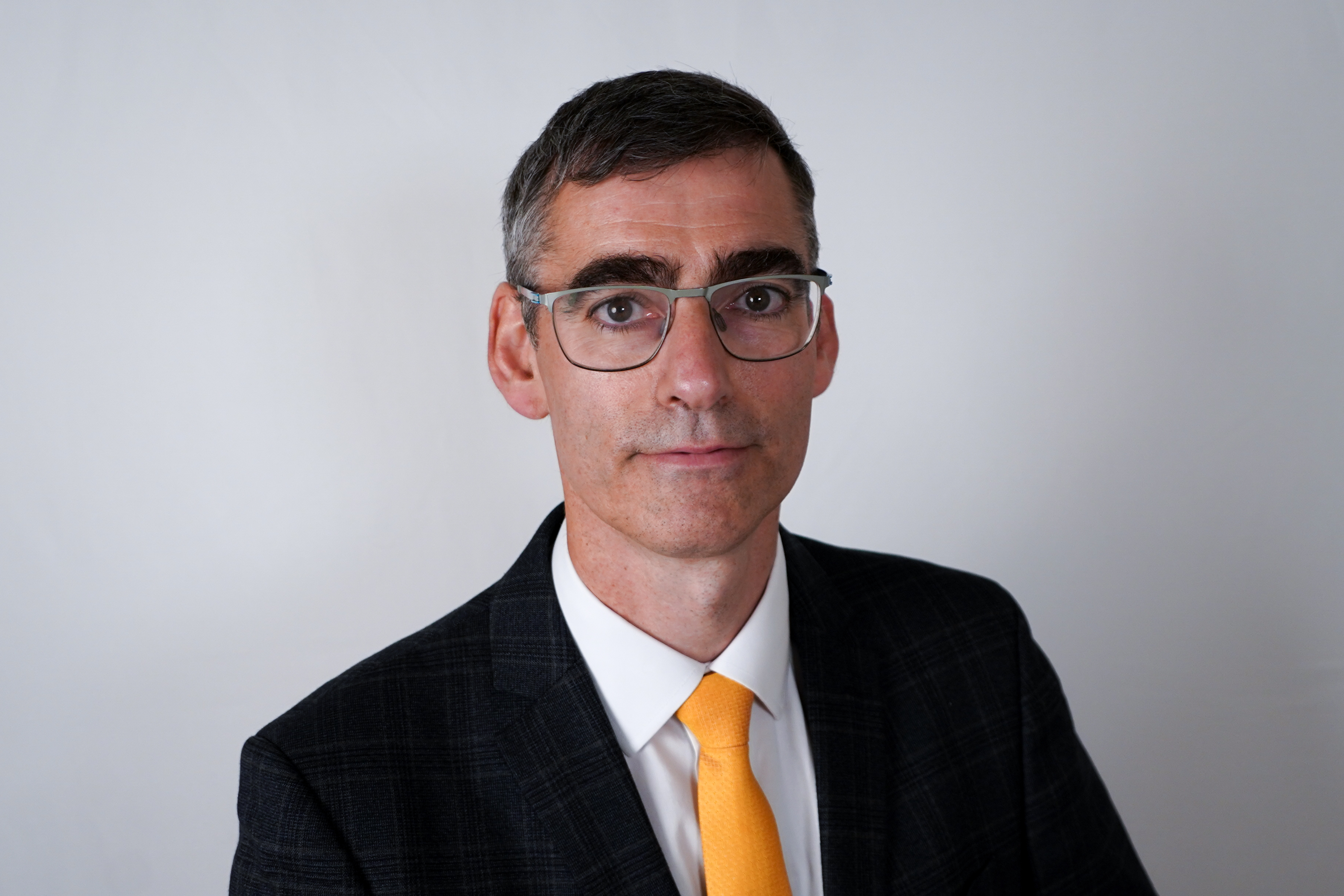 Montfort TadierChair of the Commonwealth Parliamentary Association (Jersey Branch) Executive committee88 turns · 4 sittings14,808
 - 2
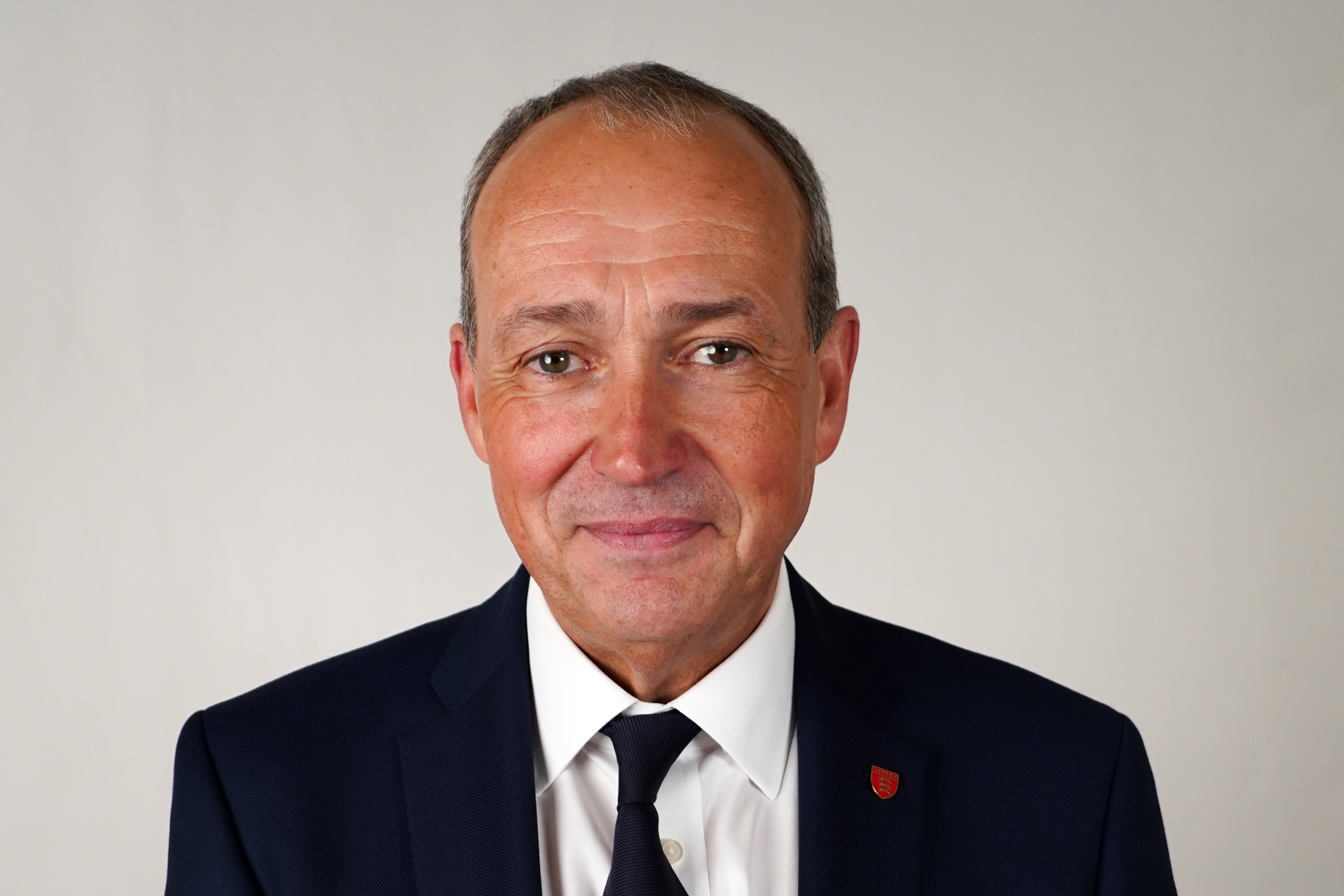 Lyndon John FarnhamChief Minister106 turns · 4 sittings11,724
 - 3
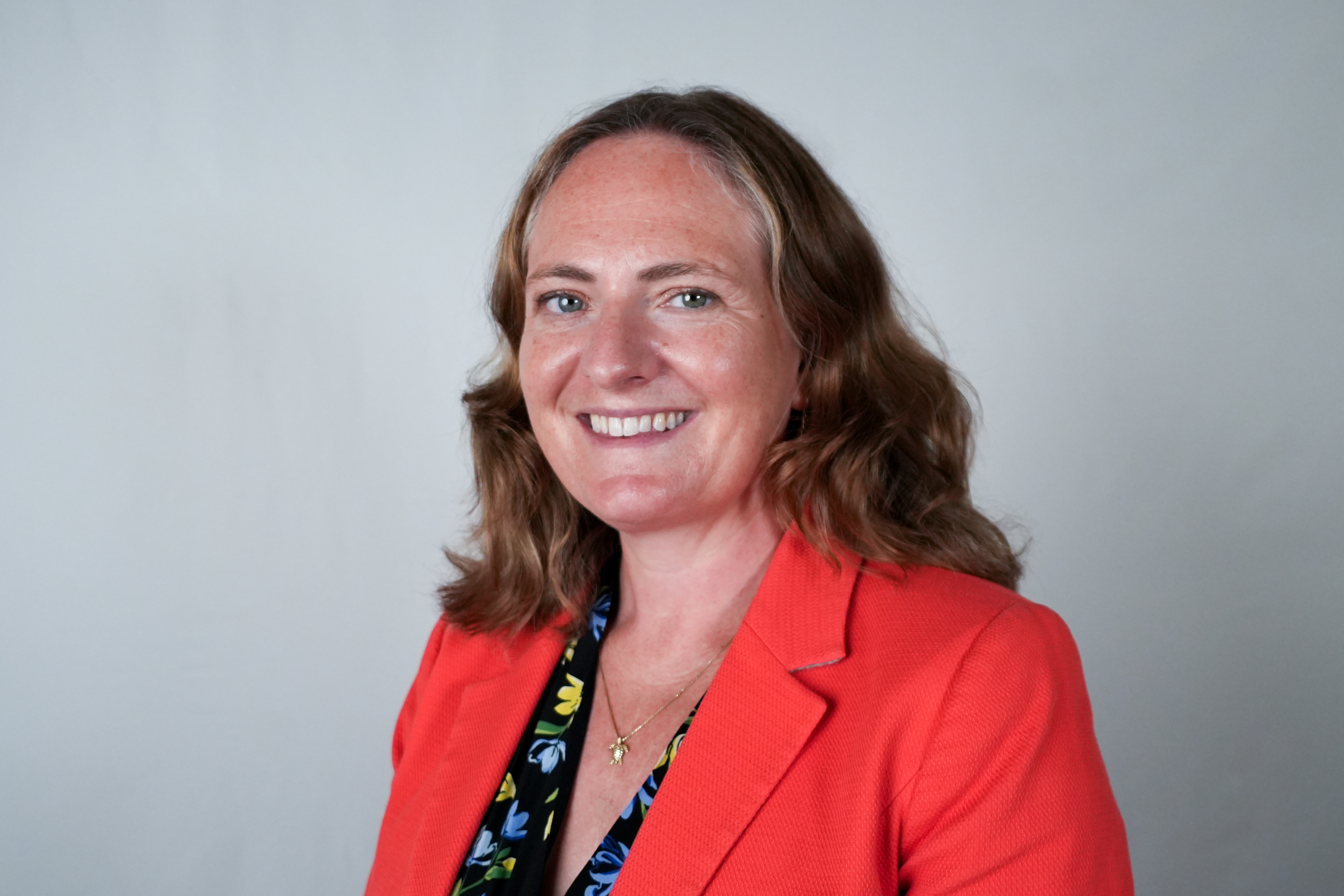 Hilary Louise JeuneDeputy Chair of the Commonwealth Parliamentary Association (Jersey Branch) Executive committee66 turns · 4 sittings10,410
 - 4
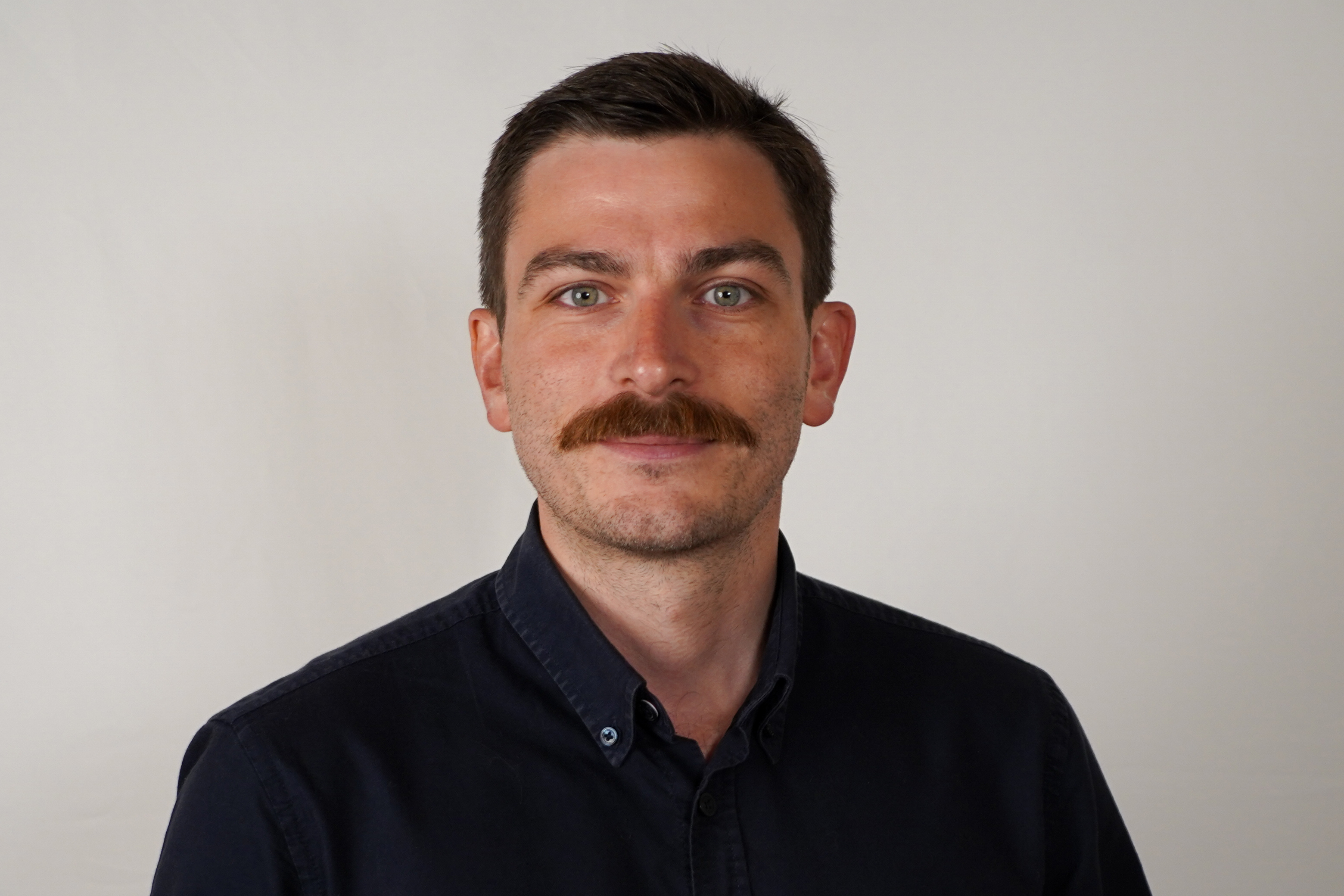 Alex Frederick CurtisMember of the Environment, Housing and Infrastructure Scrutiny Panel43 turns · 3 sittings6,611
 - 5
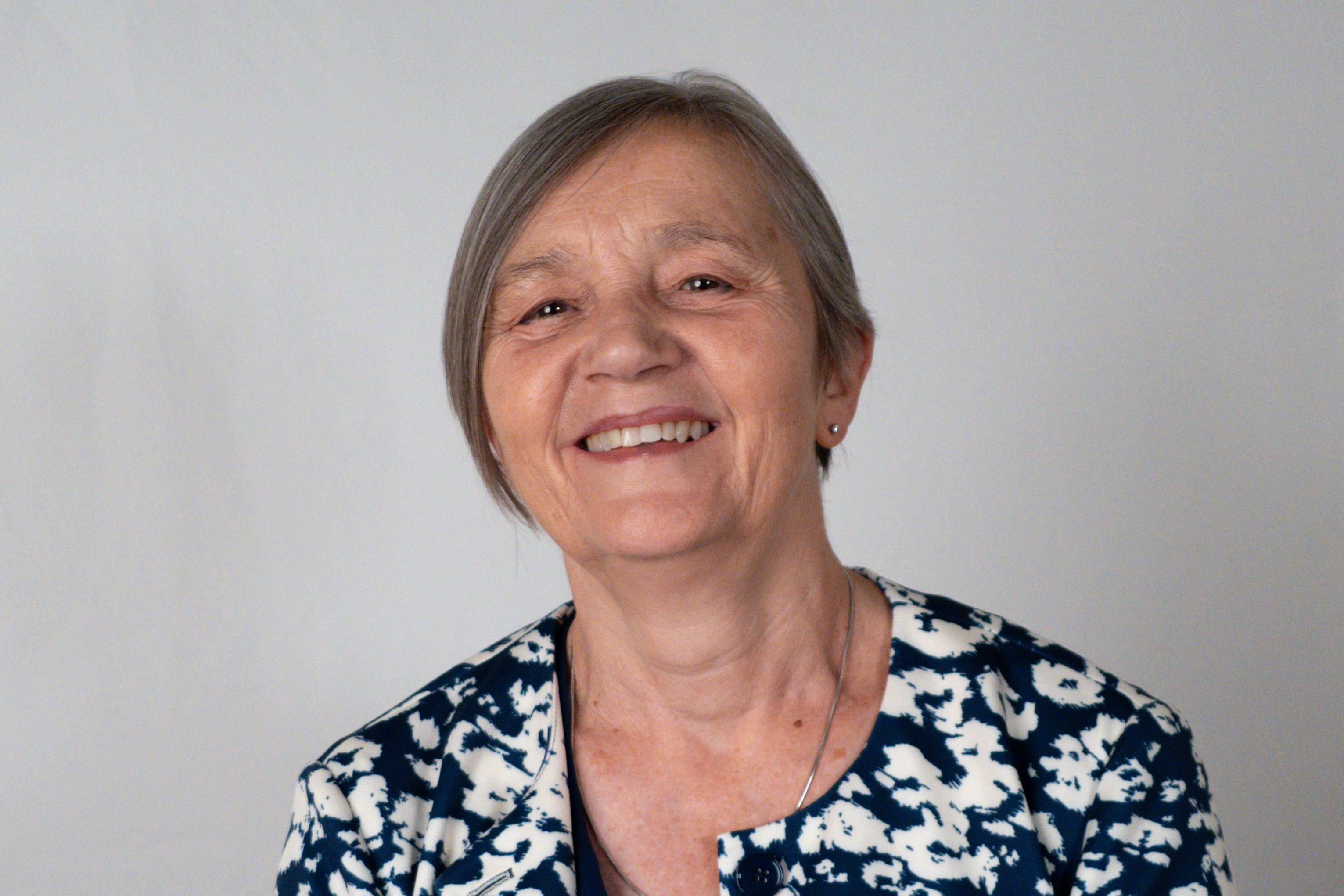 Mary Rose Le HegaratMember of the Commonwealth Parliamentary Association (Jersey Branch) Executive committee35 turns · 2 sittings5,589
 - 6
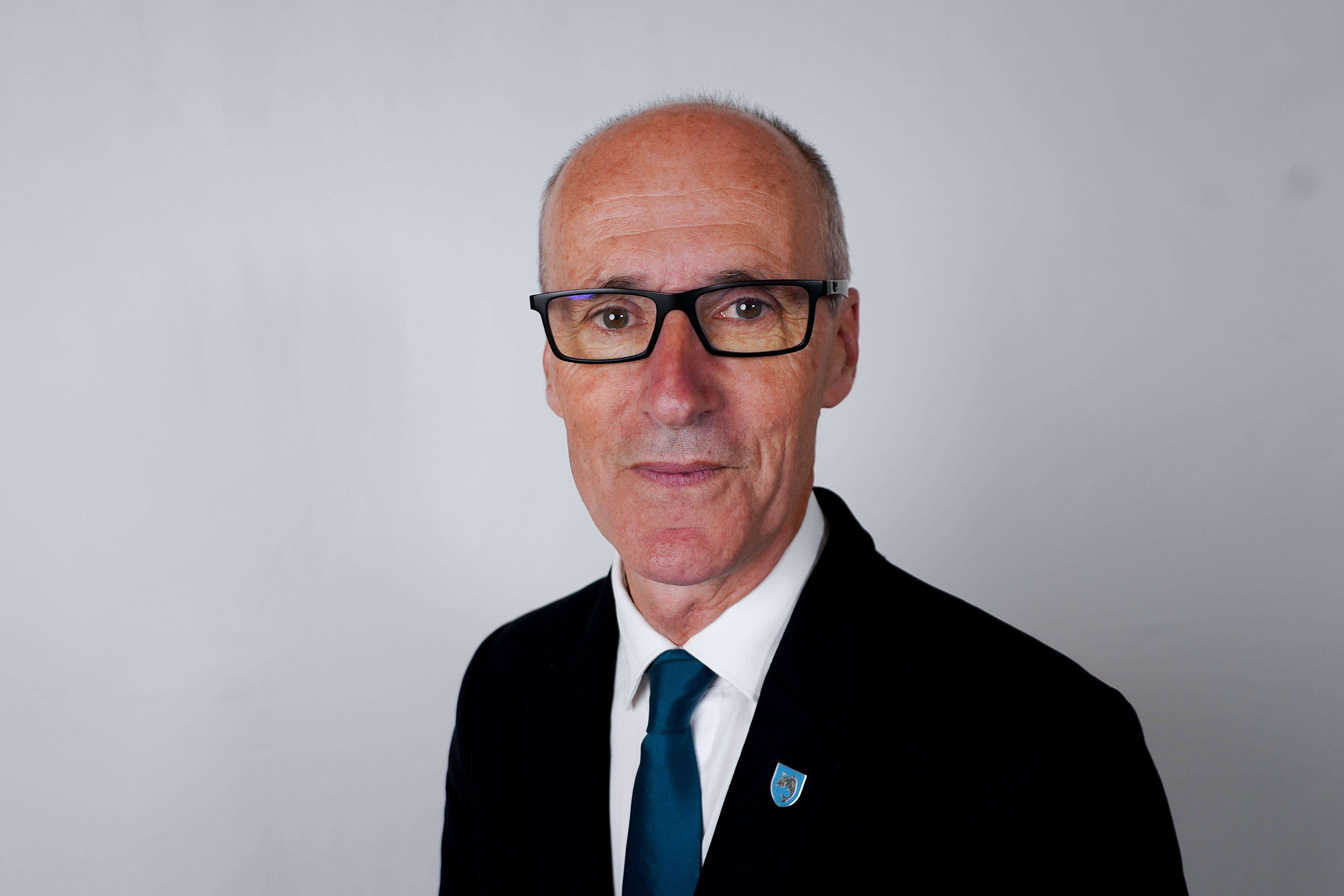 Jonathan RenoufMinister for Infrastructure33 turns · 3 sittings5,553
 - 7
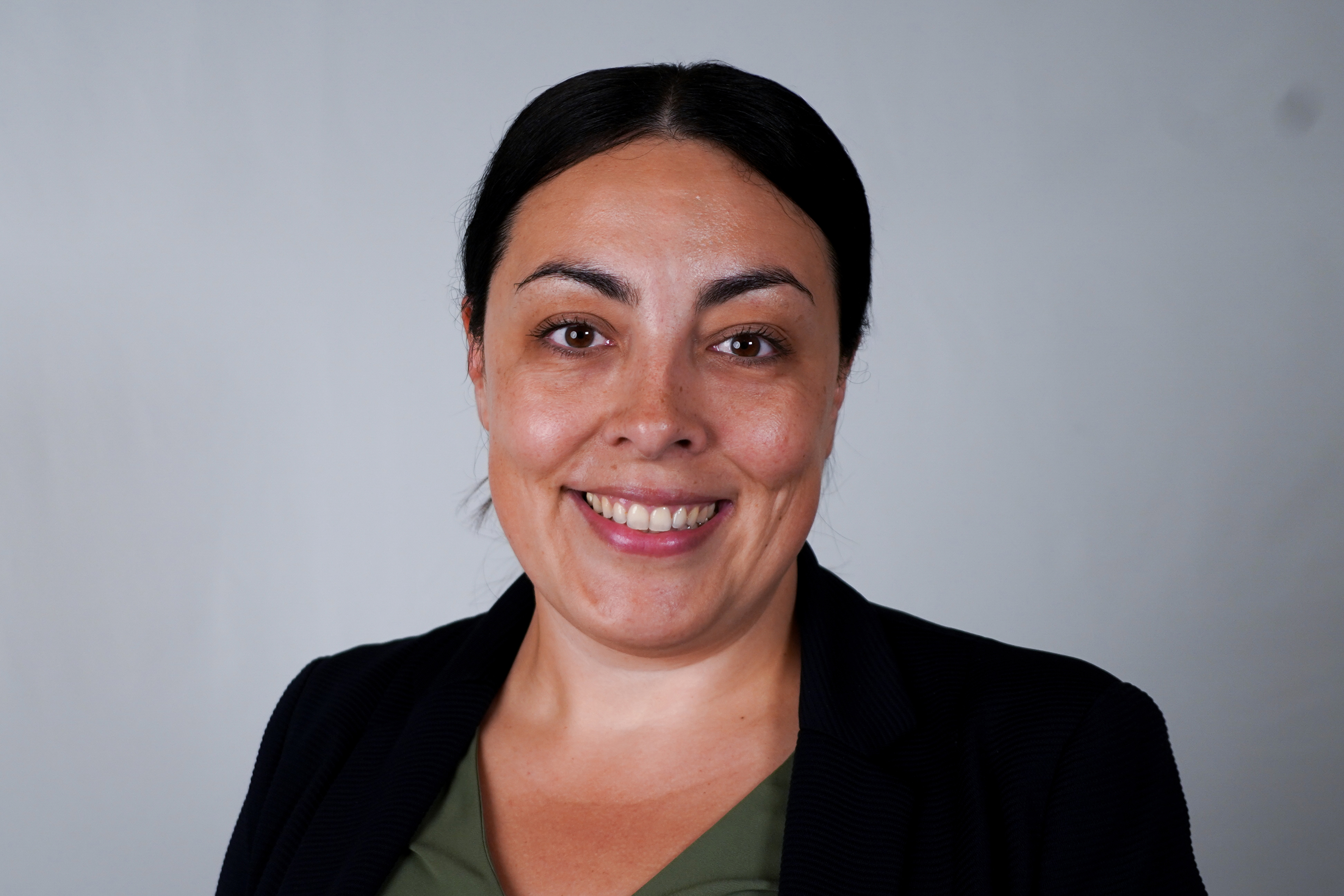 Carina Soares AlvesMember of the Commonwealth Parliamentary Association (Jersey Branch) Executive committee42 turns · 4 sittings5,095
 - 8
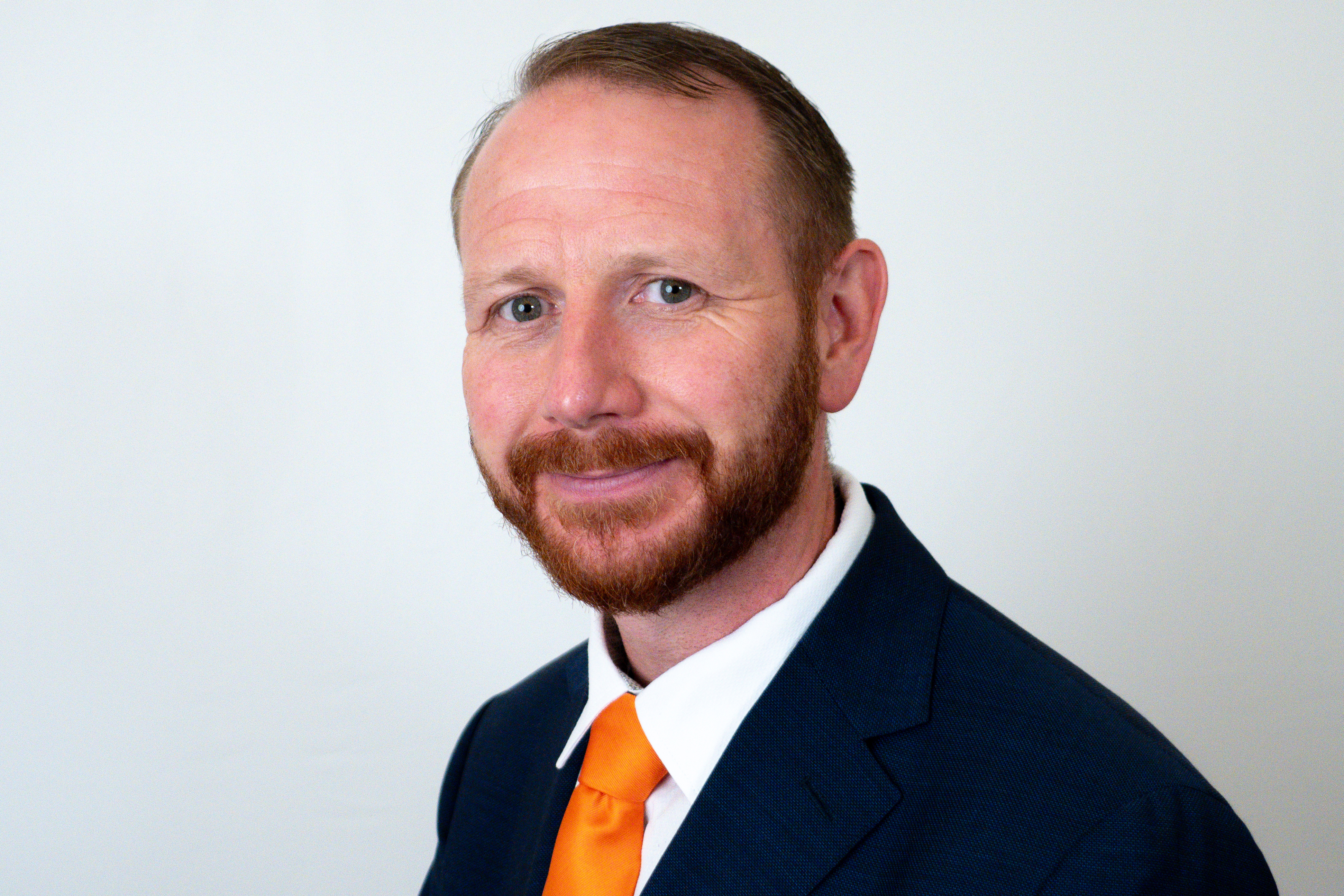 Thomas Anthony ColesMember of the Commonwealth Parliamentary Association (Jersey Branch) Executive committee41 turns · 4 sittings4,992
 - 9
 Alan MacleanAssistant Minister for Infrastructure31 turns · 2 sittings4,548
 - 10
 Karen Margaret WilsonMember of the Commonwealth Women Parliamentarians (CWP) British Islands and Mediterranean Region (BIMR) Steering Committee24 turns · 4 sittings4,229
 - 11
 Elaine MillarAssistant Minister for Housing20 turns · 2 sittings3,789
 - 12
 Ian Joseph GorstAssistant Minister for Treasury and Resources19 turns · 2 sittings3,648
 - 13
 Catherine Dolores CurtisAssistant Minister for Children and Families26 turns · 3 sittings3,592
 - 14
 Richard Percy VibertMinister for Children and Families19 turns · 2 sittings3,465
 - 15
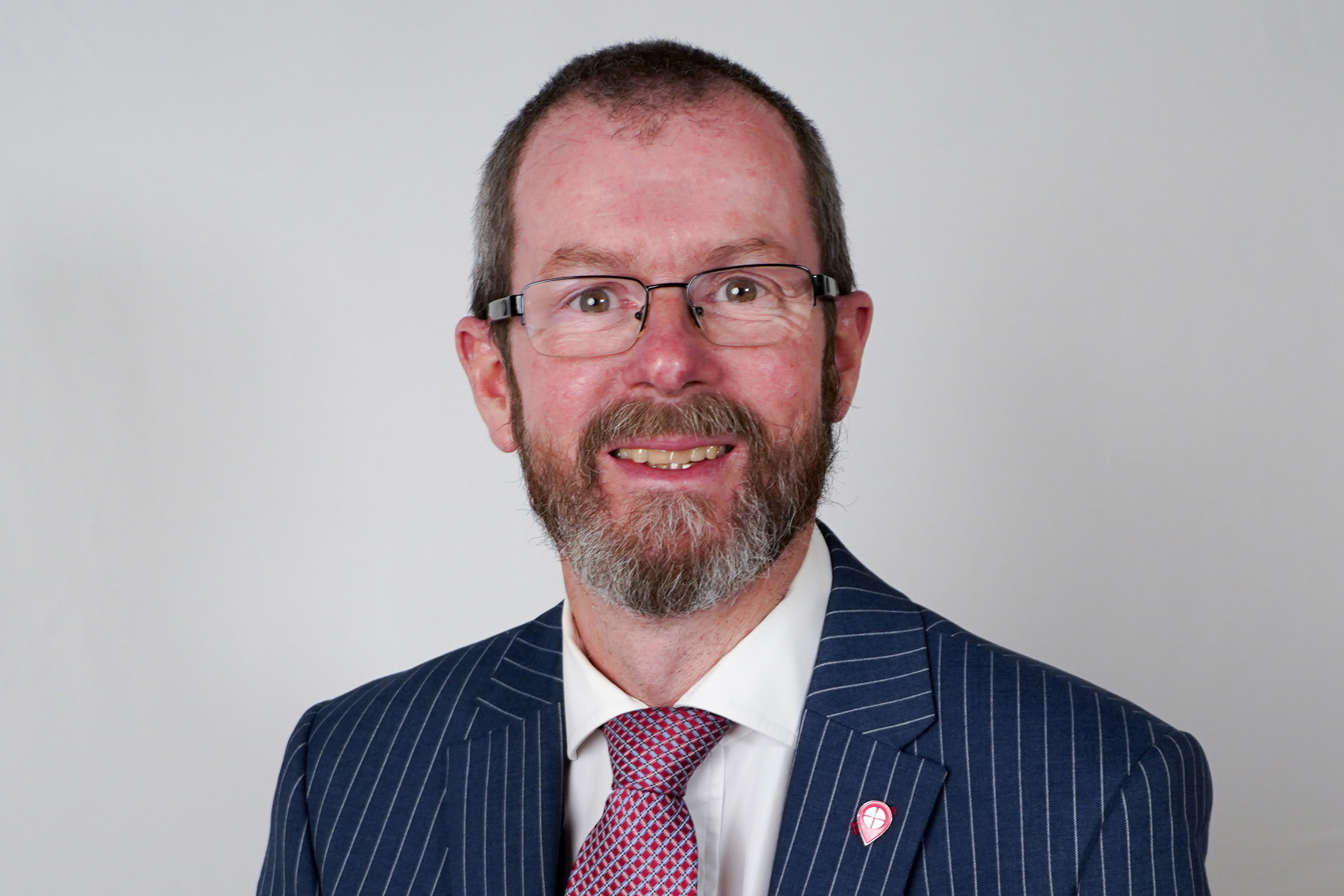 Malcolm Ross FereyAssistant Minister for Children and Families28 turns · 3 sittings3,396
 - 16
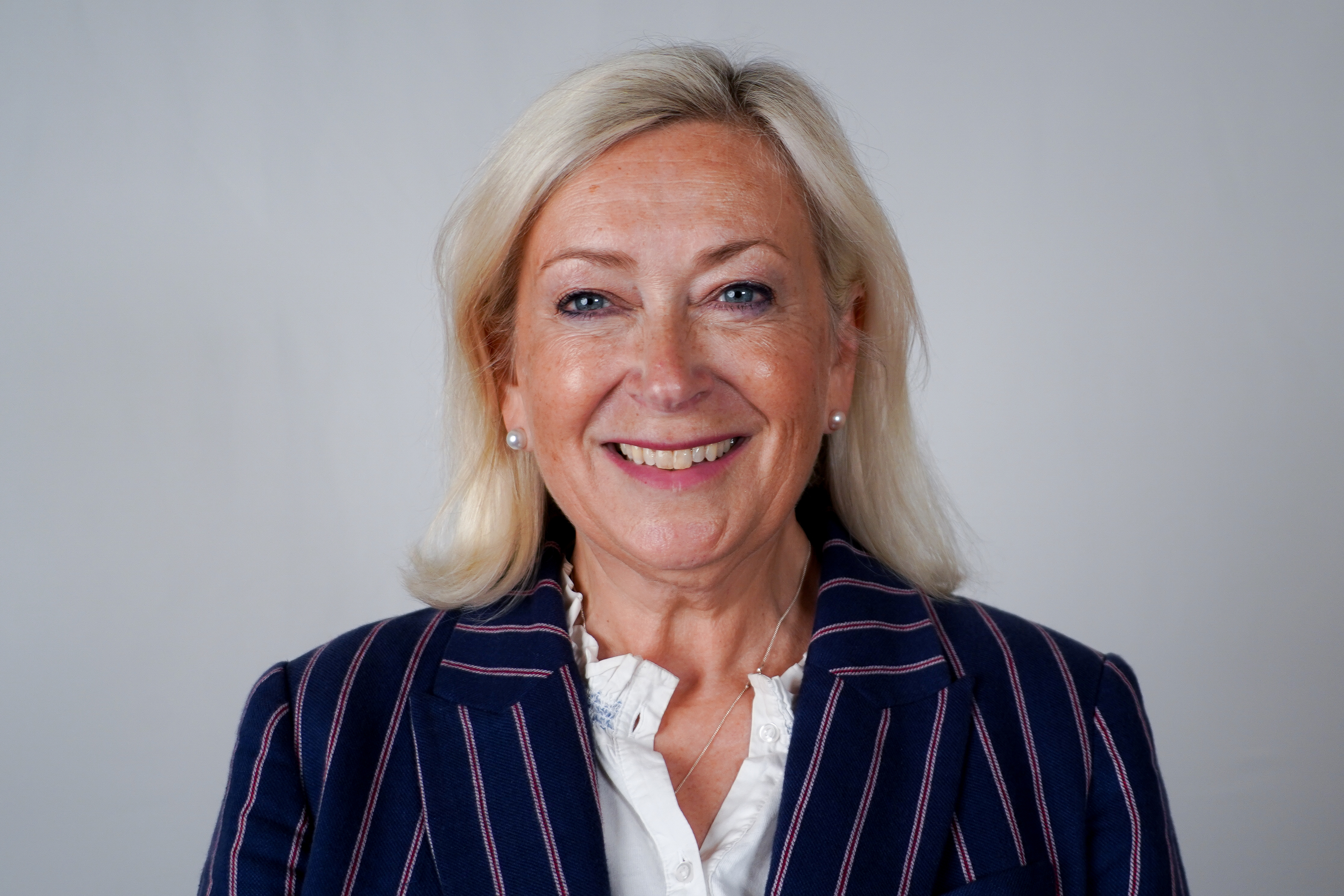 Helen Mary MilesAssistant Chief Minister20 turns · 2 sittings3,344
 - 17
 Samantha GleaveMember of the Planning Committee23 turns · 3 sittings3,153
 - 18
 Gerald VoisinMinister for Sustainable Economic Development22 turns · 3 sittings3,145
 - 19
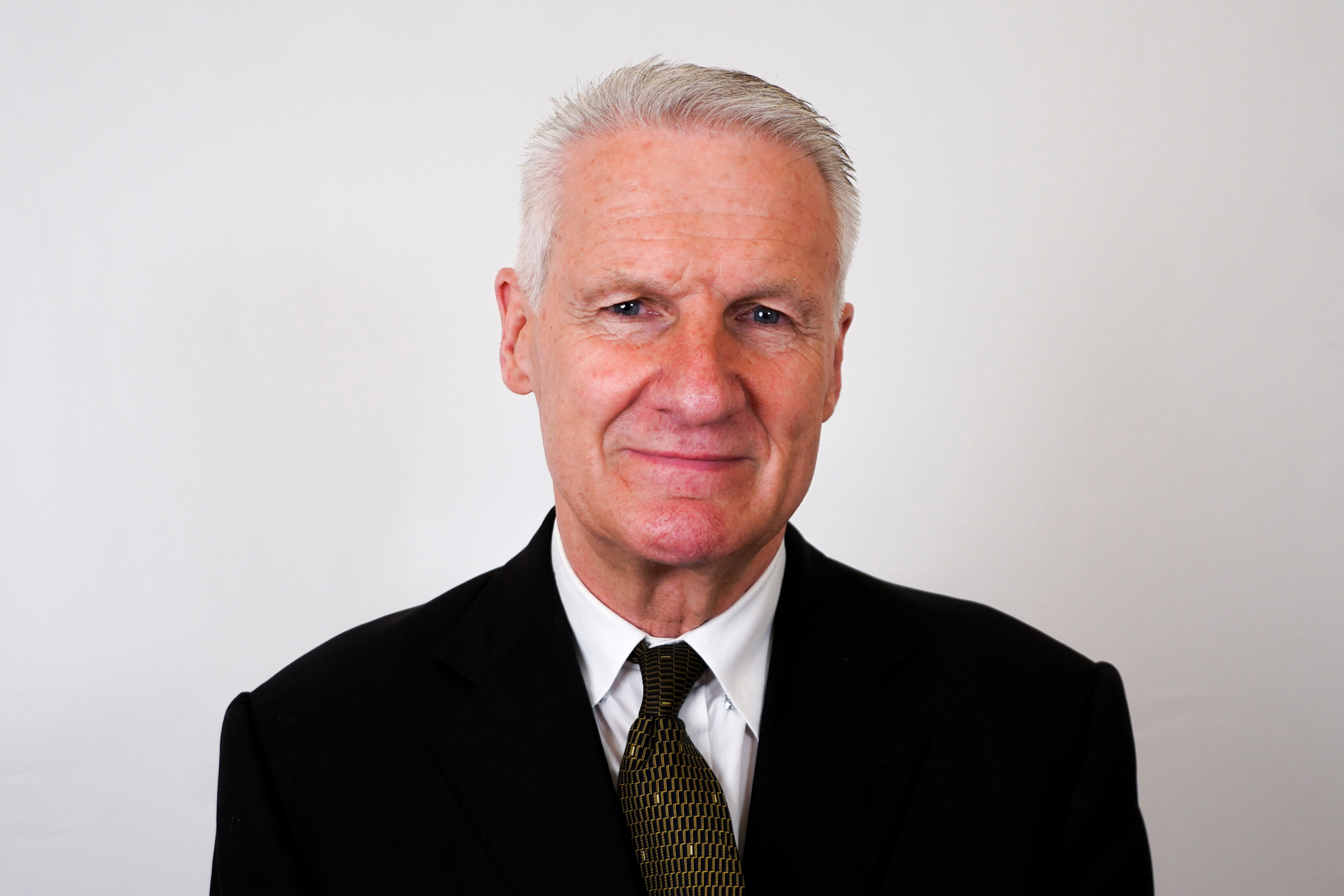 Thomas John Albert BinetDeputy Chief Minister20 turns · 2 sittings2,898
 - 20
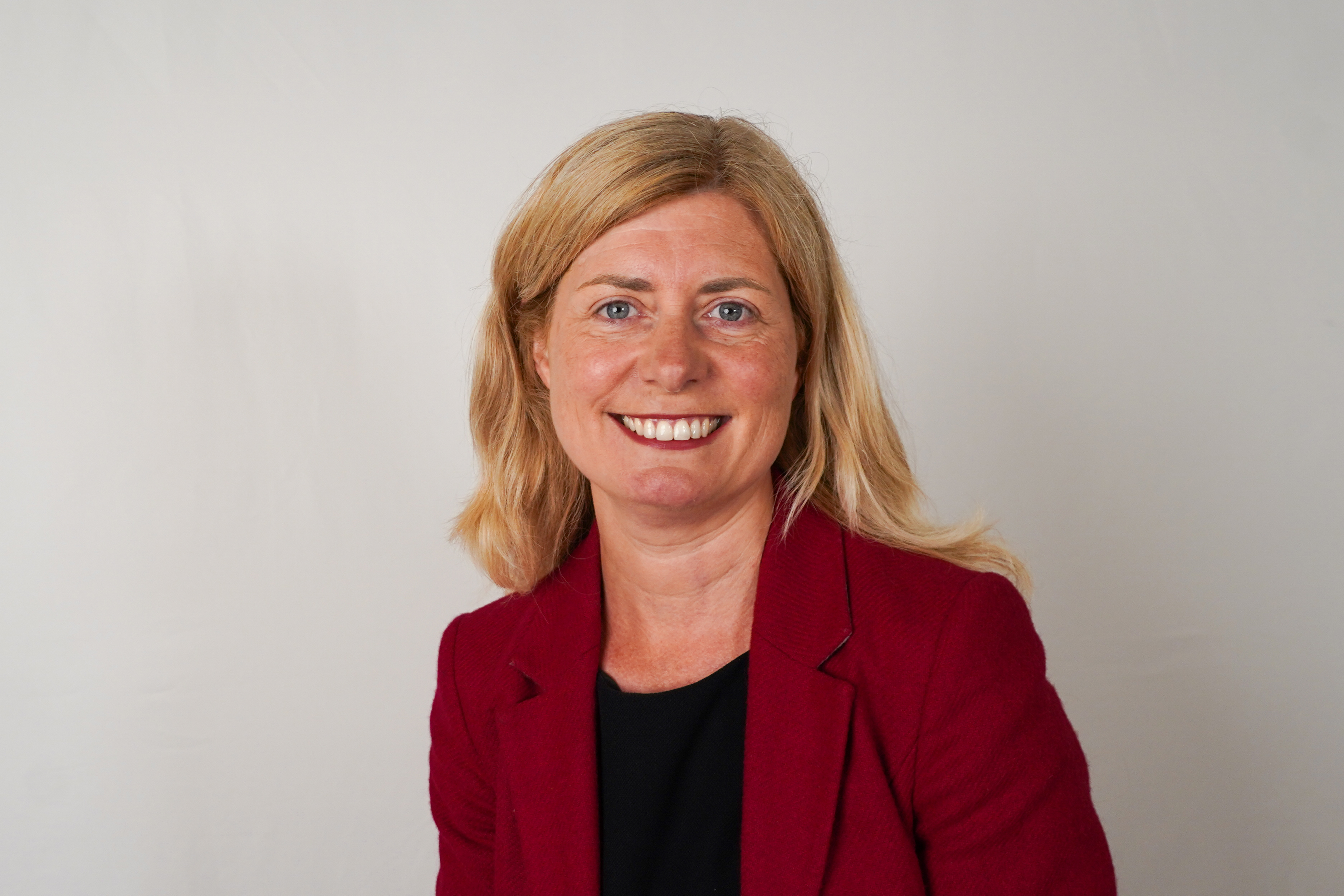 Lyndsay Victoria FelthamChair of Corporate Services Scrutiny Panel26 turns · 4 sittings2,692
 - 21
 Kirsten Francis MorelMember of the Commonwealth Parliamentary Association (Jersey Branch) Executive committee36 turns · 4 sittings2,435
 - 22
 Louise Mary Catherine DoubletMember of the Commonwealth Parliamentary Association (Jersey Branch) Executive committee38 turns · 4 sittings2,433
 - 23
 Victoria LiMember of the Public Accounts Committee17 turns · 4 sittings2,164
 - 24
 Rosemary Esther BinetExecutive Member of the States Employment Board19 turns · 2 sittings2,089
 - 25
 Inna GardinerMember of the Bailiff's Consultative Panel36 turns · 4 sittings2,056
 - 26
 Carolyn Fiona LabeyMinister for International Development8 turns · 2 sittings1,837
 - 27
 Andrew Nicholas JehanMember of the Privileges and Procedures Committee17 turns · 3 sittings1,016
 - 28
 Beatriz Borges de Sousa Vaz Moreno PoréeChair of the Health and Social Security Scrutiny Panel11 turns · 3 sittings837
 - 29
 Karen Elizabeth Shenton-StoneMember of the Commonwealth Women Parliamentarians (CWP) British Islands and Mediterranean Region (BIMR) Steering Committee12 turns · 2 sittings733
 - 30
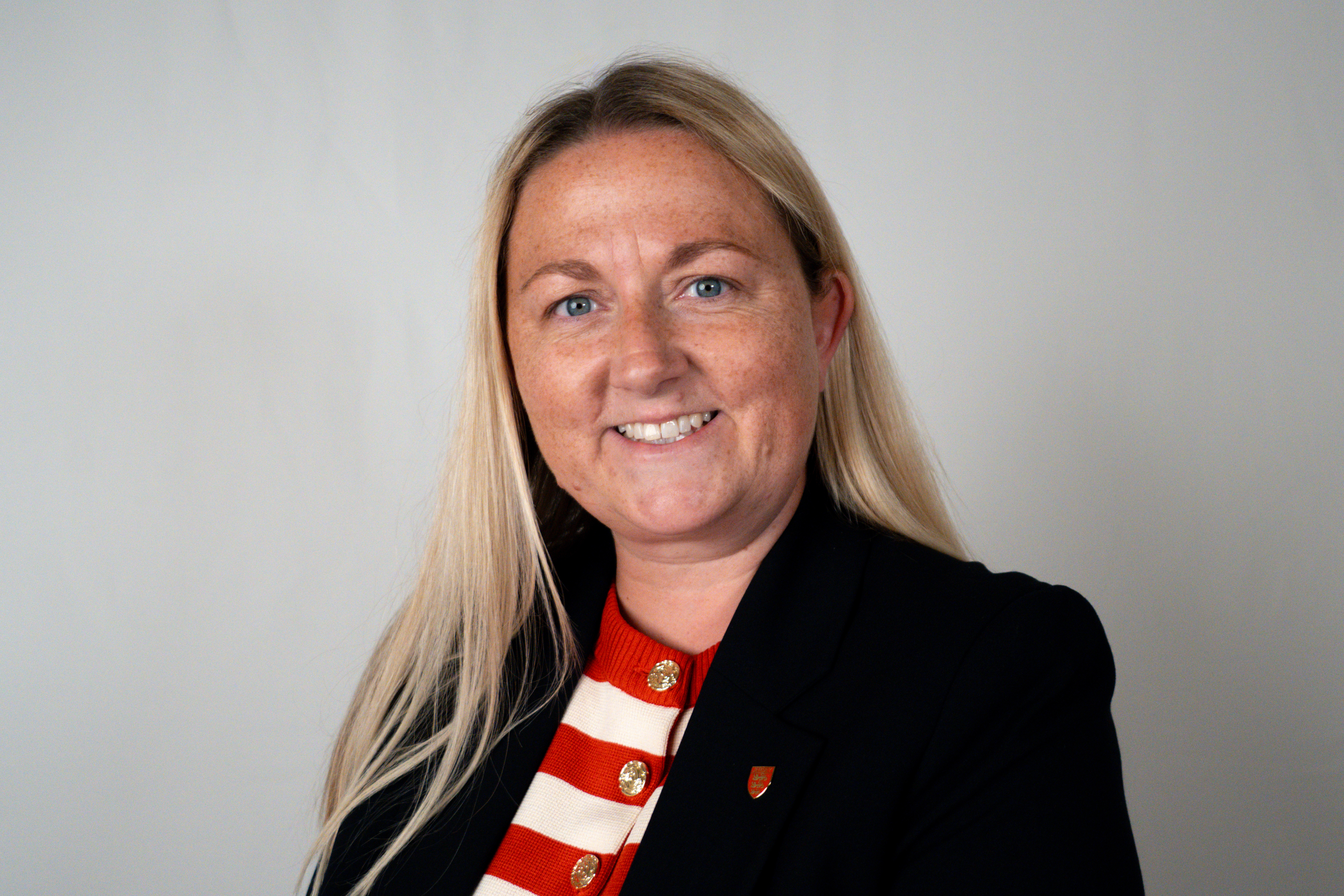 Lucy Kate Frances StephensonAssistant Minister for Education and Lifelong Learning14 turns · 4 sittings722
 - 31
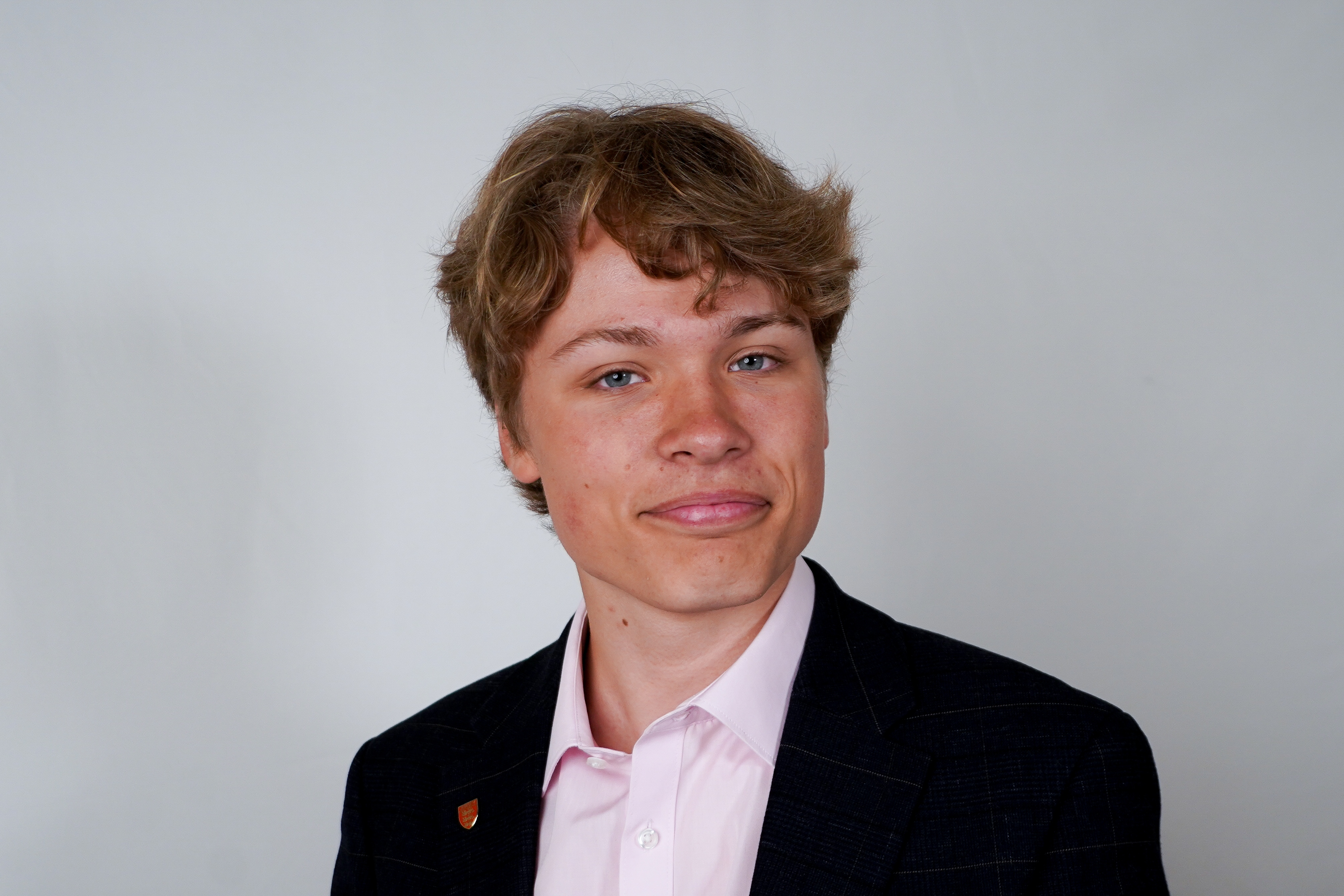 Gabriel RaimondoMember of the Economic and International Affairs Scrutiny Panel14 turns · 2 sittings590
 - 32
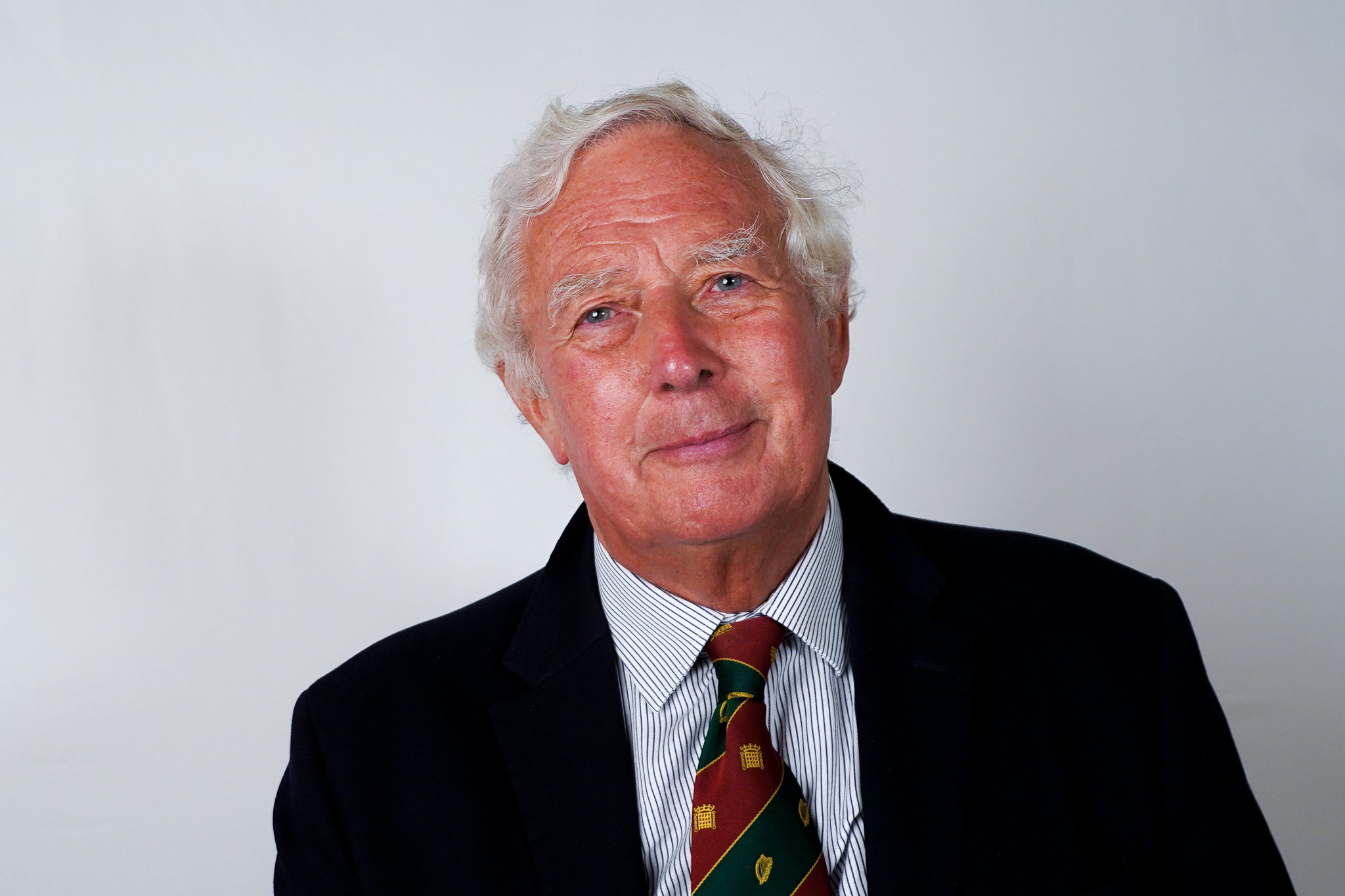 Robert David JohnsonMember of Comité des Connétable7 turns · 4 sittings590
 - 33
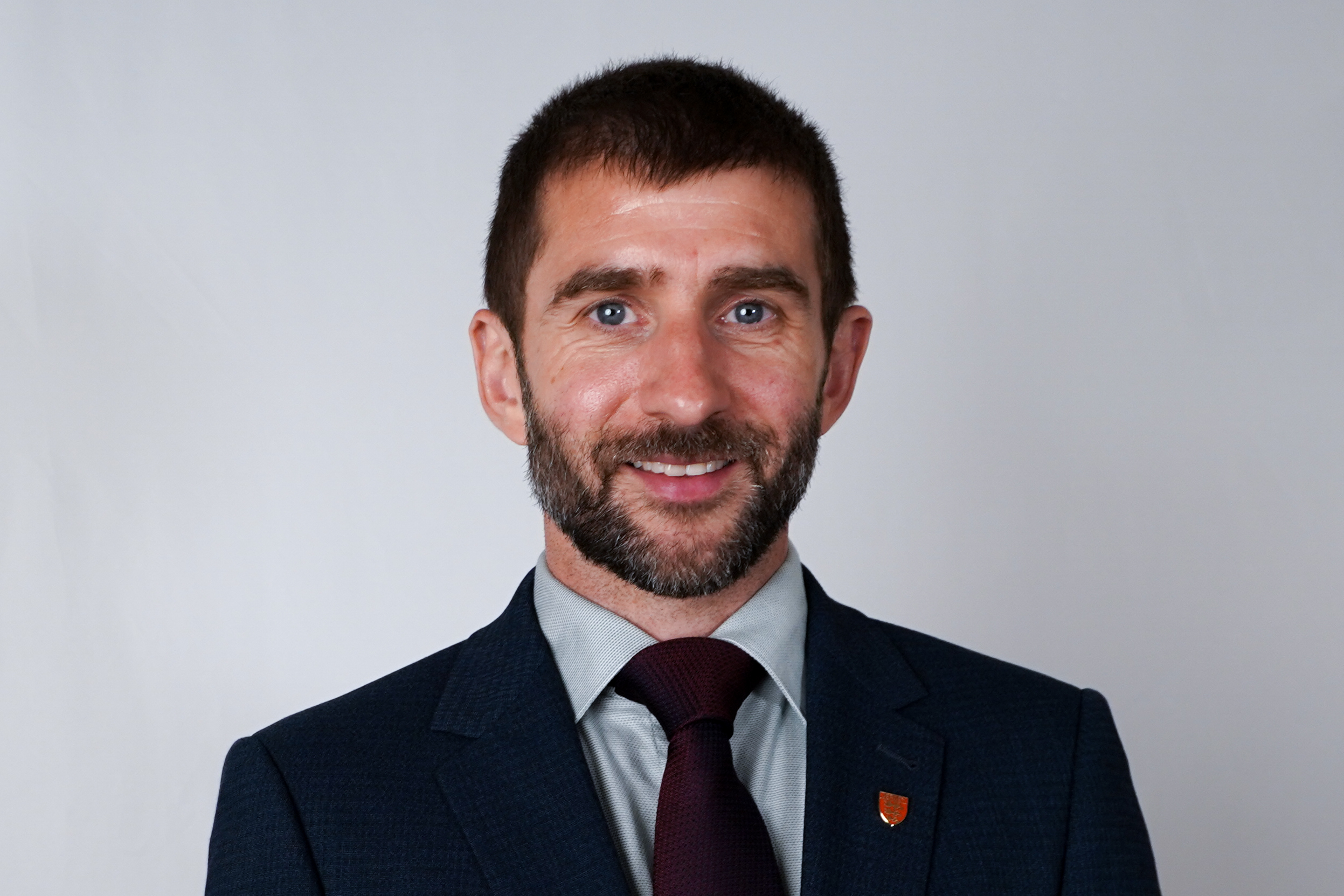 Lee CarpenterMember of the Public Accounts Committee12 turns · 4 sittings555
 - 34
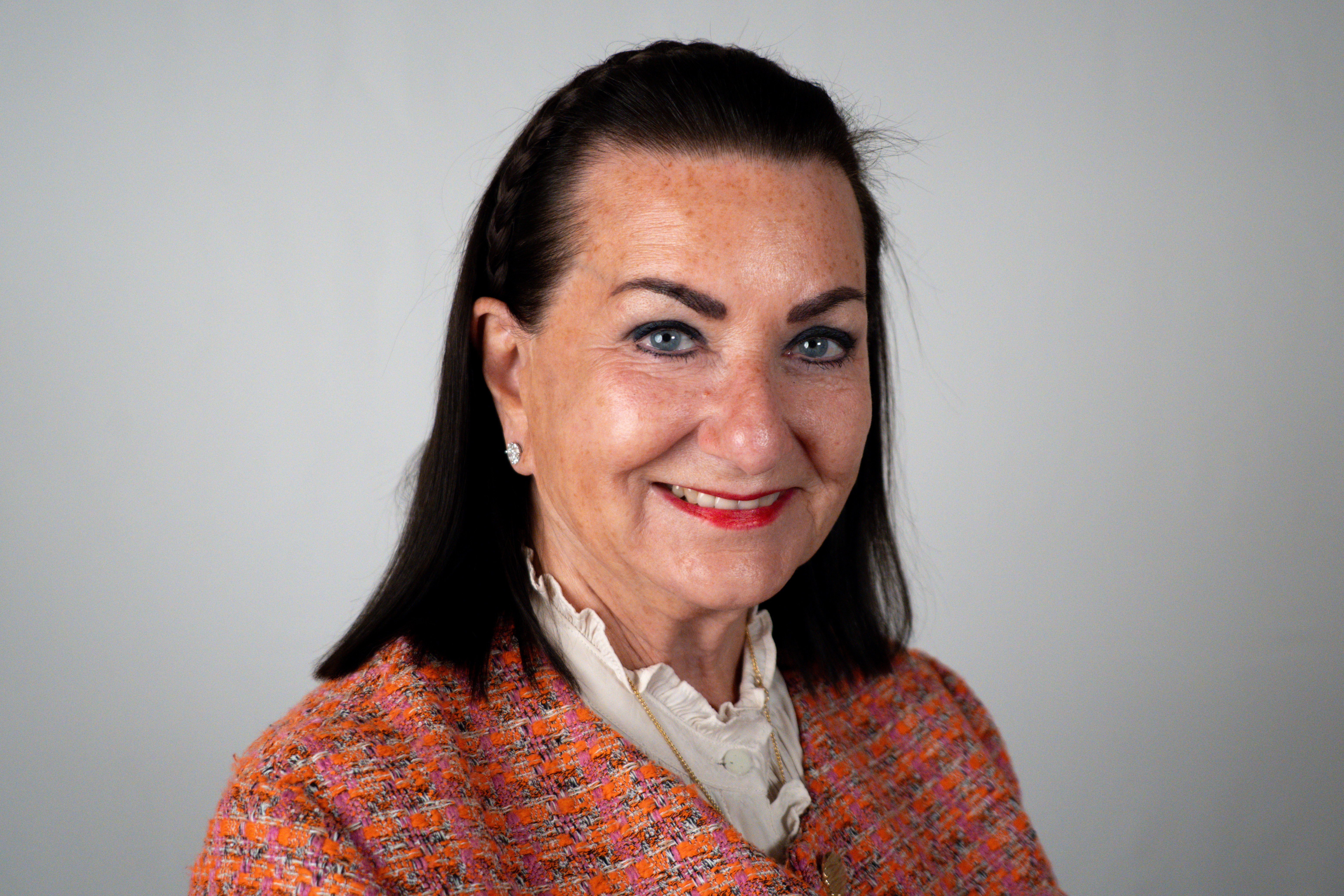 Barbara WardMember of Legislation Advisory Board5 turns · 2 sittings422
 - 35
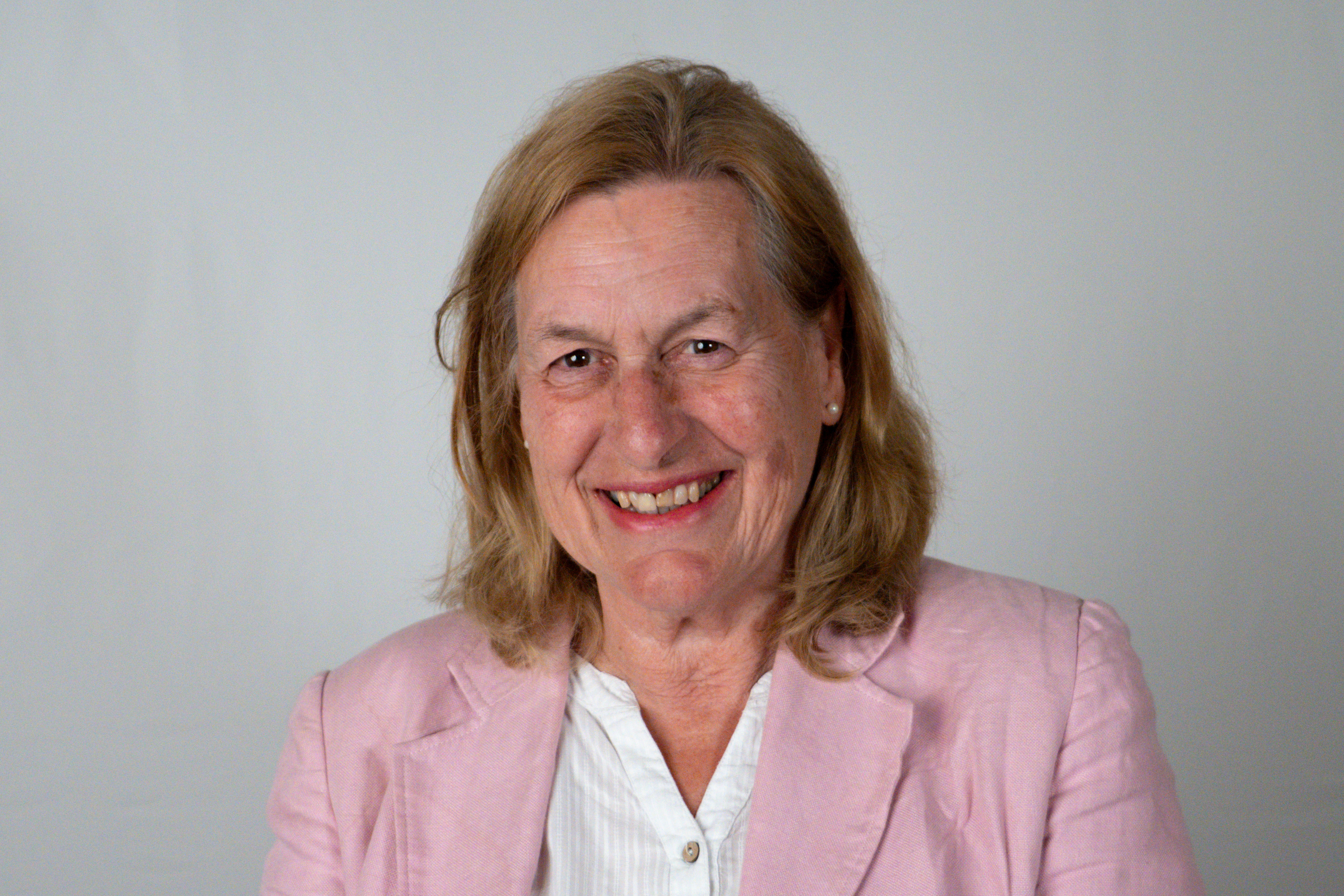 Andrea HowellAssistant Minister for Health and Social Services4 turns · 2 sittings323
 - 36
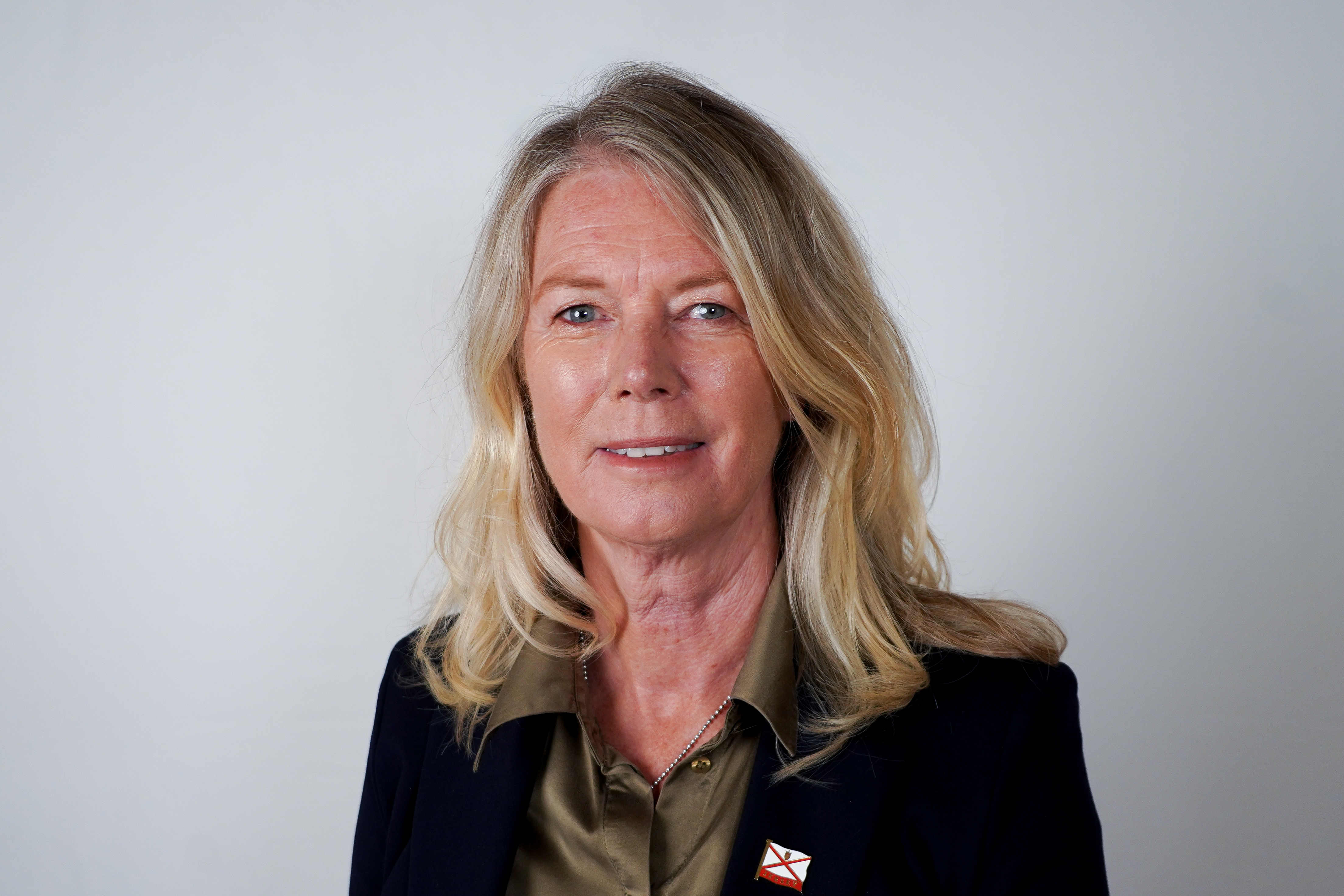 Arlene Maltman8 turns · 2 sittings305
 - 37
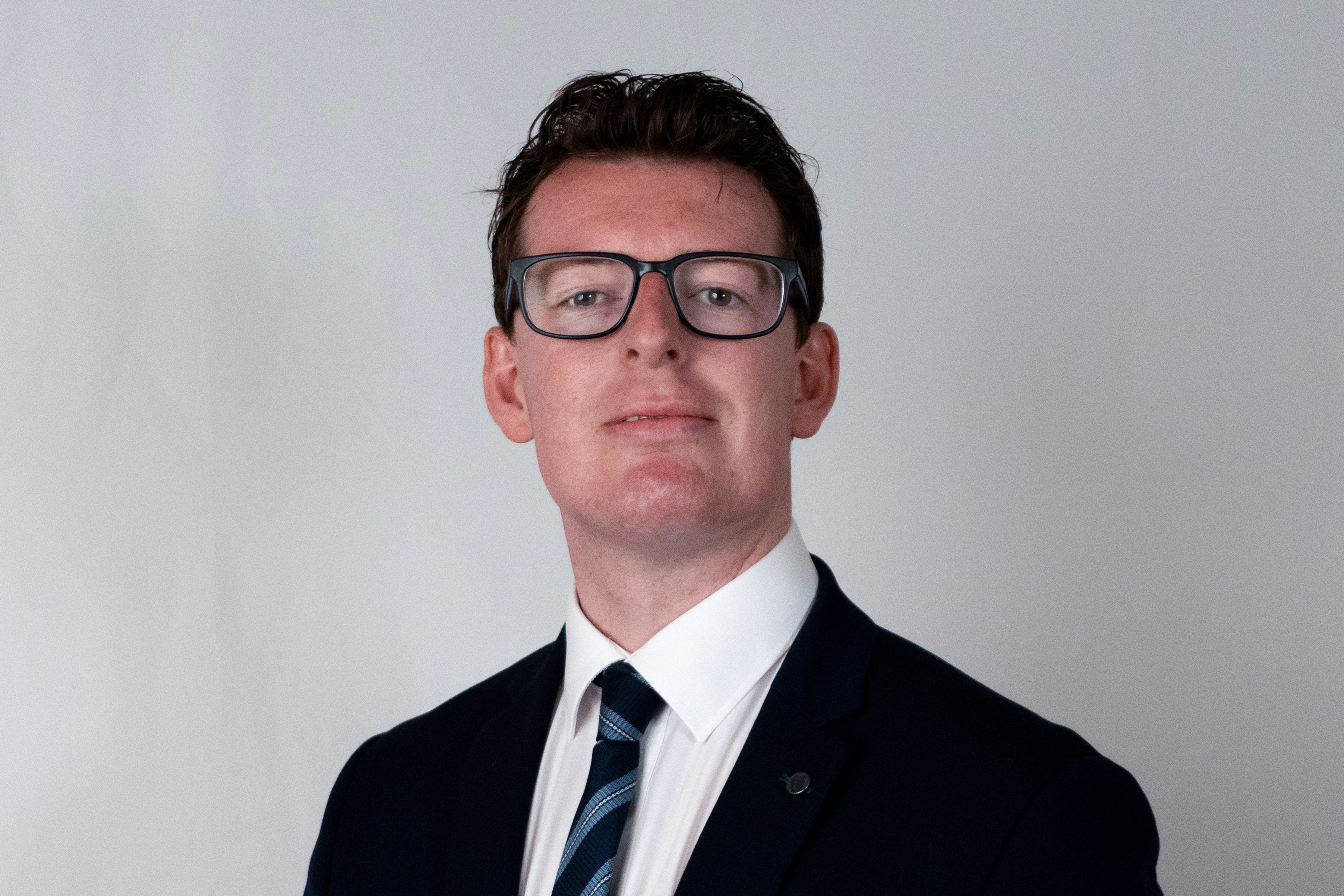 Max Brennan Andrews10 turns · 3 sittings282
 - 38
 Marcus O'Donnel TroyMember of the Public Accounts Committee5 turns · 1 sittings250
 - 39
 Phil RomerilAssistant Minister for Planning and Regulation3 turns · 2 sittings220
 - 40
 Steve PallettMember of the Planning Committee3 turns · 2 sittings171
 - 41
 Robert ParkerAssistant Minister for Treasury and Resources3 turns · 1 sittings164
 - 42
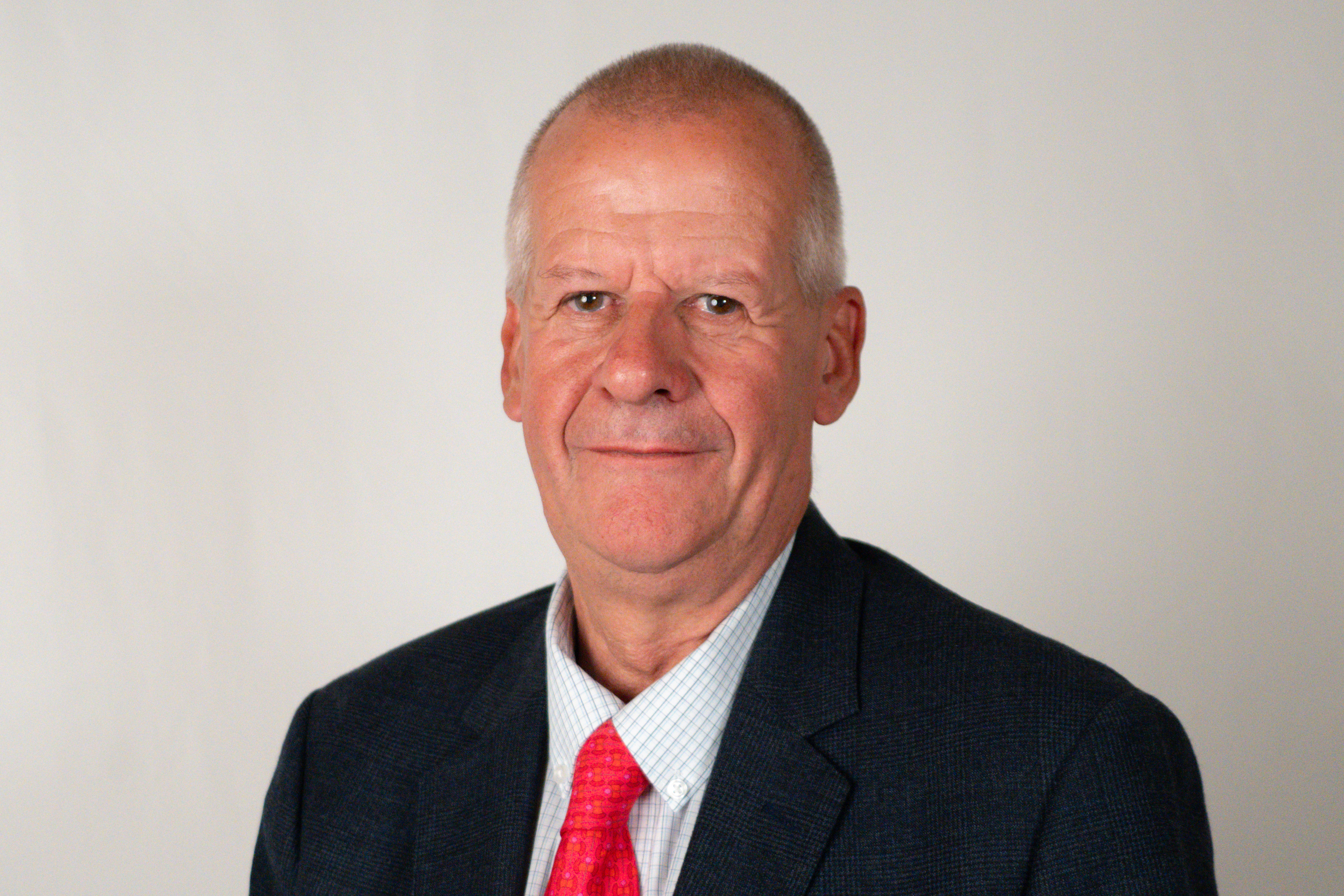 Dave CurtisMember of the Environment, Housing and Infrastructure Scrutiny Panel2 turns · 1 sittings136
 - 43
 Chris LeckMember of the Corporate Services Scrutiny Panel2 turns · 2 sittings87
 - 44
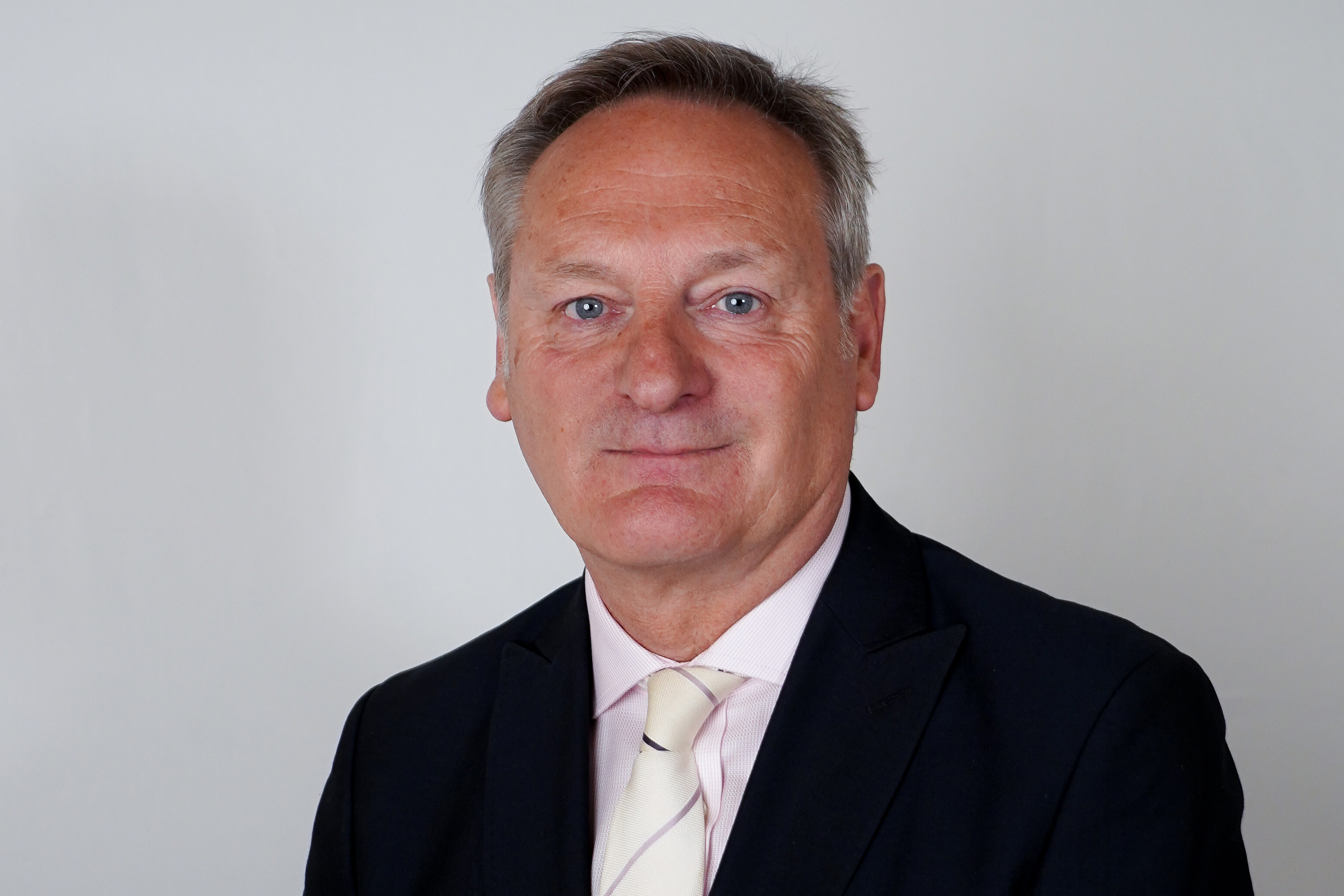 Chris RebindaineMember of the Corporate Services Scrutiny Panel3 turns · 1 sittings87
Words per sitting over time
Official Report · per sittingHow the ranking works
Ranked by total words spoken, not number of speaking turns, so a member interrupted often (many short turns) doesn’t outrank one giving fewer, longer speeches. This measures chamber airtime only — it says nothing about whether a member delivered on their promises. See promise delivery rankings.
Debate analysis
A full read of the busiest debates this term — what was argued, by whom, and verbatim lines from the chamber floor — checked against the transcript, never paraphrased. Expand a debate below to read it.
The busiest single agenda item so far has been “The Minister for Treasury and Resources” on 30 Jun 2026, which drew 12,702 words from 22 members — 1.1× the next busiest, “Take No Action on the Draft States of Jersey (Ministerial Offices) Amendment Order 202- (P.62/2026)” (14 Jul 2026). Debates with a full analysis can be expanded below.
- 1
The Minister for Treasury and Resources
12,702w
30 Jun 2026 · 22 members
This debate concerned the selection of Senator Alan Maclean as Minister for Treasury and Resources. Maclean was the sole nominee, put forward by Senator Farnham, and his candidacy prompted a structured question-and-answer session covering public finances, economic growth, health spending, procurement, States-owned entities, and several specific policy concerns raised by Members.
In his opening address, Maclean set out a broadly cautious financial philosophy. He acknowledged that Jersey holds an AA- credit rating and a strong balance sheet, but warned against complacency, noting that government expenditure had grown faster than income, that operating deficits had replaced balanced budgets, and that debt servicing costs were projected to reach around £48 million a year by 2028. He cited the growth of the public sector workforce — up around 43 per cent since 2018 compared with 22 per cent in the private sector — as a structural imbalance that needed correcting. His stated priorities included progressing Budget 2027, developing a new three-year financial framework for 2028-2030, simplifying government procurement to favour local businesses, and implementing the recommendations of the Time to Win report on financial services competitiveness. He repeatedly framed sound public finances and economic growth as mutually reinforcing rather than competing objectives, drawing on his earlier tenure as Treasury Minister from 2014 onwards when he oversaw the elimination of a projected £145 million structural deficit.
The questions from Members probed several distinct pressure points. Deputy Andrews raised the reinstatement of the States grant to the Social Security Fund, initially asking for it to be restored by 2028 and then by 2029 after Maclean indicated 2028 was a stretch; Maclean held to 2030 as the working timeline but indicated willingness to explore acceleration. Deputy Gleave pressed on alcohol duty, arguing that high duty was driving drinking behind closed doors, fuelling domestic violence, and damaging the hospitality sector; Maclean acknowledged the balance was not right and indicated he was open to revisiting it. Deputy Doublet asked how Maclean planned to address child poverty and ensure economic growth was distributed equitably, receiving a general answer about multi-agency responses and collaborative distribution through the Council of Ministers. Deputy Coles raised outstanding ITIS and social security debts accumulated largely during COVID and asked whether government contracts could be withheld from debtors; Maclean called this an excellent suggestion subject to legal advice. Deputy Curtis focused on digital transformation and the case for centralising digital investment to generate efficiencies; Maclean supported an invest-to-save approach but cautioned against automatic centralisation. Deputy Feltham challenged Maclean on Health spending, asking whether unrealistically tight budgets simply displaced costs elsewhere; Maclean responded that front-line services would not be cut, pointed to current stabilisation in the Health forecast, and argued that driving economic growth — as had been done in 2014 — was the primary lever. Connétable Howell raised procurement, and Maclean confirmed he had already appointed Deputy Parker as an Assistant Minister with a specific procurement brief. Connétable Johnson of St. Mary asked about Maclean's shareholder oversight of States-owned entities and their property portfolios; Maclean confirmed he saw this as squarely within his remit and indicated the memoranda of understanding would come up for review.
Throughout, Maclean's tone was collaborative and managerial rather than ideological. The real disagreement in the session was not between competing candidates — there was only one nominee — but between Members pushing for faster or more ambitious commitments on the States grant, alcohol duty, health funding, and child poverty, and Maclean consistently moderating those ambitions against what he described as competing departmental pressures and the overriding need for fiscal discipline. The debate concluded when the Bailiff announced that Senator Maclean had been appointed as Minister for Treasury and Resources.
“Strong public finances are not a destination, they are the foundation that allows Jersey to prosper.”
“Since 2018, the public sector workforce has grown by around 43 per cent compared with around 22 per cent in the private sector. It now represents almost 14 per cent of Jersey's workforce. We need an effective public sector but we also need a strong private sector because it creates the jobs, investment and tax revenues that fund our public services.”
“It is leading, as I understand it from the police, to increased rates of domestic violence behind closed doors. It is also very badly damaging our hospitality industry with many businesses in my district, St. Helier , suffering, with people simply not being able to afford to go there.”
“If the Minister for Health and Social Services did say to the Senator that Health could not safely deliver within its current funding limits, would the Senator's first instinct be to provide additional funding, increase charges, reduce services, use reserves, borrow or raise additional revenue?”
“We need to grow the economy, bring in the revenues, and that will help to offset.”
- 2
Take No Action on the Draft States of Jersey (Ministerial Offices) Amendment Order 202- (P.62/2026)
11,578w
14 Jul 2026 · 9 members
This debate concerned a proposition by Deputy T.A. Coles asking the Assembly to request the Chief Minister to take no action on a Draft Order that would establish a new ministerial role, Minister for Planning and Regulation, until certain conditions were met. Those conditions included the publication of a report covering additional costs and staffing implications, lines of officer accountability, the reasoning behind transfers of legislative responsibilities, and consideration of alternative structures, followed by a full Assembly debate and vote on the new role. The practical backdrop was that the Chief Minister had used powers under Article 29A of the States of Jersey Law 2005 to create the new ministerial office by Order, without a prior Assembly vote, and Senator Boleat was already operating as an Assistant Minister with delegated functions in the interim.
Deputy Coles opened by framing the debate as one about process rather than principle. He argued that the first recommendation of the Democratic Accountability and Governance Report called for each department to have one ultimately accountable Minister, with additional Ministers structured as non-Council of Ministers Assistant Ministers, making the case for an Assistant Minister arrangement rather than a full new Ministry. He pointed out that R.106, the notice accompanying the proposed Order, lacked detail on departmental structure, budget implications, resource requirements and the rationale for which legislation was being transferred. He drew attention to the fact that the Agricultural Land law had been described as the Environment Department's remit by the incoming Minister for the Environment, and then appeared to be moving between portfolios, illustrating what he characterised as a lack of coordination. He noted that since Senator Boleat already held delegated functions as an Assistant Minister, no work would be delayed by supporting his proposition.
The Chief Minister, Senator Farnham, made the principal case against the proposition. He argued that the statutory notice process had been followed, that planning and environment had each grown into substantial portfolios requiring dedicated ministerial leadership, and that no new department or directorate was being created, so no additional resource implications were anticipated at that stage. He listed the breadth of the environmental portfolio to illustrate why separation would allow both Ministers greater focus, and cited precedent, including the creation of the Minister for External Relations, International Development, and the split of Children and Families from Education, as evidence that ministerial restructuring was an accepted and appropriate practice. He rejected the need for a prior report, arguing that existing oversight mechanisms, including the Budget process and powers under the Legislation Law, remained available to Members.
Several Members spoke in support of Deputy Coles's proposition. Deputy Jeune, as chair of the Infrastructure Scrutiny Panel, raised detailed concerns about unanswered questions from Written Questions she had submitted, noting that eight pieces of legislation had been pulled back from the proposed transfer to Planning and Regulation between the original R.106 and the final comments paper, and that this change had only become visible because the proposition had prompted the comments paper in the first place. She questioned which Minister would lead on enforcement where overlapping laws, such as the Waste Management Law and the Water Pollution Law, were split between two portfolios. She gave the example of contaminated waste from a licensed waste site affecting water quality to illustrate potential gaps in accountability. Deputy Curtis expressed sympathy with the Chief Minister's position but argued that the root problem lay in the 2018 legislative change that gave the Chief Minister unilateral order-making power over ministerial structures, removing the requirement for Assembly approval that had previously existed. He drew on the concerns raised at the time by the Chairmen's Committee and suggested the States of Jersey Law should be revisited to restore prior Assembly involvement. Deputy Doublet built on Curtis's point, invoking the Clothier Report's emphasis on the importance of Scrutiny as a counterweight to the Executive, and argued that the principle of Scrutiny oversight should apply even where not formally required by Standing Orders. Connétable Shenton-Stone of St. Martin also supported the proposition, characterising her position as one against what she called an unholy rush rather than against the principle of a dedicated planning role.
Deputy Tadier spoke at length in support of the proposition, raising concerns about the pace of the change, the lack of public or community consultation, and what he described as a political dimension to the restructuring, including observations about the gender distribution of senior ministerial appointments. He argued that environmental protections risked being weakened in practice if regulatory powers underpinning them were transferred to a separate Minister. Connétable Jehan of St. John opposed the proposition, welcoming the Chief Minister's approach as a practical step forward and expressing confidence that the Scrutiny chair would be capable of holding whichever Minister accountable for particular functions. Senator Le Hegarat, the Minister for the Environment, spoke against the proposition, stating that she had actively negotiated to keep the legislation she wanted, including agriculture, fisheries and land law, and expressed confidence in the new arrangement. She argued that the Island had over-regulated itself and pointed to the United Kingdom as an example of a jurisdiction where planning and environment are handled by separate departments. The real disagreement centred on whether the process followed by the Chief Minister was sufficient for a change of this nature, and whether the Assembly had been given enough information to assess the implications of the split before it took effect. The Bailiff called a division at the conclusion of the debate.
“My requests, outlined in my proposition, are reasonable. With delegated functions, this request does not hold up any work. I urge Members to support this proposition to provide clarity to the Assembly and transparency to the public.”
“We must remember as a starting point that if Deputy Coles had not brought this proposition we would not have the level of detail we have in front of us in the comments paper. Yet the Minister for Planning and Regulation's role has substantially changed since R.106 was published, and I would say there is still very much unanswered questions and details to be had.”
“I have a job that I want and I, for the next 4 years, will do my utmost to ensure that all of those areas are protected.”
- 3
2. Selection of Chief Minister designate
9,798w
19 Jun 2026 · 22 members
The first sitting of the newly elected Jersey States Assembly convened for a single purpose: to select a Chief Minister designate. Only one nomination had been received, that of Senator Lyndon John Farnham, and the session proceeded under Standing Order 116, with Farnham given up to ten minutes to address Members, followed by one hour of questions.
In his opening statement, Farnham set out five broad priorities for the incoming Government: maintaining strong and sustainable public finances, achieving economic growth, improving affordability and housing, delivering better health and public services, and improving the performance of Government itself. He framed his approach around consensus-building and inclusion, pledging to draw on talent from across the political spectrum. He was explicit that he did not believe in austerity but was equally clear that government could not grow indefinitely without regard to cost. On economic growth, he pointed to reducing regulation, removing barriers to business, and supporting sectors ranging from financial services to artificial intelligence and the marine economy. On housing, he called for accelerated supply and more family-sized homes. He also committed to completing the new hospital at Overdale and flagged the long-term challenge of demographic ageing.
The question period that followed ranged widely and revealed several distinct lines of inquiry rather than a single organised opposition. Deputy Doublet pressed Farnham on child poverty, citing the Children's Commissioner's finding that a quarter of Jersey's children live in poverty and that 69 per cent of single parents are struggling financially. Farnham acknowledged the problem and committed to tackling it with renewed vigour early in the term, but declined to promise a specific task force before consulting incoming Ministers. Deputy Coles pushed on the tension between fiscal discipline and protecting vulnerable groups, asking Farnham to commit that no Minister would be permitted to bring forward cuts to pensioners, single parents, disabled Islanders, carers, or low-income families. Farnham acknowledged he lacked the power to make such a guarantee in a democracy but pledged to do his utmost to protect those in need. Deputy Feltham raised questions about democratic standards and reputational risk, and asked Farnham to commit to whistleblowing legislation, longer tribunal time limits, and fire-and-rehire protections; Farnham said he was prepared to consider these but stopped short of firm commitments, citing the need for Ministerial consultation and a preference for a one-in-two-out approach to legislation.
Environmental questions came from Deputy Jeune, who noted the near-absence of environmental references in Farnham's speech. Farnham said he remained committed to the environmental agenda but wanted targets to remain realistic, criticising the 2030 fossil-fuel car ban as unrealistic. When Jeune asked for a guarantee that environmental standards would not be weakened, Farnham said he could guarantee nothing until the new Government was in place and that such matters were ultimately for the Assembly. Deputy Tadier raised a question about political judgment, asking whether Farnham had been consulted before his former Minister for External Relations, Deputy Gorst, provided a character reference for a convicted Guernsey paedophile. Farnham said he had not been informed in advance, referred questions to Gorst, and committed to satisfying himself that all Ministerial nominees could exercise sound judgment.
Other questions ranged from the Fort Regent redevelopment timeline (Farnham confirmed a target of 2030, with funding largely through borrowing), the European trade relationship post-Brexit, the establishment of a Public Services Ombudsman (supported in principle but flagged as a cost concern), support for the charitable sector, the Five Oaks masterplan in St. Saviour, carers' allowances, public sector pay, women's health, and democratic engagement. On virtually every topic, Farnham expressed general support or a willingness to consider proposals, while consistently declining to make firm commitments ahead of forming his Council of Ministers.
The Bailiff confirmed at the close of the question period that Senator Farnham had been selected as Chief Minister designate and reminded him to submit his list of Ministerial candidates to the Greffier by 9.30 a.m. the following Friday.
“To be absolutely clear, I do not believe in austerity. Neither do I believe that government can continue to grow indefinitely without regard to cost.”
“Regrettably I do not have that kind of power because we are in a democracy and Ministers are free, as are Members, to bring what they wish. But I will give the Deputy an undertaking that I will do my utmost to ensure this Government focuses on saving money, eliminating inefficiency, and making sure we are spending the taxpayer pound more carefully without impacting those in our society that need help.”
“Children are living in poverty in our Island. I would like to understand what the Chief Minister's response is to the Children's Commissioner, who raised this issue, and said it is a huge red flag for our society that a quarter of children in our Island are living in poverty and also 69 per cent of single parents are struggling financially.”
“The candidate made almost no mention of the environment in his speech or vision statement. How will he ensure that environmental protection is not sacrificed in the pursuit of economic growth and fiscal savings?”
“We might have to reduce the velocity of how we get there to be a little bit more realistic, but to reassure the Deputy , I am fully committed to our environmental agenda.”
- 4
Selection of Ministers
9,372w
29 Jun 2026 · 16 members
The Selection of Ministers session presented to the States Assembly covered the appointment of two Cabinet members: Senator Tom Binet as Minister for Health and Social Services, and Senator Helen Miles as Minister for Justice and Home Affairs. In each case, the Chief Minister Designate, Senator L.J. Farnham, made a single nomination, no counter-nominations were received, and the nominated candidate delivered a speech followed by a period of questions from Members. The debate thus took the form of scrutiny of the individual nominees rather than a contest between rival candidates.
Senator Binet, returning to the Health portfolio, framed his pitch around continuity and consolidation. He acknowledged that when he arrived in the role two years earlier he had found poor internal relations, widespread bullying, and near-total absence of digital connectivity between departments. He argued that progress had been made - a new senior team at Health and Care Jersey, a Partnership Board passed through the Assembly, and an £8 million annual digital budget - but that almost everything remained 'in its infancy.' His central vision was to have a 'first-class, efficient, properly digitised health service ready to move into a first-class hospital building in 4 years' time,' with the new acute hospital at Overdale now under construction. Questions from Members probed a range of specific concerns. Deputy Andrews asked about the health village at St. Saviour and whether Budget plans were forthcoming; Binet acknowledged internal disagreement but said discussions were underway. Deputy Doublet pressed on ADHD medication prescribing and neurology staffing; Binet confirmed both would remain priorities and expressed cautious optimism that a neurology consultant had been recruited. Deputy Tadier raised the phenomenon of patients feeling pressured to go private, which Binet acknowledged as a real but structurally driven problem rather than deliberate policy. Deputy Alves focused on digital integration with GPs, noting that fax was still in use and that connectivity had been rated at zero on an international scale; Binet defended the pace of improvement and committed to maintaining the digital budget. Deputy Morel raised concerns about slow or dismissive diagnoses, particularly in women's health, and Binet pointed to the establishment of an endometriosis group and the planned network of Partnership Board subgroups. Deputy Gleave asked about health MOTs and preventative blood testing; Binet was broadly supportive in principle but cautioned that the system could not yet absorb the demand. Deputy Maltman asked specifically about hospital food provision and whether a nutrition strategy would be published before design decisions on the new hospital; Binet declined to commit to a specific document but indicated the matter was under consideration. Deputy Carpenter raised the earlier proposal for Emergency Department charges for non-urgent cases; Binet clarified he had floated the idea rather than pursued it, and that the approach had since been dropped.
Senator Miles, returning to the Justice and Home Affairs portfolio after a period on the Jersey Police Authority, grounded her speech in a career spanning Customs and Immigration, the States of Jersey Police, Probation, and legislative reform. Her overarching theme was that Jersey's safety record had been earned rather than given, and that her role was to protect and strengthen the services responsible for it. She committed to continuing work on Violence Against Women and Girls, to supporting the Honorary Police, and to focusing on rehabilitation in the prison service, noting her intention to 'release better neighbours.' Questions from Members covered a wide range. Deputy Coles sought commitments on work permit reform and migrant worker accommodation inspections in the context of modern slavery; Miles confirmed both were priorities and referenced a tragedy in Grouville as underlining the urgency. Deputy Morel pressed on Jersey's position as de facto southern border of the Common Travel Area and the friction caused by travel authorisation systems; Miles acknowledged Jersey's limited autonomy under the Immigration Act but said she was open to exploring a Jersey-specific immigration framework, and expressed some willingness to extend the carte d'identité scheme for French nationals. Deputy Jeune asked about hate crime legislation that had been withdrawn in the previous term; Miles confirmed she had withdrawn it, said the consultation was ready to proceed, and indicated she would consider further legislation if the evidence supported it. Deputy Doublet followed up to ask whether the Minister would meet with LGBTQ+ community leaders and whether those voices would feature on the Violence Against Women and Girls Taskforce; Miles agreed to meet them and said she intended to fold the taskforce's recommendations into the mainstream Building a Safer Community framework rather than continuing it as a standalone body. Deputy Tadier raised the question of live-streaming court proceedings by analogy with the Assembly's own webcast practice; Miles twice declined to engage, saying court operations were within the purview of the court rather than her department. Deputy Curtis asked about digital transformation across Justice and Home Affairs functions; Miles identified the Digital Forensic Unit, artificial intelligence, and the unwieldy CAESAR customs system as areas requiring attention and investment. Deputy Morel raised facial recognition technology; Miles said she did not support its widespread use and described her preference as a risk-based, balanced approach. Connétable Gardiner of St. Helier raised the problem of Jersey residents with settled status being refused boarding by airlines or incorrectly directed to purchase ETAs; Miles identified it as a Home Office communication failure and outlined a proposed information campaign and direct engagement with the Home Office.
The Bailiff confirmed at the close of each set of questions that, as no alternative nominations had been received and the speech and question period had been completed, Senator Binet had been selected for appointment as Minister for Health and Social Services, and Senator Miles had been selected for appointment as Minister for Justice and Home Affairs.
“I knew then that internal relations were poor within the state section of healthcare, but nothing could have prepared me for just how bad it was. Bullying was also rife.”
“We were assessed on an international rating scale 12, 15 months ago, and it is a rating of one to 7. We came out at zero in terms of our connectivity between the different departments.”
“Justice and Home Affairs is not defined by the departments it oversees, it is defined by the people it protects.”
“I am not a supporter of the Big Brother' approach and certainly, as Minister, I will be having very close discussions about technology and accoutrements that are necessary for our States of Jersey Police.”
- 5
The Minister for Housing
8,832w
29 Jun 2026 · 15 members
The debate concerned the selection of Jersey's Minister for Housing, with two candidates presenting themselves to the Assembly: Deputy Malcolm Ferey, nominated by Senator L.J. Farnham, and Deputy H.L. Jeune, nominated by Connétable A.N. Jehan of St. John. Both candidates delivered speeches and faced up to twenty minutes of questions from Members before the Assembly proceeded to a vote.
Deputy Ferey drew on a professional background spanning the finance sector, eleven years at the Social Security Department, and a lengthy tenure as Chief Executive of Citizens Advice Jersey. He framed his candidacy around improving home ownership pathways, particularly by expanding the shared equity First Step scheme from a 25 per cent to a 40 per cent stake and extending its eligibility to second-time buyers, not just first-time buyers. He expressed support for aligning population policy with housing demand, arguing that a joined-up approach would produce more coherent long-term planning. On the contentious Residential Tenancy Law, he acknowledged having voted against its principles but said he would not seek to reverse it, describing the Assembly's democratic decision as paramount while signalling he would monitor the market. Ferey also identified the 80 per cent rent policy applied to new or moving Andium tenants as a structural obstacle, arguing it discouraged under-occupiers from downsizing and thereby blocked family-sized properties from becoming available. On housing for older people, he proposed a stamp duty holiday to incentivise downsizing and pointed to existing schemes such as Lillie Langtry and L'Hermitage as models to build upon. He said he wished to reboot the relationship between government and landlords and improve public communications from the department.
Deputy Jeune drew on seven years on the board of J.A.Y.F., Jersey's youth homelessness charity, including three as chair, as well as experience as a private and commercial landlord in Jersey and Belgium, and two years chairing the Environment, Housing and Infrastructure Scrutiny Panel, where her panel had brought amendments to the Residential Tenancy Law, all of which were accepted. She cited Fiscal Policy Panel figures showing an average house costs more than thirteen years of net household income, and presented Statistics Jersey data indicating that depending on population policy, Jersey would need between 170 and 325 homes per year by 2035. She argued that rezoned land not being built on was not housing, and called for investigation into the planning, viability, and infrastructure barriers stopping development on already-identified sites. Jeune committed to pushing Andium and the States of Jersey Development Company for the right tenure and size mix, including key worker accommodation, and said she would pursue an empty homes policy. She flagged that Jersey is the only jurisdiction in the British Isles charging stamp duty on mortgage borrowing itself, calling for a Treasury review. On the Residential Tenancy Law, she said her starting point would be neither to defend it nor dismantle it, but to assess whether it had worked as intended before adding further change. She also proposed that energy costs be treated as part of the housing affordability challenge.
Several questions were put identically or near-identically to both candidates, allowing direct comparison of their positions. Deputy Doublet asked both whether they would establish a co-housing action group to address social isolation; both agreed in principle, though Jeune additionally highlighted a role for the Parishes and external expertise. Deputy Gleave pressed both on supported retirement living communities and the potential repurposing of the old St. Saviour's Hospital site for a mixed affordable and retirement scheme; both responded cautiously but positively. The Connétable of St. Helier questioned both about emergency accommodation being provided through hotels and charities, and about housing access for non-qualified residents; Ferey focused on unlocking under-occupied Andium stock, while Jeune pointed to the recently changed social housing roadmap criteria and emphasised working with the third sector. Deputy Stephenson asked both about housing costs as a driver of declining birth rates and whether assisted purchase criteria should be widened to allow families to buy ahead of need; both expressed broad support, with Jeune adding a caveat about the already severe shortage of family homes. Deputy Morel raised the question of incentivising both the building of downsized housing and the freeing up of family homes occupied by older residents; Ferey proposed a stamp duty holiday and future-proofed adaptations, while Jeune referenced the stamp duty holiday amendment she had brought to the 2026 Budget and suggested exploring property developer tax incentives with Treasury.
The real disagreements in the debate were less between the two candidates, who often converged on policy direction, and more between Members' probing questions and the candidates' level of specific commitment. Deputy Carpenter's question to Ferey about his past vote against the Residential Tenancy Law was the sharpest moment of challenge, drawing an acknowledgement that he had softened his stance only after scrutiny amendments. The debate concluded with the Bailiff opening an electronic vote: Members pressing pour for Deputy Ferey and contre for Deputy Jeune. The transcript does not record the numerical result or which candidate was declared elected.
“My view is the will of the Assembly is paramount. Yes, I did vote against the principles. I softened that stance when some of the work around the Scrutiny Panel knocked some of the edges off the legislation, in particular the rental cap being set at 5 per cent.”
“The Fiscal Policy Panel was unambiguous: an average-price house costs more than 13 years of net income for the average household. When people cannot afford to live here, we lose teachers, nurses, tradespeople and young families, who make Jersey our community.”
“Part of the problem is there are people who are in band 1 and they want to downsize, but what prevents them from downsizing is we have an 80 per cent rent policy, and most of them realise that if they downsize their rent is going to increase because the 80 per cent rent policy applies to new entrants to the scheme or if people change properties.”
“Jersey is the only jurisdiction in the British Isles that charges stamp duty on mortgage borrowing itself. I will ask the Minister for Treasury and Resources to review this.”
- 6
Appointment of the Minister for Planning and Regulation
8,351w
14 Jul 2026 · 14 members
The debate concerned the appointment of the Minister for Planning and Regulation, a newly configured role separating planning and regulatory functions from the wider environment portfolio. Two candidates were presented: Senator Sir Mark Boleat, nominated by Chief Minister Senator L.J. Farnham, and Deputy Montfort Tadier, nominated by Deputy L.D. Carpenter of St. Helier Central. Each delivered a speech and then faced up to 20 minutes of questions from Members, with the two candidates kept separate throughout.
Senator Boleat drew heavily on his professional record, citing a decade on the City of London's Planning Committee, directorships at house builders, chairmanship of Andium Homes and the Jersey Development Company, and regulatory roles including the Competition Authority and the Regulatory Policy Committee. His core argument was that Jersey's planning and regulatory systems had become obstacles to economic growth and needed to be made more enabling and proportionate. He pointed to the 1,368 active laws on the statute book, the complexity of starting a business, and the burden of employment applications as evidence of over-regulation. On planning, he described the Bridging Island Plan as not fit for purpose because its underlying assumptions had proved incorrect, and he committed to working towards a new Island Plan while simplifying documentation requirements in the interim. He expressed support for the Planning Committee, specifically praising its role in approving schemes that depart from the letter of the plan where the wider public interest demands it. On the environment, he acknowledged the polluter-pays principle as a starting point while noting that the polluter often has political power and that Assembly debate would determine the endpoint. He expressed commitment to preserving the coastline and protecting trees within the existing legal framework, and he said he would work collaboratively with other Ministers even where responsibilities overlapped.
Deputy Tadier took a markedly different position. Speaking on Bastille Day, he opened in French before turning to substance. He argued that the starting context for Jersey's regulation is distinct from the United Kingdom's, since Jersey lacks the array of independent statutory regulators that the UK relies upon, meaning more functions must be handled directly by the Minister. He expressed concern about what he characterised as a pattern of deregulatory advocacy in Senator Boleat's record, citing a 2011 London Assembly exchange in which Boleat was attributed with calling for a streamlined planning system that reduced the influence of 'articulate groups who make a lot of noise'. Tadier argued such groups - including the National Trust and environmental organisations - play a legitimate and valuable role, and he said he would protect Jersey's third-party appeals mechanism. On enforcement, he argued there was a two-tier system in Jersey whereby large landowners flouted planning orders with impunity while ordinary householders were required to seek permission for minor structures. He proposed that applicants subject to unresolved enforcement orders should be barred from submitting new planning applications. He also raised the regulation of care, the future of derelict greenhouses, the listing of the Victoria Marine Lake, and tree protection as areas requiring attention, consistently framing his approach as favouring right-sized rather than ideologically small government. On the Planning Committee, he was supportive but noted he would not be drawn into debating whether an entirely elected panel was the best model.
The question period produced several exchanges that sharpened the contrast between the candidates. Deputy H.L. Jeune pressed both on the polluter-pays principle and how each would balance it against political pressure from regulated industries. Deputy A.F. Curtis asked both to affirm support for the Planning Committee and for affordable routes of review for refused applicants. Deputy K.M. Wilson questioned both on how they would reconcile the tensions between local and strategic planning and shift the system from process-led to enabling. The Connétable of St. Clement asked both about derelict greenhouses. Deputy Ward's question about the Jersey Care Commission's placement was the same for both candidates and highlighted genuine uncertainty about where that function would sit in the new structure. Senator Boleat said he had already met the Care Commission chair and believed the function had been appropriately transferred. Tadier said he would want to see adequate funding for enforcement and regulation administered properly, and characterised his view as favouring right-sized over small government as a point of distinction.
The debate concluded with a recorded vote conducted on the pour/contre mechanism. Senator Boleat was appointed, with votes recorded in his favour from, among others, the Chief Minister, several Ministers and Connétables. A substantial number of Members abstained.
“I was open in my election campaign that I regarded the current system as an obstacle to economic growth. That does not mean ripping up the system and removing protection, but it does mean having policies that are proportionate and appropriate, and which have due regard to the impact that they will have.”
“If you do not want to take unpopular decisions, do not become a Government Minister.”
“Part of me standing for election is to give the history books the opportunity to say that perhaps when fundamental change has happened in Jersey's planning system, the Assembly knew what they were doing and they had a choice. They had a choice between somebody - and I hope I am wrong in this - who will potentially be throwing the baby out with the bathwater when it comes to our planning system.”
“One tangible step I would take in that area would be to say that if you have an enforcement order against you which you have not complied with, you cannot submit a new planning application until that enforcement order has been dealt with.”
“I do not know if this is the point to mention it, but I would certainly want to protect the third-party appeals mechanism and system. I think it is vitally important in Jersey that the third-party appeal system exists, that it is proportionate, because we live often cheek by jowl in Jersey.”
- 7
The Minister for Children and Families
6,558w
29 Jun 2026 · 16 members
The debate concerned the selection of the Connétable of St. Peter, Richard Vibert, for re-appointment as Minister for Children and Families. In his opening statement, the Connétable outlined achievements from his previous tenure and set out priorities for the coming term. The session then moved into a structured question period in which members probed specific policy areas and pressed the candidate on commitments he was willing to make publicly.
The Connétable's speech covered a wide range of ground. He highlighted legislative modernisation, including the abolition of the concept of illegitimacy in law and updates to family legislation to reflect same-sex parents, surrogacy and fertility treatment. He pointed to workforce changes, noting a reduction in agency staff reliance from around 65 per cent to 30 per cent, and described the securing of £22 million for a Children's Services Improvement Programme. He also cited progress in CAMHS, the development of the Ann Street Youth Centre, and youth service engagement figures, while acknowledging ongoing challenges in foster care recruitment, placement sufficiency and workforce pressures.
The questioning from members focused on several distinct concerns. Deputy Feltham pressed the Connétable most directly on financial commitments, asking whether he would resist savings targets that might cut residential care or foster care support. The Connétable responded with an unequivocal commitment, stating he would fight any cost savings in those areas and pointing to the £22 million programme as a commitment that precluded looking to those services for savings. Deputy Carpenter pursued a related line, asking whether the candidate accepted child poverty as a Children and Families issue and not solely a Social Security matter; the Connétable agreed, drawing on his experience as a Constable encountering families falling through gaps in the social security scheme.
Deputy Jeune raised the issue of children being sent off-Island, noting the numbers had increased during the Connétable's previous tenure. The Connétable acknowledged an increase in the last 12 months but described the numbers as very small, below five, and attributed it partly to specialist needs and partly to difficulties in staffing residential premises. He linked this to a stalled terms and conditions review for residential staff and stated he had already raised resolution of that matter as a priority before his nomination came forward.
The Connétable of St. Helier asked about placement stability and missing children. The Connétable of St. Peter offered a striking statistic, saying reported missing episodes had fallen by 94 per cent in the previous month, while acknowledging the police chief was reviewing the figures and cautioning that the trend might not be entirely sustained. On placement stability, he connected instability to both staff shortages and the use of short-term government properties for residential care, and described a four-year capital plan from 2026 to 2029 to create permanent children's residential homes.
Deputy Wilson and Deputy Gleave both raised concerns about child grooming, particularly in connection with La Passerelle school. The Connétable said the issue extended well beyond that setting and referenced a court case in which 43 children had been groomed as part of a gang. He committed to working with the new Minister for Education and Lifelong Learning and indicated openness to dedicated work on the issue, though time constraints cut his final answer short. Deputy Raimondo asked about support for families with transgender-identifying children and whether the candidate would support raising the age threshold for gender-affirming care; the Connétable declined to make a specific commitment on the threshold, saying he wanted to see research first. The Bailiff confirmed at the close of the question period that the Connétable of St. Peter had been selected for appointment as Minister for Children and Families.
“Last month the numbers of missing children had fallen by 94 per cent. I know the Police Chief is going to look into some of those figures more closely, but I think we are doing the right things at the moment.”
“We saw last year in a case that was in court that 43 children have been groomed as part of a gang which nobody knew of prior to that. I think that indicates just how big a problem this is and how we possibly need to look at how we can become aware at an earlier stage.”
“Jersey is sending more children than ever before off-Island, and this did happen under the candidate's previous tenure as Minister for Children and Families.”
“I am not going to make a commitment on that in this Assembly because I would want to see research, but I am completely open. At this point I have not got any set view about it, so let us see the research and let us see what that indicates we should do.”
- 8
Appointment of the Chair of the Privileges and Procedures Committee
4,560w
30 Jun 2026 · 10 members
0
Members who've spoken
0%
of 49 tracked members
Post breakdown
- Member of the Commonwealth Parliamentary Association (Jersey Branch) Executive committee16%
- Chair of the Commonwealth Parliamentary Association (Jersey Branch) Executive committee12%
- Chief Minister9%
- Deputy Chair of the Commonwealth Parliamentary Association (Jersey Branch) Executive committee8%
- Assistant Minister for Children and Families5%
- Member of the Environment, Housing and Infrastructure Scrutiny Panel5%
- Minister for Infrastructure4%
- Member of the Commonwealth Women Parliamentarians (CWP) British Islands and Mediterranean Region (BIMR) Steering Committee4%
- Assistant Minister for Infrastructure4%
- Other posts32%
No recorded speaking turns yet
Serena Kersten, Mark Anthony Labey, Sir Mark Boleat, Richard Anthony Kingston Honeycombe, Tina Palmer
Sources
Every figure above traces back to one of these official Hansard-equivalent transcripts, published by the States Greffe as the sitting’s “Official Report”.